A fireplace or wood stove is part heater, part centerpiece and part exhaust system, and each part needs its own kind of attention. Homeowners in Abbotsford who search for “wood stove cleaning” often start with one problem and discover that the whole picture matters. Here you will find straightforward answers about wood stove sweeping, from the basics of creosote and drafts to choosing who works on your home. Dip into whichever answers match your situation.

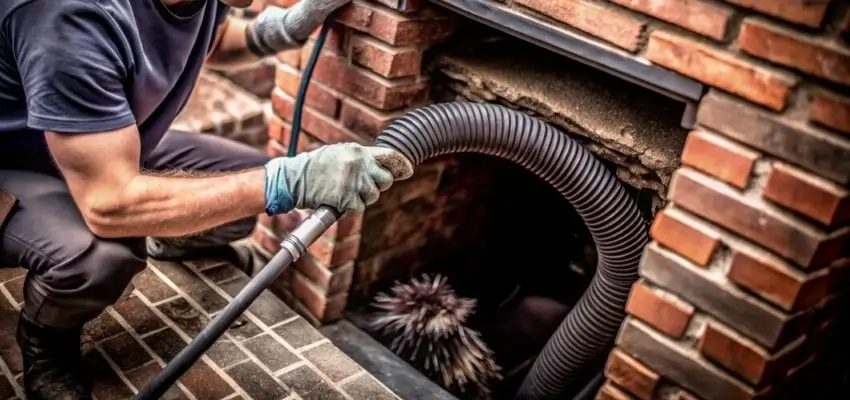
The chimney is the main part of any cleaning we do, and the firebox is only the starting point. Soot settles on every surface the smoke touches, from the damper or stove outlet all the way up to the cap, and the heaviest deposits usually sit just above the fire, where the gases first cool. We brush that entire path, pull the debris down into a contained vacuum, then clear the firebox and the hearth. When a company only scoops ashes and wipes the doors, the part that matters for safety has been skipped, and the next fire runs through the same dirty flue.
Most warning signs trace back to air leaks or heat damage, and those are what we look for first. A stove controls its fire by controlling air. When the door gasket flattens, the glass rope loosens or a seam opens up, extra air sneaks in, the fire runs hotter than intended and parts start to warp. A smoke smell, sooty streaks around the door and a stovepipe that glows or discolors are other clues. We also look for gaps between firebricks, which let heat reach the metal shell behind them. Caught early, these are routine fixes; left alone, they turn into bigger jobs.
Cleaning a wood stove covers the stove itself, the stovepipe that connects it to the chimney and the chimney flue. The technician typically removes the ash, lifts or takes out the baffle near the top of the firebox so the deposits behind it can be cleared, and brushes or removes the stovepipe sections, where creosote often collects at elbows. The chimney is then brushed from the top or bottom while a vacuum contains the dust. Door and glass gaskets get a quick check, and the glass is cleaned. Everything is reassembled with the joints snug before the next fire.
We take care of the smell by removing its source first and then cutting off its path indoors. Cleaning removes most of the odor-producing deposits, including the sticky layer that builds up on the smoke shelf or behind a stove baffle. Then we look at why air is flowing down the chimney: a damper that does not seal, a missing cap letting rain soak the soot, or a house pulling air through exhaust fans. Fixes range from a new damper gasket to a top-sealing damper or a cap. Odor that survives all that sometimes comes from deposits soaked into the masonry, which may call for a deodorizing product applied by the technician.
They share most steps, but a catalytic stove has one extra part that needs gentle handling. Its catalytic combustor, a honeycomb element that burns off smoke, can clog with fly ash and is fragile, so it is cleaned gently, usually with a soft brush or light vacuuming, following the stove maker’s instructions. The technician also checks the bypass damper that routes smoke around it during start-up. Non-catalytic stoves rely on baffles and secondary air tubes instead, which are cleaned and checked for warping. When booking “wood stove cleaning”, mention the type if you know it, so the right brushes and parts come along.
The schedule depends on how much you burn and how cleanly, more than on the calendar. For a household with occasional fires, a yearly visit usually finds a light layer ready to come out. Someone heating with a stove every day may need cleaning before the season ends, especially if the wood is not fully seasoned. Signs between visits help too: black flakes on the hearth, slower starts and darker glass all suggest buildup is growing. Jot down the date of each sweep along with how heavy the deposits were, and after a season or two the right interval becomes clear.
Preparing mostly means letting the fire go out and making room. Stop using the fireplace or stove at least a day ahead so everything is cold when the technician arrives. Clear the mantel, move furniture, rugs and decorations a few feet back from the hearth and take down anything hanging nearby. Make sure there is a clear path from the door, and plan to keep pets and children in another room during the work. If the roof will be accessed, unlock gates and move vehicles away from the side of the house where a ladder will go.
Brisk, well-fed fires instead of long, smoky smolders are what keep a stove in good shape between cleanings. Low, choked burns all night are the main source of the heavy creosote we remove. Owners who watch a stove thermometer and stay in the recommended range, reload onto a good bed of coals and open the air for a few minutes after each reload end up with much lighter sweeps. Small checks help too: listening for a whistle at the door, which signals a gasket leak, and looking over the pipe joints now and then. Those habits will not replace cleaning, but they make each visit easier.
Clean the glass only when the stove is completely cold, using a cleaner made for stove glass or a damp cloth dipped in a little fine wood ash, which works as a gentle polish. Wipe in small circles, then buff with a dry cloth. Avoid abrasive pads, oven cleaners and household glass sprays that are not meant for heat-resistant glass. If the glass blackens quickly after cleaning, the stove is likely running too cool or burning damp wood. Many people who search for “wood stove cleaning” are really after clear glass, and better burning habits keep it that way longer.
When we know what to expect, we can usually plan everything for a single appointment. Share a few details about your home and your wood stove ahead of time. Plan wood stove sweeping with Chimney Sweep Abbotsford and keep the disruption small.
Flue last swept long ago? Chimney Cleaning in Abbotsford
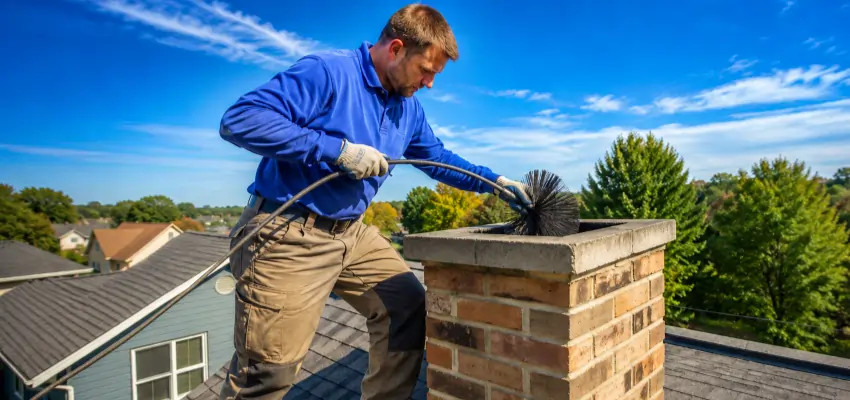
Creosote cleared, flue inspected: Chimney Sweep for Abbotsford
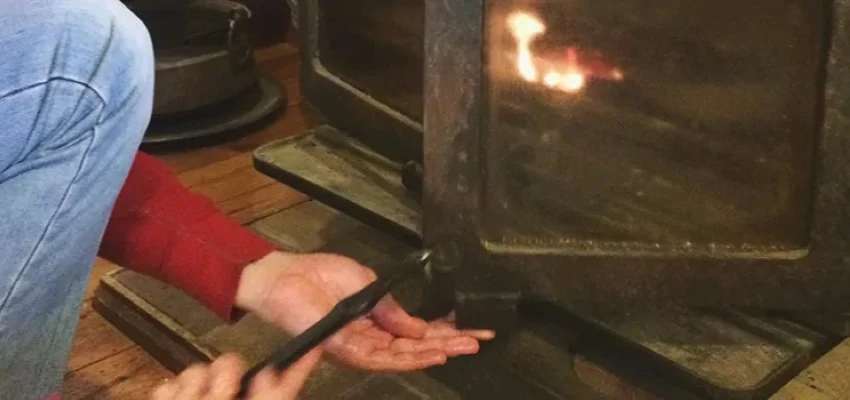
From roof cap to firebox, Chimney Sweep Services in Abbotsford
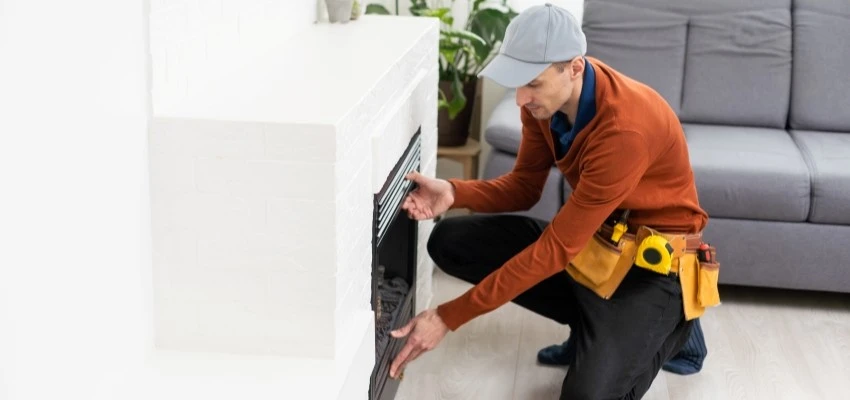
Ready for the season with Fireplace Experts in Abbotsford
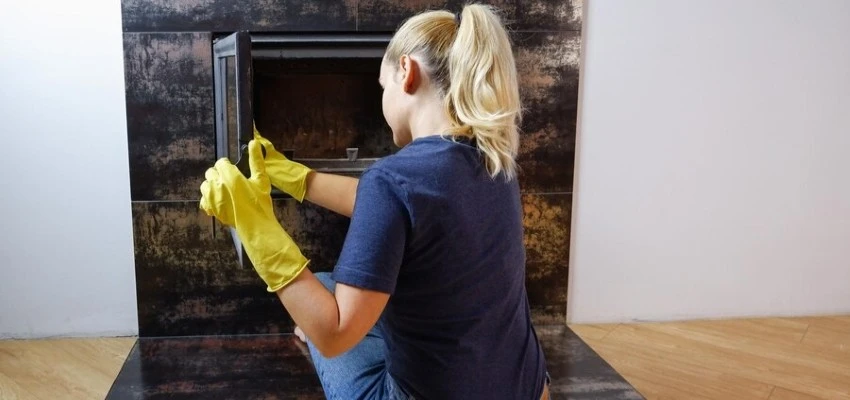
Control area vacuumed during Gas Fireplace Cleaning
Yearly Gas Fireplace Maintenance in Abbotsford, before the cold arrives