Plenty of homes rely on a fireplace or stove that a previous owner installed, often with no manual in the drawer and no record of past service. If that describes your house and you typed “travis industries fireplace” to find help, you have come to a sensible starting point. The answers below explain how technicians identify an older unit, where replacement parts come from and when Travis Industries stove and fireplace service makes more sense than replacing the whole thing, written for homeowners in Abbotsford.
Travis Industries sells its stoves, inserts and fireplaces under several product line names, including Lopi, Avalon and FireplaceX, so the badge on the front may not say Travis at all. That is why people searching for “travis industries fireplace” sometimes cannot find their unit by name. The rating label, usually on the back of a stove or behind the lower panel of a fireplace or insert, lists the manufacturer, the model and the fuel type. With that information, a technician can find the right manual and parts. Chimney Sweep Abbotsford works on these units as an independent service company, not as a representative of the manufacturer.
Only in the details; the principles carry over. A thermocouple on one gas fireplace does the same job as on another, yet the mounting, length and connection can differ, and an electronic ignition board from one generation rarely fits the next. Wood stoves are similar, since baffles, air tubes and door latches vary by model even inside one product line. In practice, the first few minutes of every visit go to confirming exactly what we are looking at. After that, the diagnosis follows a routine any trained technician would recognize, and parts are matched to the model, not to the brand in general.
Smoke coming into the room usually means the stove is not drafting well or is leaking around its seals. Common causes include a door gasket that has flattened, a cracked glass seal, a partly blocked flue or chimney cap, a chimney that is still cold when the fire is lit and wet firewood that smolders instead of burning. Opening the door quickly can also pull smoke out. Open the air control and crack the door slowly before loading. If smoke keeps escaping, stop using the stove, have it and the chimney checked and make sure your carbon monoxide alarms work.
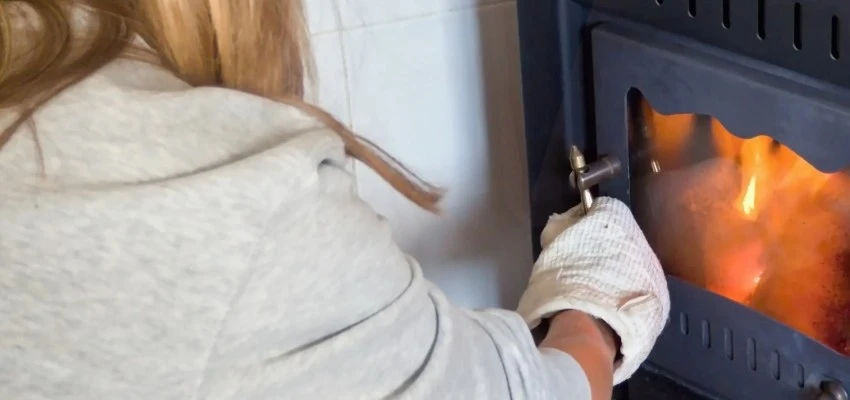
Servicing a wood stove is mostly about restoring a tight, predictable burn. We start with the seals, because a stove that leaks air burns too hot and too fast. Then we lower the baffle where the design allows, which lets us inspect the top of the firebox and the flue collar for creosote and corrosion. Firebricks are swapped if they are cracked through, and loose air tubes are reseated. If the stove uses a catalytic combustor, we check whether it is still doing its job. We finish at the stovepipe or liner and recommend a sweep if the deposits call for one.
Plan on an hour or two for most visits, with exceptions we can usually predict. The unit needs to be cold before we open it, so a fireplace that was running that morning adds waiting time. Diagnosis is quick when the fault happens on demand and slower when it only shows up after the unit has been running a while. Parts are the other variable: if we carry the part, the repair usually happens on the spot; if it has to be ordered, we schedule a return trip and share what we know about delivery.
Look for a rating label, usually a metal plate or heat-resistant sticker fixed near the controls or on the back. On built-in gas units, we often find it hanging on a small chain behind the bottom grille, or riveted to the side of the control compartment. Stoves tend to carry theirs on the rear panel or the underside. That label is the single most useful thing you can share, because it gives the exact model, the fuel type and the listing details we need before ordering parts. A sharp photo taken in good light saves a lot of back-and-forth.
Gather the product line name from the front, the model and serial number from the rating label, the fuel type and roughly when it was installed. Add a photo of the whole unit and one of the label, plus a short description of what it is doing. If the house came with paperwork from the original install, set it aside. This turns a “travis industries fireplace” inquiry into a visit where the technician arrives with the right manual open and the likely parts on hand, which often saves a second trip. Note too whether the unit is an insert, since that affects access.
Burning habits show up in a stove’s parts so clearly that we can usually tell how it has been run before we ask. Warped baffles, cracked bricks and discolored steel point to overfiring, often from loading lots of dry wood with the air control wide open. Heavy black glass and sticky creosote point the other way, to damp wood or fires starved of air. The stoves that age gracefully get steady, moderate fires of well-seasoned wood, regular ash removal and doors that are latched rather than slammed. Following the burn instructions in your manual protects the gaskets, glass and internal parts.
Method, parts and price are the three things to ask a fireplace technician about. Ask how the technician will find the fault and whether testing comes before any part is replaced. Ask how parts are matched to your model, and what happens if the original is discontinued. Ask how the quote is built and whether a second visit costs extra if a part has to be ordered. It is also fair to ask who will come, how long the visit should take and what you will be told at the end. A technician who knows the work will not need long to answer any of it.
Tell us your address in Abbotsford, what you have noticed and when you are usually home. That is all we need to plan Travis Industries stove and fireplace service around your schedule. Send the details and the Chimney Sweep Abbotsford team will reply with options and a price.
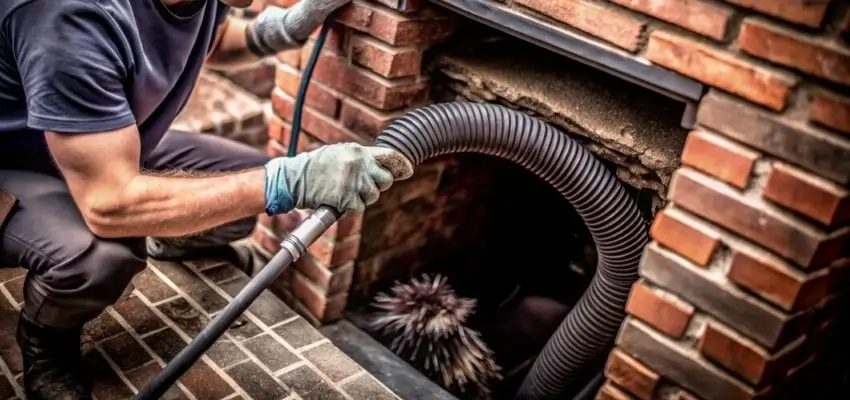
Flue last swept long ago? Chimney Cleaning in Abbotsford

Creosote cleared, flue inspected: Chimney Sweep for Abbotsford
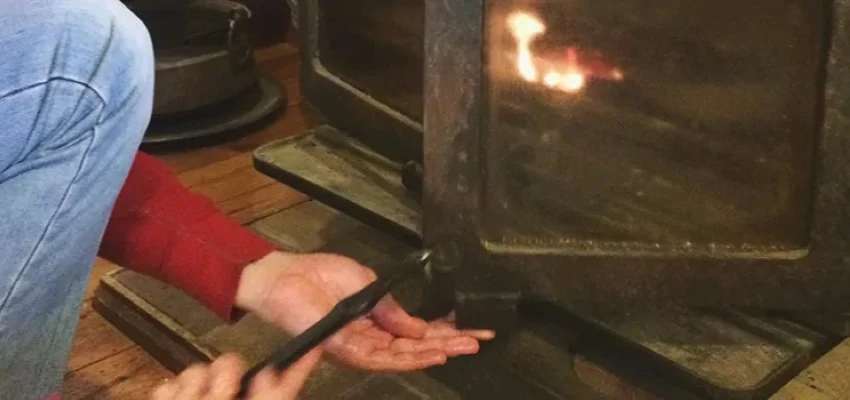
From roof cap to firebox, Chimney Sweep Services in Abbotsford
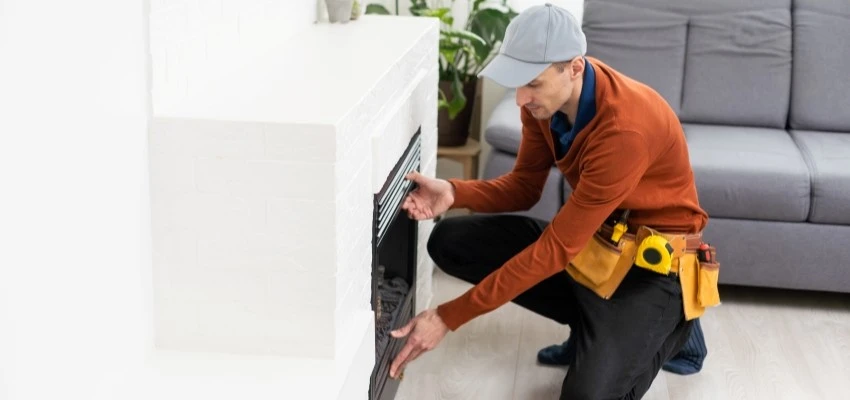
Ready for the season with Fireplace Experts in Abbotsford
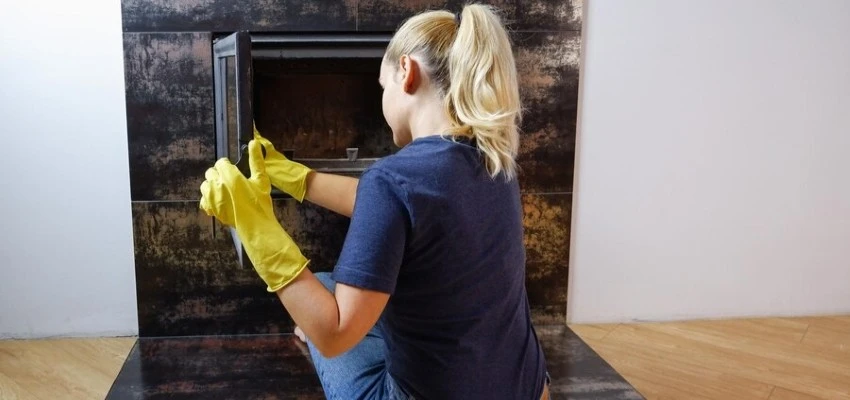
Control area vacuumed during Gas Fireplace Cleaning
Yearly Gas Fireplace Maintenance in Abbotsford, before the cold arrives