A fireplace or stove is often the coziest heat source in a home, and also one of the least understood. Behind the glass and the decorative trim sit valves, sensors, gaskets and baffles that each wear out at their own pace. If “regency fireplace products” is the phrase that brought you here, what follows gives households around Abbotsford a practical overview of Regency fireplace and stove service, from the first warning signs to the questions worth asking before any work begins.
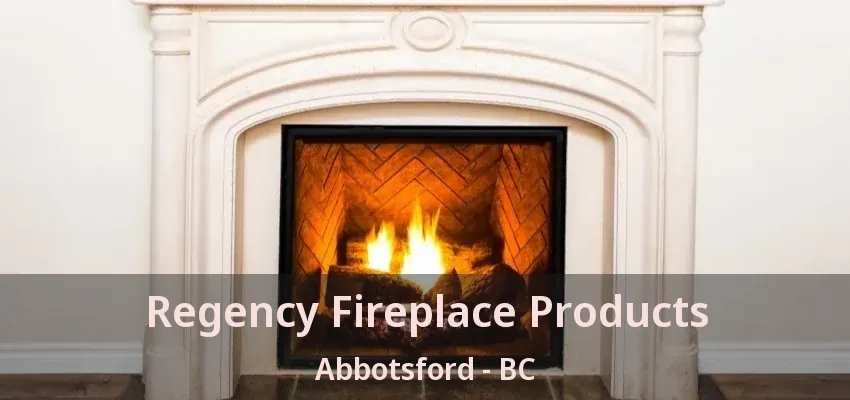
A fireplace insert slides into an existing fireplace, while a freestanding stove stands on its own hearth pad, and that difference mostly affects how easily a technician can reach the parts. Both can burn gas or wood. An insert is framed by a decorative surround and connected to a liner running up the chimney, so some repairs mean easing it partway out of the opening. A stove is open on every side and joins the chimney through a visible pipe, which makes many jobs quicker. Knowing which one you have, and mentioning it when you call, helps the visit go smoothly.
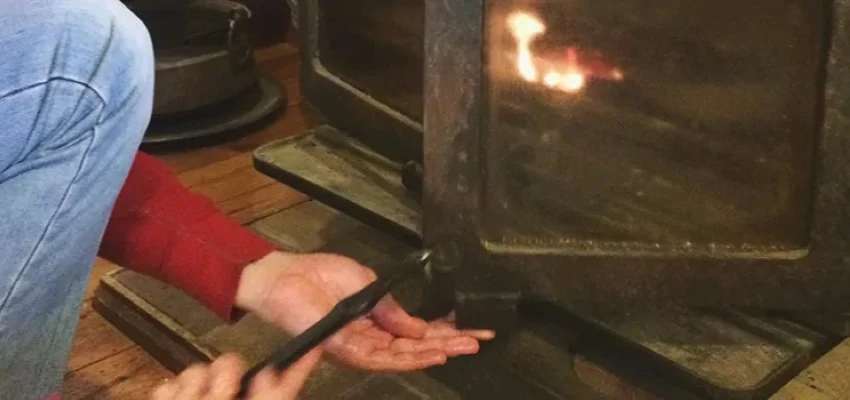
Thumping ignition, grinding fans, electrical burning smells and lingering smoke are the warning signs; ticking metal and a brief new-part smell usually are not. Telling them apart is a big part of our job. A delayed light-off that rolls flame out of the firebox suggests a dirty burner or a weak igniter. A fan that squeals has worn bearings. A sharp, plastic smell can come from wiring touching something hot. On gas units, the smell of gas means leaving the house and calling the gas utility from outside before calling anyone else, us included.
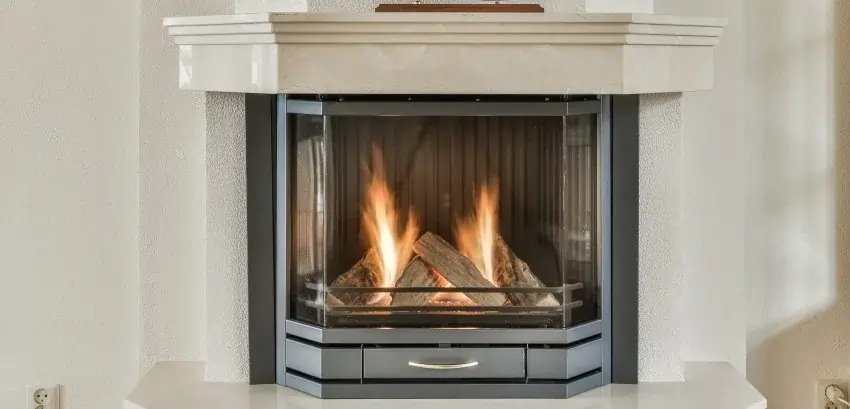
A thorough gas fireplace check covers the parts that keep the flame clean and the exhaust moving outdoors. Typical steps include cleaning the pilot assembly and burner, testing the ignition and flame sensor, checking gas connections for leaks and confirming the flame looks right. On sealed units, the glass is removed, cleaned and its gasket inspected. Logs or decorative media are set back in the layout the manual shows, since misplaced pieces cause soot. Outside, the vent termination should be clear of nests, plants and debris. Ask for a short summary of what was found and anything that needs attention.
Yes, the accessories that come with or are added to a fireplace, such as blowers, remotes, wall thermostats and decorative surrounds, can usually be serviced or replaced on their own. Blower kits wear out from dust and heat, remote systems lose their pairing or batteries, and thermostats can drift. The key is matching the accessory to your exact model, since kits are designed for specific units. When you book Regency fireplace and stove service, list any add-ons your unit has, so the technician can check them along with the main appliance rather than on a separate visit.
Once a year suits most households, and we adjust from there. A gas fireplace that runs every evening through the colder months collects more dust in the burner and more wear on its ignition than one lit a few times a season. A wood stove used as a main heat source may need its flue swept more than once in a winter. We note what we find at each visit, such as how dirty the burner was or how much creosote came out, and suggest the next date from that. Your manual’s recommendation is the baseline; your usage fine-tunes it.

Yes, and we often ask for them. A picture of the label tells us the exact model, so we can check the parts list before setting out. A photo of sooty glass, a lazy yellow flame or a cracked firebrick narrows the problem. Video is even better for ignition faults, since the sequence of clicks, sparks and flames says a lot about which part is failing. Pictures also help with quoting, because we can see how the unit is built in and how much access we will have. We still confirm everything in person before recommending a repair.
Make sure the rating label is still attached and readable, because without it the model, the approved venting and the right parts are hard to confirm. Then inspect the unit itself for cracks in the firebox or glass, a warped baffle, crumbling firebricks, missing air tubes or a door that no longer shuts tight. A gas unit should come with its burner, logs or media and controls complete. Ask whether the manual is included and whether parts are still listed for that model. If you found the unit while looking up “regency fireplace products”, plan for the installation too: it has to follow the manual, and a gas hookup is work for a qualified gas technician.
Ask these before anyone arrives:
Mention anything that worries you, such as a noise, a weak flame or soot on the glass, so the technician arrives prepared. Straight answers here usually mean a straightforward visit.
A local technician is often the practical choice because fireplace repairs frequently need more than one trip. When a part has to be ordered, a company based nearby can return soon after it arrives, and follow-up questions are easier to handle. Local technicians also know the housing in the area, from the factory-built fireplaces common in newer subdivisions to older homes with converted masonry fireplaces. Before booking, confirm the company serves your address directly, ask about arrival windows and check how quickly a return visit for parts is usually scheduled.
After the visit you get a short summary of what we found, what we did and anything worth planning for later. It makes future decisions about your fireplace much easier. Book with Chimney Sweep Abbotsford and keep it on file.
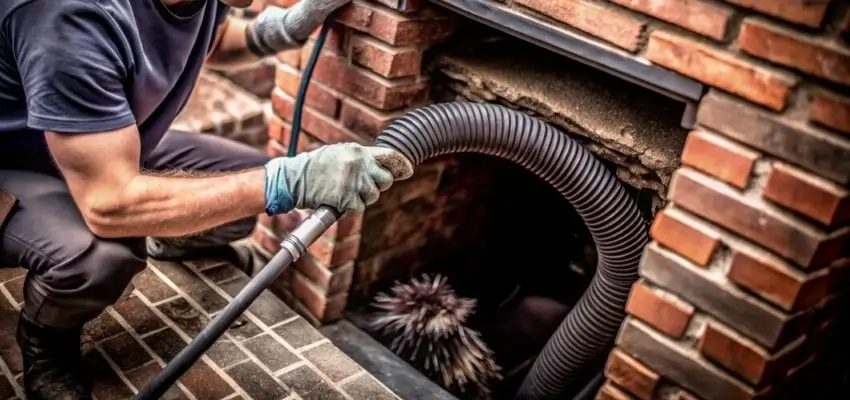
Flue last swept long ago? Chimney Cleaning in Abbotsford

Creosote cleared, flue inspected: Chimney Sweep for Abbotsford
From roof cap to firebox, Chimney Sweep Services in Abbotsford
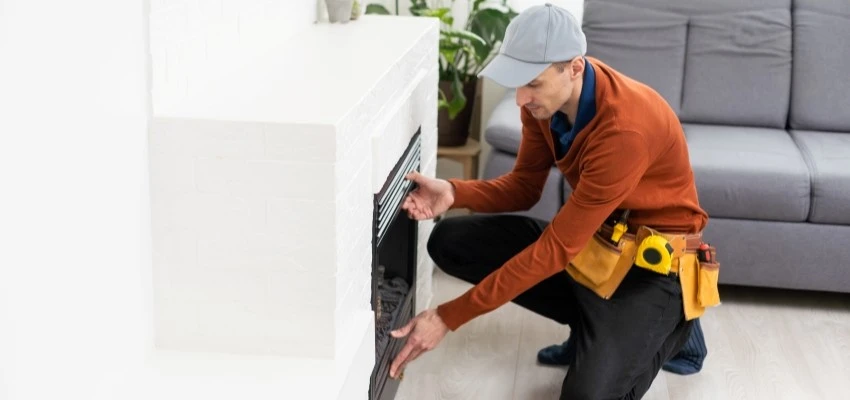
Ready for the season with Fireplace Experts in Abbotsford
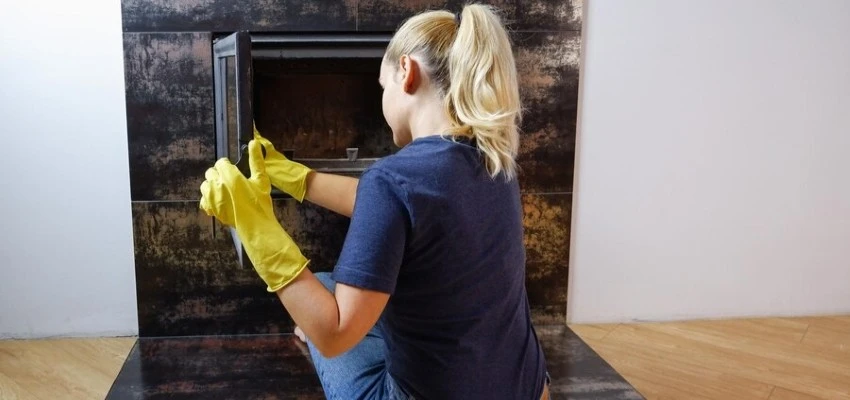
Control area vacuumed during Gas Fireplace Cleaning
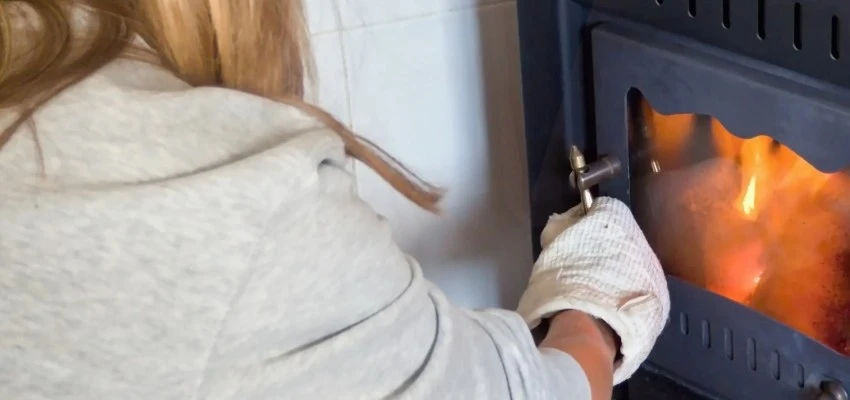
Yearly Gas Fireplace Maintenance in Abbotsford, before the cold arrives