When homeowners in Abbotsford search for “quadra-fire fireplace”, they usually want three things answered: what is wrong, whether it can be fixed and what the work will involve. The answers below take those questions one at a time, for gas fireplaces, inserts and wood-burning stoves, without a sales pitch. Read the parts that match your unit and you will go into any conversation about Quadra-Fire stove and fireplace service knowing which details matter and which ones do not.

Pellet stoves need more frequent cleaning than most owners expect, because ash collects in the burn pot, the heat exchanger and the exhaust path every time they run. Quadra-Fire is one of the brands that offers pellet models alongside wood and gas units, so if your “quadra-fire fireplace” search is about a pellet stove, mention it when you book. Typical service includes cleaning the burn pot and exhaust passages, checking the igniter, auger and combustion blower and inspecting door gaskets. Routine burn-pot and ash cleaning between visits follows your manual. Pellet stoves also depend on household power, so an outage stops them.
Usually, yes, provided the structure is healthy. When we assess an older unit, we look past the symptom to the shell: is the firebox intact, is the glass frame straight, are the vent connections solid? If those check out, repairing it is normally the sensible route. The picture changes when a gas control has been discontinued with no approved substitute, when steel has corroded from condensation, or when a stove has been overfired until its plates warped. In those cases we compare what it would take to keep it running with the option of replacing it, and the decision stays with you.
Film on fireplace glass usually tells you something about how the fire is burning. On gas units, a white haze is common and builds up from minerals and byproducts in the combustion gases; it can be cleaned with a product made for fireplace glass, since ordinary cleaners may etch it, ideally during a service visit on sealed units. Black soot on gas glass is different and suggests the flame is not burning cleanly, often because of misplaced logs, dirt in the burner or a venting issue. On wood stoves, brown or black staining usually comes from smoldering fires or damp wood.
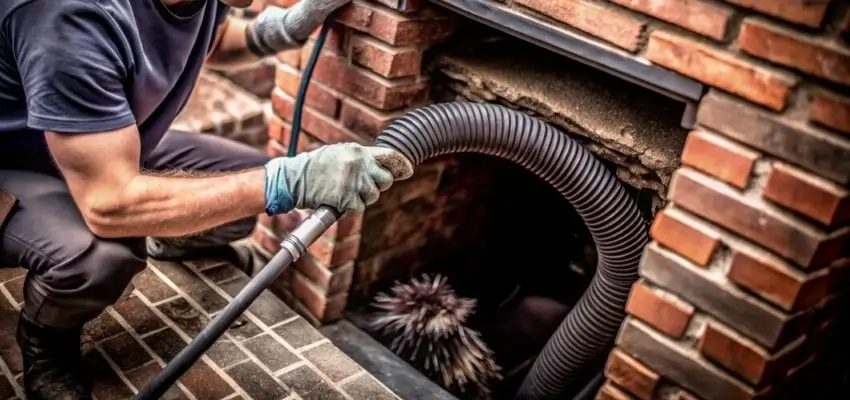
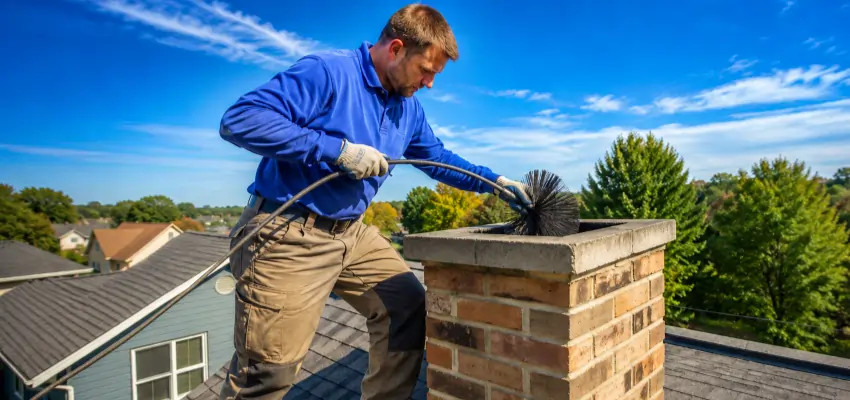
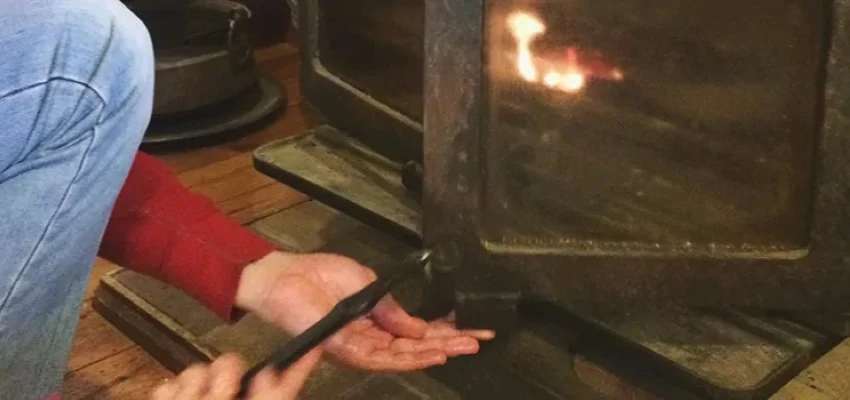
A wood stove tune-up focuses on the seals, the parts inside the firebox and the connection to the chimney. The technician checks that the door and glass gaskets still seal, inspects firebricks for cracks, looks at the baffle and any secondary air tubes for warping and tests the air control and door latch. On stoves with a catalytic combustor, its condition is checked too. The flue connection and the chimney itself should be inspected and swept as needed, since creosote buildup affects both safety and draft. Many owners book this before the heating season begins.
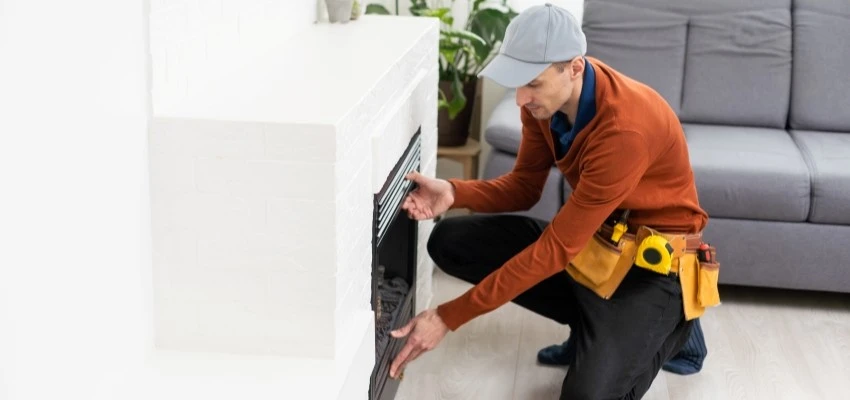
Our gas fireplace checklist starts with safety and ends with appearance. First come the gas connections, tested for leaks, and the venting, inspected inside and at the outside cap. Then the ignition: pilot or spark, sensor output and how quickly the main burner lights. We clean dust and lint from the burner ports and the control area, since blockages cause lazy flames and soot. Logs, rocks or glass media go back exactly as the manufacturer drew them. Finally, we run the unit long enough to watch a steady flame and confirm the blower and controls respond.

A common guideline is to have a fireplace or stove serviced once a year, ideally before the heating season. Gas units benefit from a yearly look at the burner, ignition, glass and venting, and many owner’s manuals suggest that interval. Wood stoves and inserts need their chimney or liner inspected yearly and swept as often as buildup requires, which depends on how much you burn and how dry your wood is. Heavy use, a unit that sat idle for a long time or any change in how it behaves are good reasons to book sooner rather than stretch the interval.
Yes, photos often help a technician prepare and bring the right parts. The most useful ones show the rating label, the whole unit from the front, the control area behind the lower grille if it is easy to see, and the flame or fire while it is running. A short video of what happens when you try to start it can reveal a lot. For wood stoves, include the door gasket, the glass and the stovepipe. Do not remove panels or touch gas parts to get a shot. Photos cannot replace a hands-on check, but they can shorten it.
It should work the way it did when it was healthy, and we check that before leaving. We run the fireplace through a full start, watch the flame pattern and confirm the controls respond, or for a stove, make sure new gaskets seat properly when the door latches. Fresh paint, adhesives and new gaskets can give off a smell for the first few burns; that is expected and fades quickly with some ventilation. What is not expected is the same fault coming back. If it does, let us know, because an intermittent problem sometimes has a second cause hiding behind the first.
Any technician experienced with the type of unit you own, whether it burns wood, gas or pellets, can work on it by following the manufacturer’s instructions for that model. Chimney Sweep Abbotsford is an independent service company with no affiliation to the brand; we identify your unit from its label and use the parts its manual lists. When you compare companies after a “quadra-fire fireplace” search, ask which fuel types they service, since pellet and gas work call for different skills from wood stove work. A clear answer and a willingness to look up your model are good signs.

Older homes often hide earlier repairs, odd layouts and materials that need a careful approach. Our technicians take the time to see how earlier work on your stove was done before recommending anything. Call (778) 909-5649 to talk about your home.
Flue last swept long ago? Chimney Cleaning in Abbotsford
Creosote cleared, flue inspected: Chimney Sweep for Abbotsford
From roof cap to firebox, Chimney Sweep Services in Abbotsford
Ready for the season with Fireplace Experts in Abbotsford
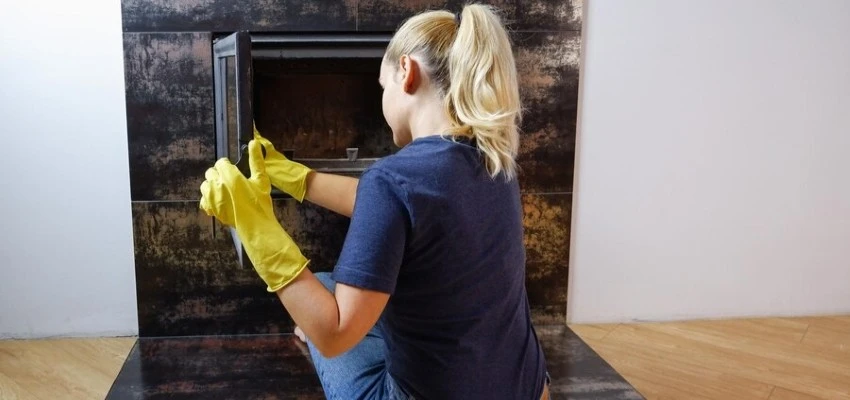
Control area vacuumed during Gas Fireplace Cleaning
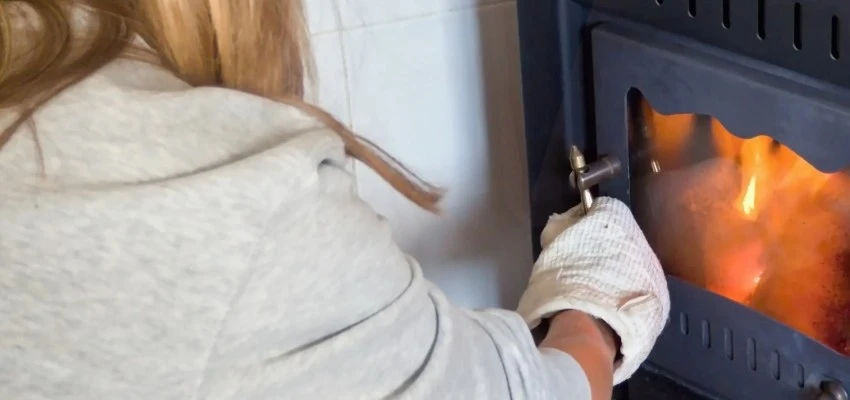
Yearly Gas Fireplace Maintenance in Abbotsford, before the cold arrives