Most chimney visits are about sweeping, but some homes need something more specific: a flue that no longer suits the fireplace, a pot that has worked loose, a new factory-built chimney or brickwork that soaks up every storm. If you searched for “prefab chimney installation”, the answers below cover factory-built chimney installation for homeowners in Abbotsford in plain terms, including what the job involves, how long it takes and what to ask before anyone starts.

Usually when a new fireplace or wood stove is being added where there is no chimney, or when an existing prefab chimney has worn out, been damaged or no longer matches the appliance. Common signs of a worn system include rust, separated pipe sections, a damaged cap or chase cover and warped parts after a chimney fire. Factory-built chimneys are also used on additions and basements where a masonry chimney would be impractical. If you are researching “prefab chimney installation”, start by confirming exactly which fireplace or stove the chimney will serve, since that decides which system can be used.
A prefab chimney, also called a factory-built chimney, is a manufactured system of insulated metal pipe sections, supports, firestops and a top termination, designed to vent a fireplace or stove made to work with it. Instead of brick and mortar, it relies on layers of metal and insulation to keep heat away from the surrounding framing. It is often enclosed in a framed chase finished to match the house. Prefab chimneys are lighter and quicker to install, and they are common in newer homes and additions, but they must be used only with compatible parts and appliances.
An inspection should come first because it shows whether the planned work is the right work. A technician looks at the chimney from top to bottom, often with a camera inside the flue, and checks for hidden cracks, blockages, water damage and any mismatch between the flue and the appliance. Sometimes the inspection confirms the plan; sometimes it reveals that a leak comes from somewhere else or that a liner needs attention before anything cosmetic is done. Ask for photos or video and a short written summary so you can compare options with confidence.
A prefab chimney is installed by building a continuous, compatible path from the fireplace or stove to above the roof. The installer confirms the appliance and the chimney system it is listed with, plans the route, cuts openings in ceilings and the roof, and fits firestops, supports and pipe sections with the required clearance to wood. Where the chimney leaves the house, it gets flashing, a storm collar and the matching cap, and it may be enclosed in a framed chase. Many installations take one to two days, longer when a chase must be framed and finished.
A careful crew protects your home by covering the hearth and nearby floor, sealing the fireplace opening when soot or dust could escape and using vacuums with fine filters for any debris. Outside, tarps go over shrubs, decks and roof sections where tools or materials sit, and ladders are padded where they touch gutters or siding. Some jobs create very little mess, while others, such as removing old flue tiles, produce more. Ask what protection is planned for your job, and move valuables and furniture away from the fireplace before the crew arrives.

Some chimney work can be done in almost any weather, but masonry, crown work and water repellents need mild, dry conditions. Mortar and concrete should not freeze while they cure, and coatings need dry brick to soak in properly, so those jobs are usually planned for spring through fall. Liner installation, pot fitting and some interior work are less sensitive, though roof access still depends on ice, wind and rain. Booking ahead of the cooler months gives the widest choice of dates. If the forecast turns, a careful company will reschedule rather than rush.
The cost of chimney work depends on the scope, the materials, the height and pitch of the roof and the condition of what is already there. A short chimney on a gentle roof is simpler to reach than a tall one on a steep or three-story house. Materials range widely, from a repellent or standard pot to custom stainless parts, insulated liners or factory-built chimney kits. Hidden problems found once work begins, such as cracked tiles or rotted framing, add to the total. A written quote that lists each item lets you compare offers on equal terms.
Plan the route and the finish together. Decide where the fireplace or stove will sit, then check what lies above it, such as joists, wiring, plumbing or ducts, because the chimney needs a clear path with the required space to combustible materials. Think about how it will look outside: a metal pipe with a cap, or a framed chase finished to match the siding. Ask whether a permit or inspection is required where you live. Sharing photos of the room and roof when you request quotes for “prefab chimney installation” helps the installer plan accurately.
Mostly no, and the reason is risk rather than complexity. Roof work at height, heavy pots, flue liners and anything involving venting or gas can hurt people or the house if done wrong. What we encourage is observation: photos of the chimney top after storms, a note of when the fireplace started smoking, a look at the firebox for fallen debris. Those notes make our visits faster and more accurate. Store-bought sealers are a common DIY mistake, since the wrong product can trap moisture and damage brick. Leave products and climbing to us, and keep your carbon monoxide alarms tested.

Simple routines at home go a long way, and a periodic visit catches what you cannot see. Together they keep your chimney in steady shape year after year. Call (778) 909-5649 to plan the next check with Chimney Sweep Abbotsford.
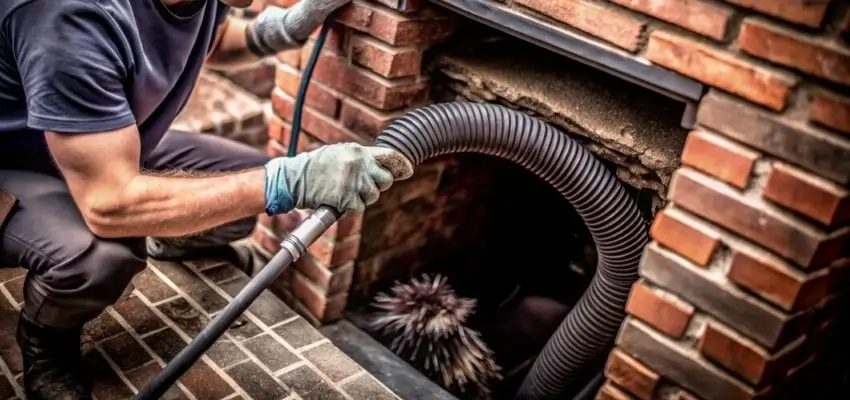
Flue last swept long ago? Chimney Cleaning in Abbotsford
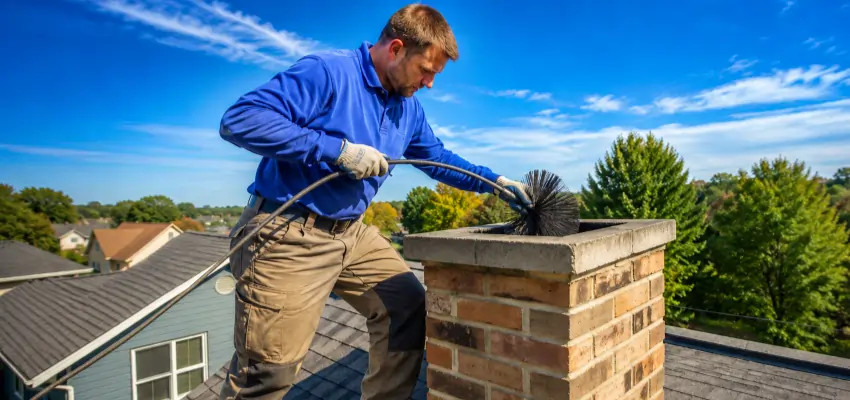
Creosote cleared, flue inspected: Chimney Sweep for Abbotsford
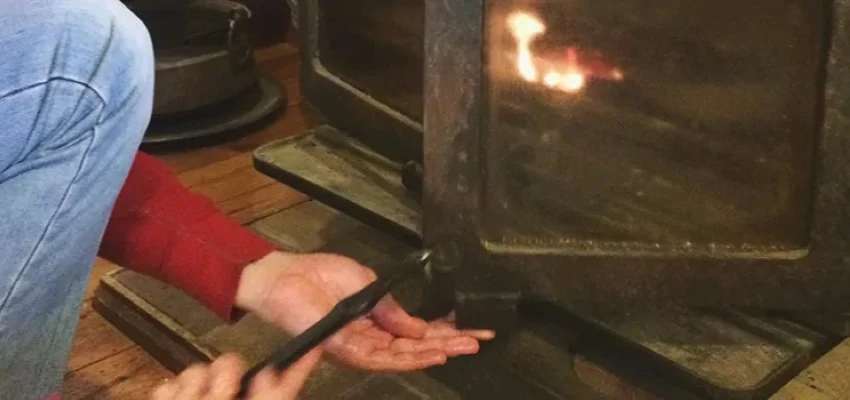
From roof cap to firebox, Chimney Sweep Services in Abbotsford
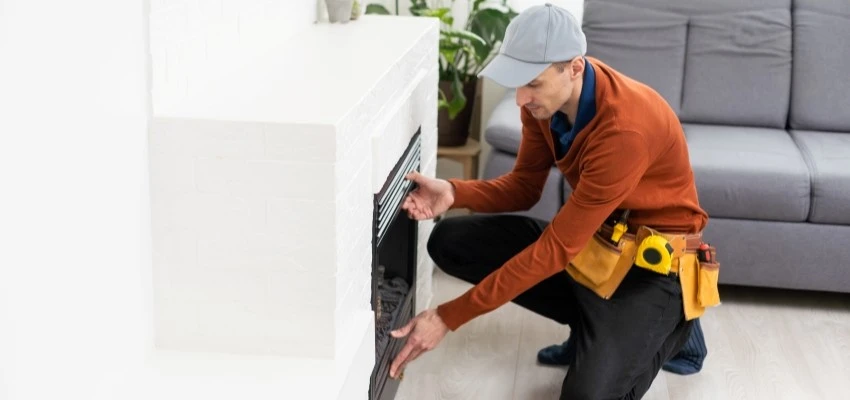
Ready for the season with Fireplace Experts in Abbotsford
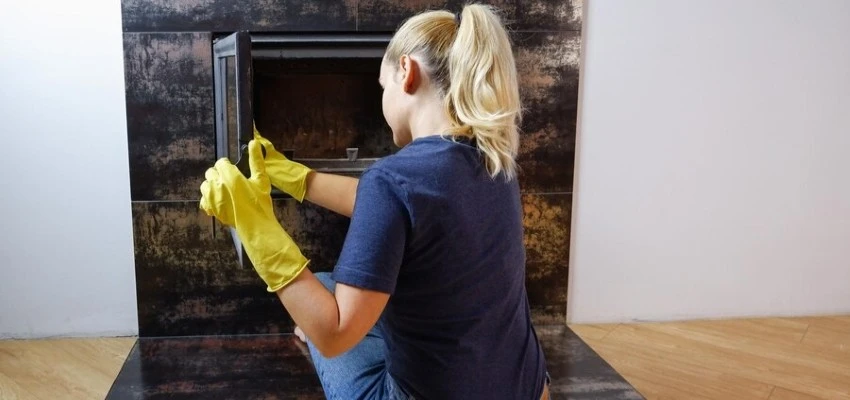
Control area vacuumed during Gas Fireplace Cleaning
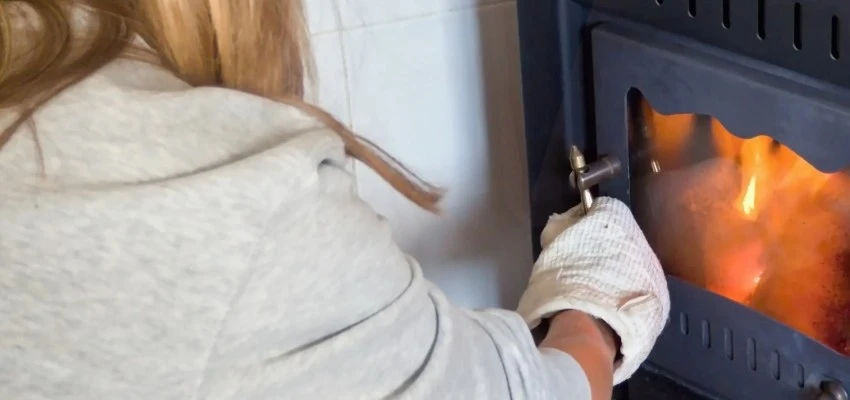
Yearly Gas Fireplace Maintenance in Abbotsford, before the cold arrives