Fireplaces and stoves tend to show their faults when they go back to work after a long rest: a pilot that will not catch, glass that clouds over or, on a wood unit, smoke that puffs out when the door opens. If that sent you looking for “pacific energy fireplace repair”, you are in good company, and most of these problems have ordinary explanations. Below, households in Abbotsford will find practical answers about Pacific Energy stove and insert repair: what tends to wear out, what a technician checks and what you can safely look at yourself.

Not fundamentally. The stoves and inserts behind a search for “pacific energy fireplace repair” are built around the same clean-burning principles as many others: a sealed door, a baffle above the fire and secondary air that burns off the smoke. What differs from model to model is the shape of the baffle, how the air tubes are fixed and which gaskets and firebricks fit. A technician reads the rating label and works from the manual for that exact stove. Chimney Sweep Abbotsford is an independent service company, so our job is to follow those instructions carefully rather than represent the manufacturer.
Often, yes, especially when the body of the unit is sound and parts are still available. Worn gaskets, a tired thermocouple, a cracked firebrick or a noisy blower are routine repairs that can give an older fireplace many more seasons. Replacement deserves a conversation when the firebox is rusted through or cracked, when key parts such as the gas valve or ignition system are no longer made, or when the unit has been damaged by water or overheating. Ask the technician to explain both paths in plain terms, including how long each is likely to last, before you decide.
The repairs we make most often follow the way each unit is used. Gas fireplaces that cycle on and off all winter wear out their ignition parts: thermocouples and thermopiles weaken, spark electrodes corrode and control modules eventually give up. Blower motors collect dust and start to rattle. Wood stoves take more physical punishment, so we replace door gaskets, firebricks and baffle boards that have cracked or sagged from heat. Glass gets attention on both types. None of this points to a bad brand; it is ordinary wear on equipment that works hard for months at a time.
A rattling, humming or squealing blower on a wood insert usually means dust and ash have built up on the fan wheel, a bearing is wearing out or the blower housing has worked loose. Many insert blowers sit under or behind the firebox and pull room air across hot steel, so they collect fine ash and pet hair over a season. A technician can often clean the wheel and secure the housing; a motor with failing bearings is replaced. Mention the sound, when it started and whether it changes with fan speed when you book Pacific Energy stove and insert repair. Never reach into the blower area while the stove is hot or plugged in.
Usually, yes, at least for the parts that wear out most. Thermocouples, igniters, gaskets, glass, firebricks and blowers are widely available, either as the original part or as a replacement the manufacturer lists as suitable for that model. Harder cases involve control boards, valves and decorative pieces from designs that were dropped long ago. When a part is discontinued, a technician looks for an approved substitute before considering anything else, and gas components in particular should never be swapped for something the manual does not allow. If no safe option exists, that is the moment to talk about replacing the unit.
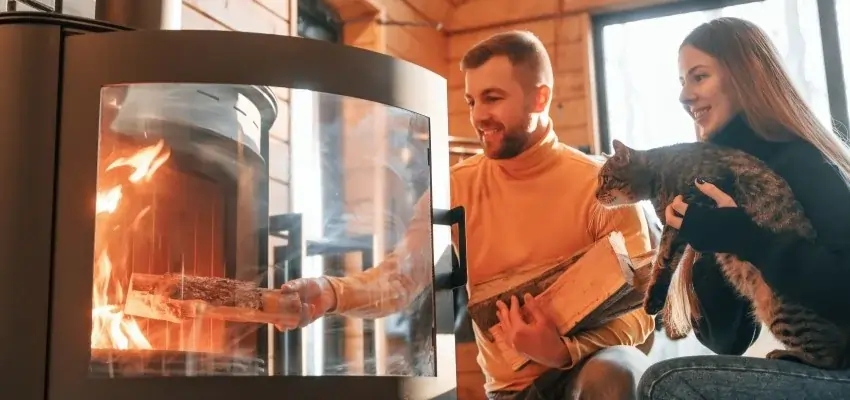
A repair visit usually follows a clear sequence, starting with diagnosis. The technician asks what you have noticed, reads the model and serial label and makes sure the unit is cool and safe to open. On a gas fireplace, that means watching the ignition sequence, inspecting the pilot, burner and venting and checking connections for leaks. On a wood unit, it means looking at seals, baffles, firebricks and the flue connection. Once the cause is found, you should hear what failed, what the fix involves and whether a part has to be ordered. Simple repairs are often finished the same visit.
Many fireplace repairs are finished in a single visit of an hour or two, especially when the problem is a common wear part the technician carries. Longer visits happen when the fault is intermittent, when an insert has to be pulled forward or when several issues turn up together. If the needed part is not in stock, expect a diagnosis visit followed by a second appointment once it arrives, which can take days or weeks for older or less common models. Ask for a realistic timeline before work starts, especially if you rely on the fireplace for heat.
The most helpful thing is a cold, clear fireplace. We cannot safely open a unit that is still hot, so a gas fireplace switched off a few hours early and a stove left unlit since the day before save real time. We also need room to lay down drop cloths and set out tools, which means moving furniture, mantel décor and anything on the hearth. Outside, a clear route to the vent cap helps. If your fireplace has a wall switch, remote or thermostat, keep it handy. Pets tend to be happier in another room while panels come off.
Burning habits show up in a stove’s parts so clearly that we can usually tell how it has been run before we ask. Warped baffles, cracked bricks and discolored steel point to overfiring, often from loading lots of dry wood with the air control wide open. Heavy black glass and sticky creosote point the other way, to damp wood or fires starved of air. The stoves that age gracefully get steady, moderate fires of well-seasoned wood, regular ash removal and doors that are latched rather than slammed. Following the burn instructions in your manual protects the gaskets, glass and internal parts.
We work with people who live in their homes and with people who look after rental units around Abbotsford. Either way, you get a clear explanation of the work and what we found. Request a quote for one home or several and we will plan the visits with you.
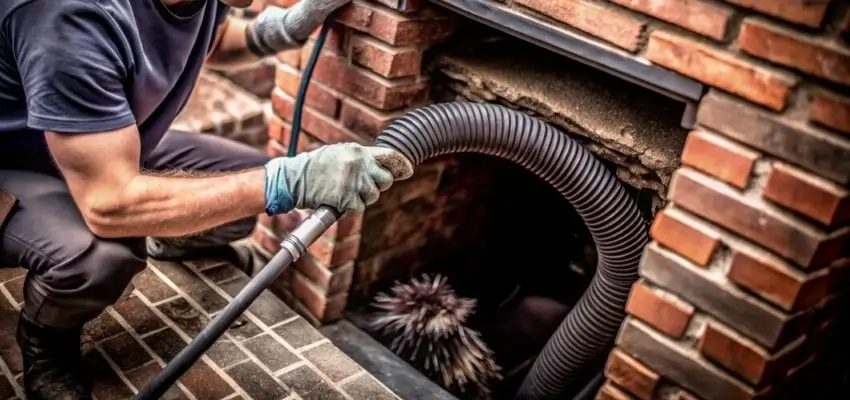
Flue last swept long ago? Chimney Cleaning in Abbotsford
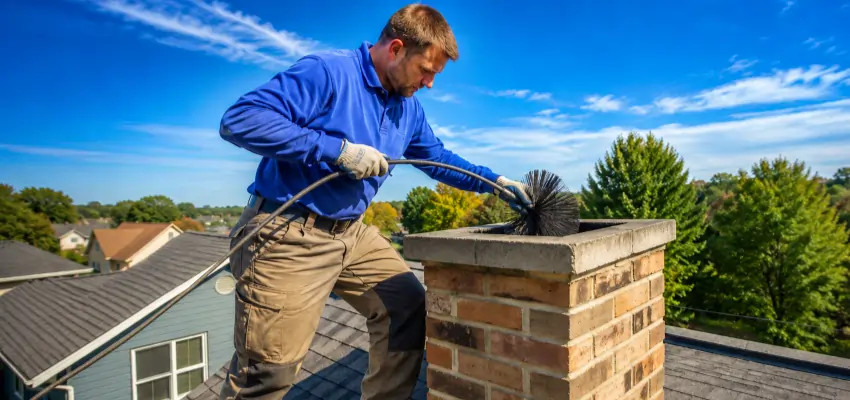
Creosote cleared, flue inspected: Chimney Sweep for Abbotsford
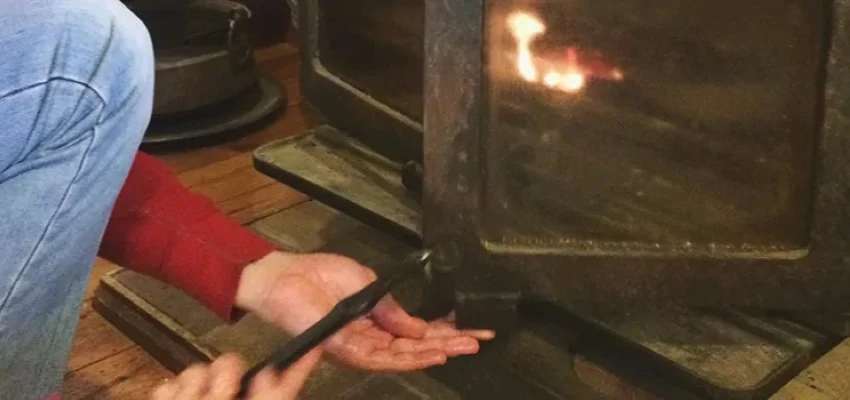
From roof cap to firebox, Chimney Sweep Services in Abbotsford
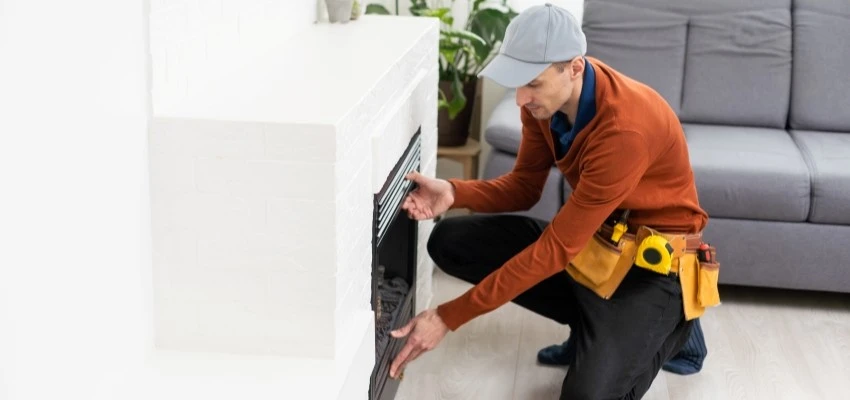
Ready for the season with Fireplace Experts in Abbotsford
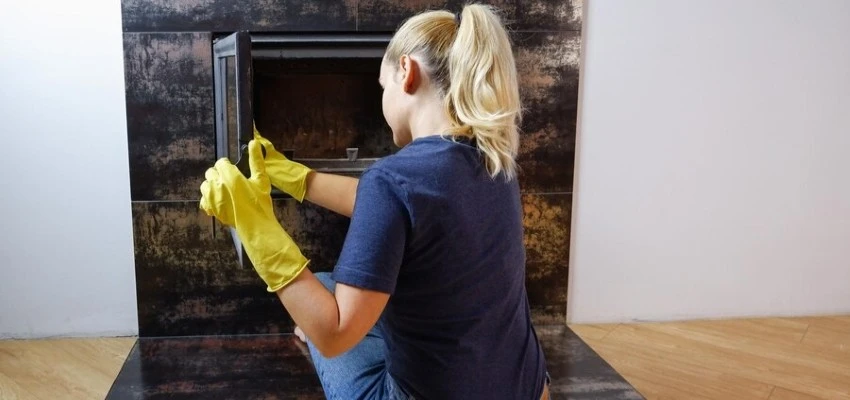
Control area vacuumed during Gas Fireplace Cleaning
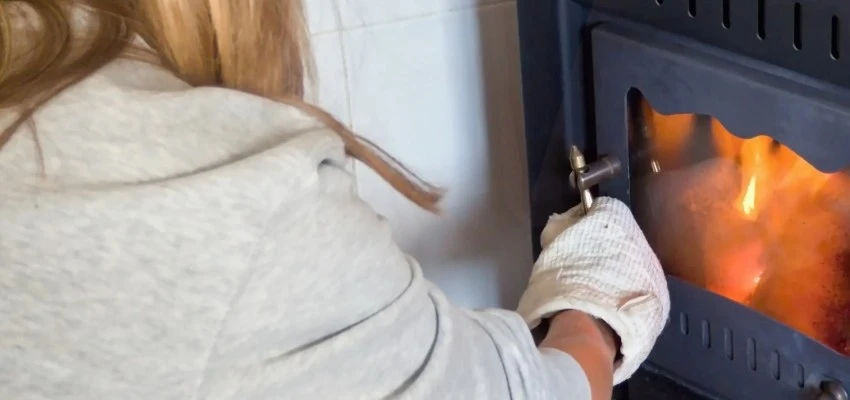
Yearly Gas Fireplace Maintenance in Abbotsford, before the cold arrives