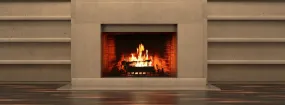
Bought a house with a fireplace you have never lit? Inherited a stove with a name you do not recognize? Searching for “monessen hearth fireplace” is a reasonable first move, and this guide picks up from there. It walks through the everyday questions about Monessen fireplace service that homeowners in Abbotsford bring to our technicians, including how often a unit should be looked at, how long repairs take and what to have on hand when you call.

A thorough gas fireplace check covers the parts that keep the flame clean and the exhaust moving outdoors. Typical steps include cleaning the pilot assembly and burner, testing the ignition and flame sensor, checking gas connections for leaks and confirming the flame looks right. On sealed units, the glass is removed, cleaned and its gasket inspected. Logs or decorative media are set back in the layout the manual shows, since misplaced pieces cause soot. Outside, the vent termination should be clear of nests, plants and debris. Ask for a short summary of what was found and anything that needs attention.
A gas log service focuses on the burner, the pilot and the way the logs sit. The technician lifts the logs out, cleans the burner and pilot area, checks the ignition and tests the gas connection for leaks, then rebuilds the logs exactly as the diagram for that set shows, since a log moved even slightly can cause soot. In a vented masonry fireplace, the damper position is checked too, because vented logs need the flue open. If you looked up “monessen hearth fireplace” for a log set rather than a full fireplace, say so when booking. Chimney Sweep Abbotsford services these sets as an independent company.
A common guideline is to have a fireplace or stove serviced once a year, ideally before the heating season. Gas units benefit from a yearly look at the burner, ignition, glass and venting, and many owner’s manuals suggest that interval. Wood stoves and inserts need their chimney or liner inspected yearly and swept as often as buildup requires, which depends on how much you burn and how dry your wood is. Heavy use, a unit that sat idle for a long time or any change in how it behaves are good reasons to book sooner rather than stretch the interval.
Prepare by letting the unit cool completely and clearing the space around it. Turn a gas fireplace off several hours before the appointment, and do not light a wood stove that day so the firebox is cold. Remove decorations, screens, rugs and anything stored on the hearth or mantel, and leave a clear path from the door. If the vent ends outside, make sure the technician can reach it. Have the manual and any past service paperwork ready, keep pets in another room and plan to be home to describe the problem and hear what was found.
Specific symptoms help most, along with the label information and the age of the unit if you know it. “It will not turn on” could mean no spark, a pilot that lights and drops out or a burner that never follows; each points somewhere different. Tell us whether the fireplace runs on a remote, a wall switch or a thermostat, whether it has power to it and when it was last serviced. For wood stoves, mention how the fire behaves and what wood you burn. Short videos of the startup are surprisingly useful, since they let us hear and see the sequence.

Where vent-free units are allowed, keep them clean, give them air and never ignore their warnings. Vent-free units release their combustion products into the room, so the manual sets limits on room size and running time and may call for some fresh air during long use. Dust and pet hair on the logs or burner can change the flame, so a yearly service that cleans the burner and checks the oxygen depletion sensor is sensible. Working carbon monoxide alarms are a must. If the unit shuts itself off repeatedly, or the room feels stuffy or smells stale, stop using it and have it checked.
Method, parts and price are the three things to ask a fireplace technician about. Ask how the technician will find the fault and whether testing comes before any part is replaced. Ask how parts are matched to your model, and what happens if the original is discontinued. Ask how the quote is built and whether a second visit costs extra if a part has to be ordered. It is also fair to ask who will come, how long the visit should take and what you will be told at the end. A technician who knows the work will not need long to answer any of it.
The biggest advantage shows up on the second visit. Plenty of fireplace jobs go diagnose, order, return, and a crew that works close by fits that return trip in without much delay. Working one area also means we see the same builders’ choices again and again: the same models in a subdivision, similar venting routes and the same weak spots. That familiarity speeds up diagnosis. It also means you are dealing with people you can reach directly if the fireplace acts up after the repair, rather than a booking line that passes the job along.
Listen to how they handle the first phone call. A company that knows fireplaces will want the label details, will ask whether the unit is a built-in, an insert or a stove and will describe how it diagnoses before it quotes. On the visit, the technician should test before replacing parts, follow the manufacturer’s instructions and show you the worn component when it comes out. Honest companies are also clear about what they are: an independent service business is a perfectly good choice, as long as nobody suggests a connection to the manufacturer that does not exist.
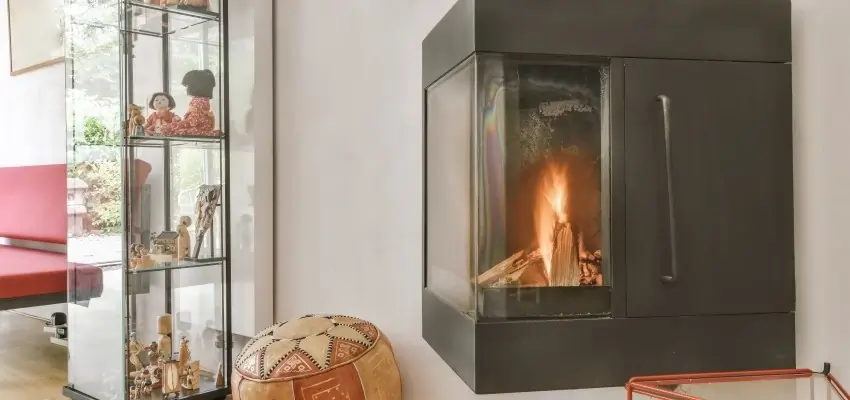
From townhouses to detached homes, we see a wide range of setups around Abbotsford and plan each visit around the home in front of us. If it is time to have your fireplace looked at, get in touch with Chimney Sweep Abbotsford and we will arrange a time that suits you.
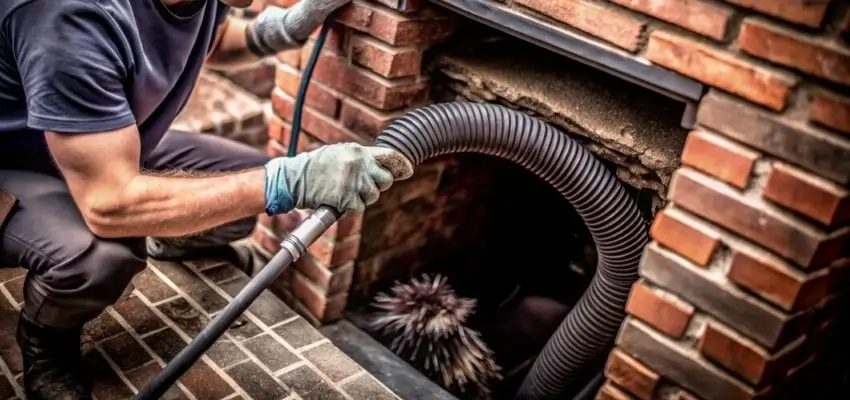
Flue last swept long ago? Chimney Cleaning in Abbotsford

Creosote cleared, flue inspected: Chimney Sweep for Abbotsford
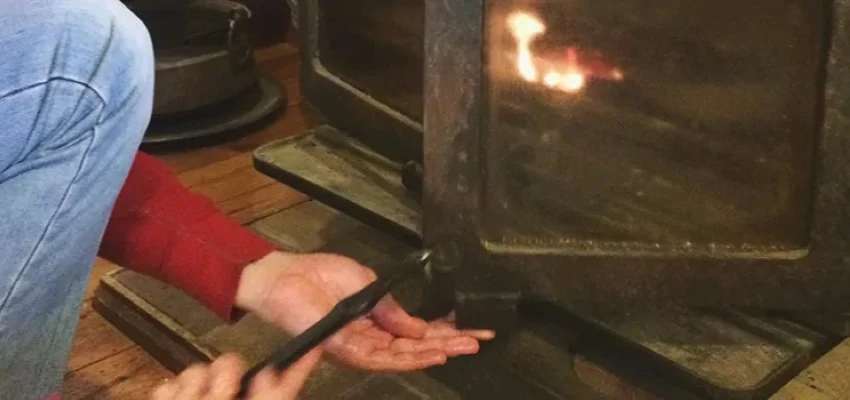
From roof cap to firebox, Chimney Sweep Services in Abbotsford
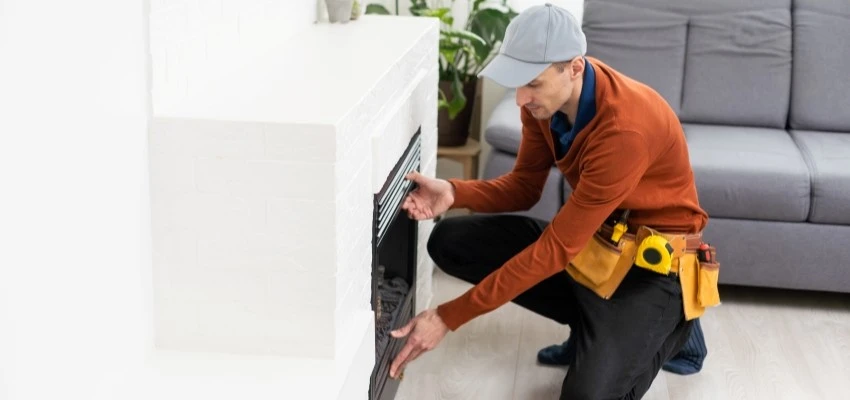
Ready for the season with Fireplace Experts in Abbotsford
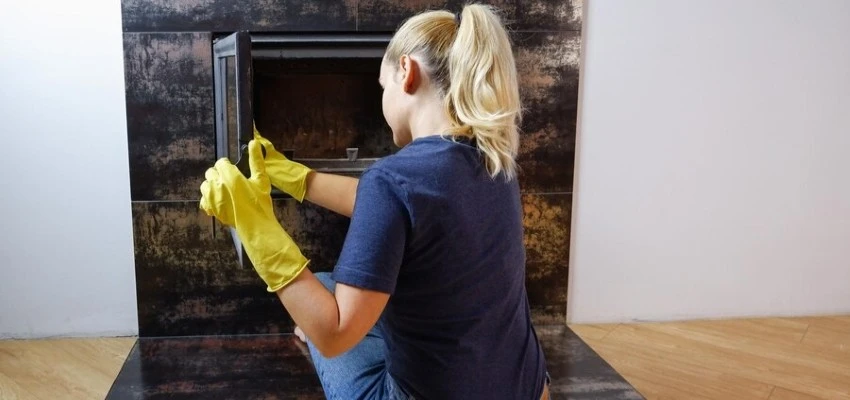
Control area vacuumed during Gas Fireplace Cleaning
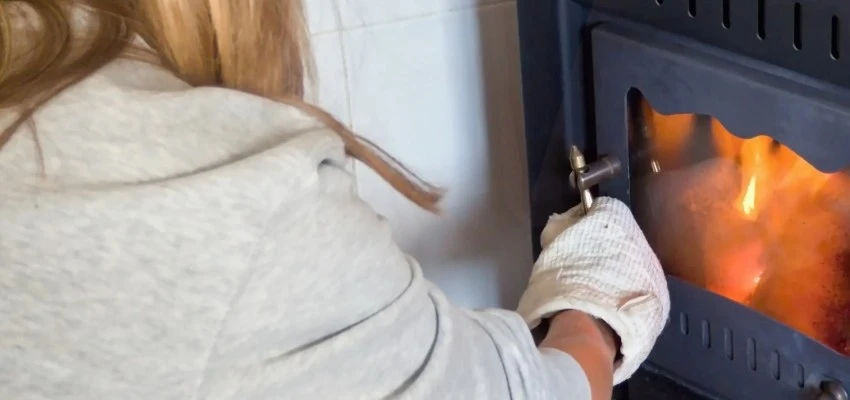
Yearly Gas Fireplace Maintenance in Abbotsford, before the cold arrives