Think of this page as a reference you can come back to. It covers the parts of owning a gas fireplace that cause the most confusion, from ignition and venting to remotes and routine care, and it explains where the homeowner’s role ends and the technician’s begins. If you landed here by searching for “gas fireplace cleaning” from Abbotsford, you will find honest detail about gas fireplace tune-up and cleaning and no pressure to book anything.
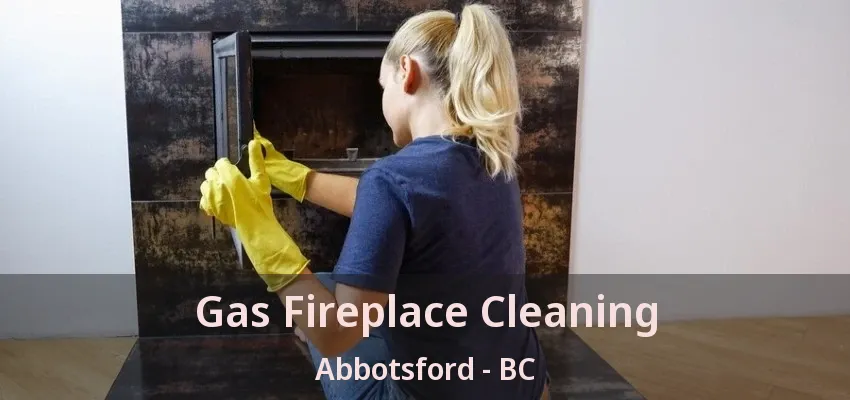
Yes, regular service is worth it, because most of the faults we are called out for start small and grow quietly. A pilot slowly coated with dust burns weaker each season until its sensor no longer gets hot enough. A vent cap with a bird nest or spider webs restricts exhaust. Glass gaskets dry out and stop sealing evenly. None of these announce themselves, and a homeowner rarely sees them from the front of the unit. A routine visit once a year lets us clean, measure and adjust before the fire becomes unreliable, and it gives you a chance to mention anything that has seemed different lately.
A few visible clues suggest it is time. The glass develops a white or gray haze that makes the flames look dull, the logs look dusty, a burning-dust smell lingers well past the first fires of the season or the flames start looking more yellow and uneven. Pet hair gathering at the lower louvers and slower or noisier fan operation are other hints. Any black soot, however, signals a combustion problem rather than routine dirt, so stop using the fireplace and have it checked. If none of these signs appear, a yearly “gas fireplace cleaning” visit is still a sensible routine.
If you smell gas near a fireplace, leave the home right away and call the gas utility, your propane supplier or 911 once you are outside. The rotten-egg or sulfur odor is added to the fuel on purpose so that leaks get noticed. Do not switch lights, the fireplace or any appliance on or off, do not use a phone indoors and do not try to find the source. Get people and pets out and stay at a safe distance until the utility says it is safe to go back in. A qualified gas technician should repair the fireplace before it is used again.
Cleaning usually covers the glass, the firebox interior, the logs or decorative media, the burner surface, the pilot assembly and the area around the controls, plus the louvers and any fan. Other parts are inspected rather than cleaned: the gasket around the glass, the gas connections, the vent and its outdoor cap, the safety sensors and the ignition. That split matters, because a visit described only as “gas fireplace cleaning” may or may not include the testing side. Ask whether the price covers both, since a sparkling fireplace with an untested safety shutdown is only half the job.
Gas fireplace logs should be arranged exactly as the manufacturer’s diagram shows, because each log is shaped and placed to sit clear of specific burner ports. The diagram is usually in the owner’s manual, and many logs have notches or pins that match marks on the grate. Moving a log even slightly can push flames into it, which leads to soot and poor burning. The same goes for embers and decorative media: a thin layer in the right spots looks good, while too much can block the gas flow. If a log is cracked, crumbling or missing, ask for a replacement made for your model.

We use a dedicated fireplace glass cleaner and some patience to lift the haze of minerals and combustion byproducts that bakes onto the inner surface over a season. Scrapers and abrasive pads stay in the truck, since they scratch. Our bigger concern is what happens when the glass goes back on. The frame has to latch properly and the gasket has to seal all the way around, or the fireplace can draw in room air and burn poorly. We also check the panel for chips or cracks while it is out, since damaged glass should be replaced before the next fire. That refit is why we treat the inside of the glass as technician work.
Most of our service visits run about an hour from setup to final test, and the cooling time is what people forget. Glass on a fireplace that ran that morning can still be hot enough to burn, so we ask homeowners to leave it off for a few hours beforehand. Units packed with dust, logs that need resetting or a gasket that has to be replaced add time. For repairs, we give an estimate once we know the fault. If a part is not on the truck, we make the fireplace safe, order the correct part and book a return visit.
After a gas fireplace service, the unit should light promptly, burn with steady flames and show clean glass. The technician should run it before leaving and explain what was cleaned, tested and found. Ask about anything flagged for later, such as a gasket nearing the end of its life or a sensor reading on the low side. A faint dusty smell during the first fire is normal while cleaned surfaces heat up, but any gas smell is not: leave and call the utility from outside. Keep the service record with the owner’s manual, and note when the next visit is due.
A local company is often the practical choice for gas fireplace work because it can come back easily if a part has to be ordered or a fault reappears. Many repairs take two visits, one to diagnose and one to install, and a short drive makes that simpler to schedule. Nearby technicians also get to know the fireplace styles common in surrounding neighborhoods, which can speed up diagnosis. Before booking, confirm that the company works in your area itself rather than passing the job along, and ask how follow-up questions are handled once the visit is over.

If you already know the work needs doing, booking early gives you more choice of dates and less to think about later. Tell us roughly when you would like the visit in Abbotsford and we will hold a time for you. Reserve your visit.
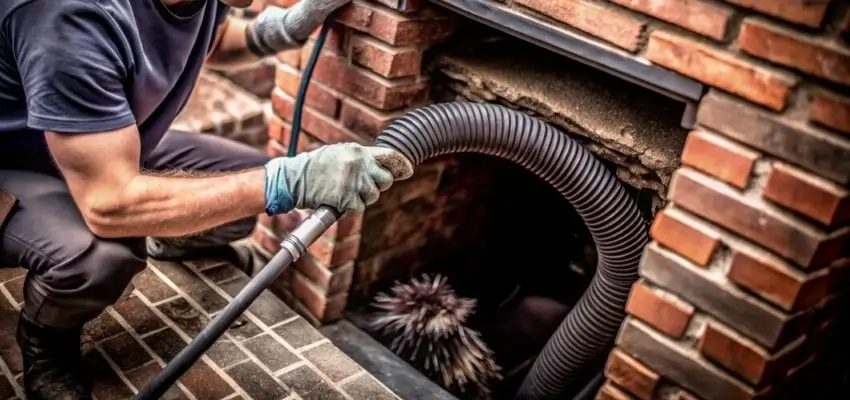
Flue last swept long ago? Chimney Cleaning in Abbotsford
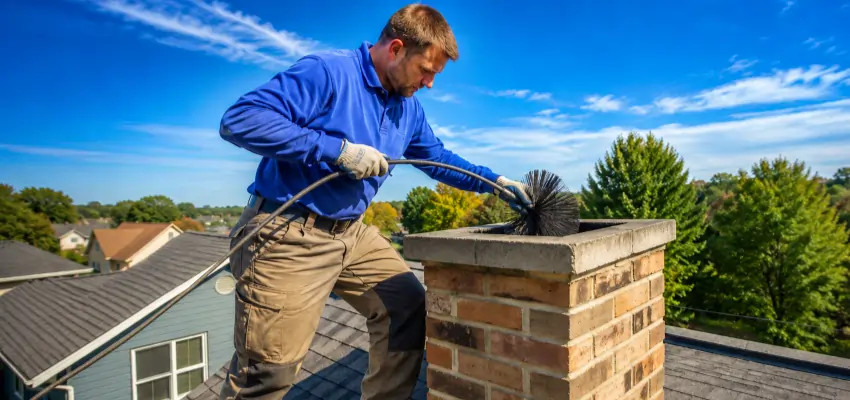
Creosote cleared, flue inspected: Chimney Sweep for Abbotsford
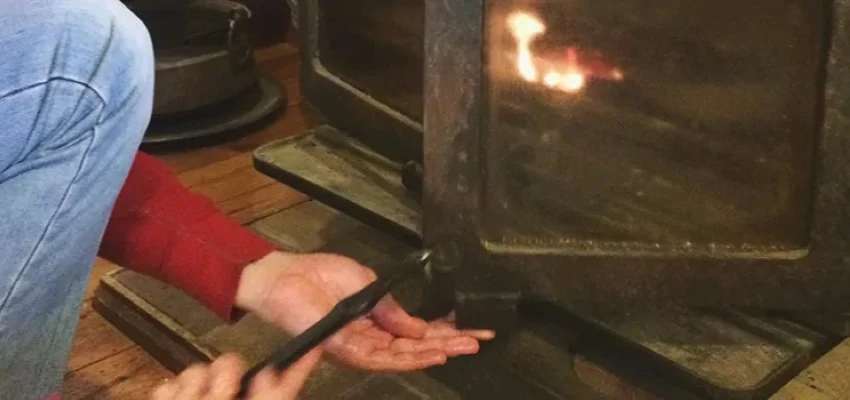
From roof cap to firebox, Chimney Sweep Services in Abbotsford
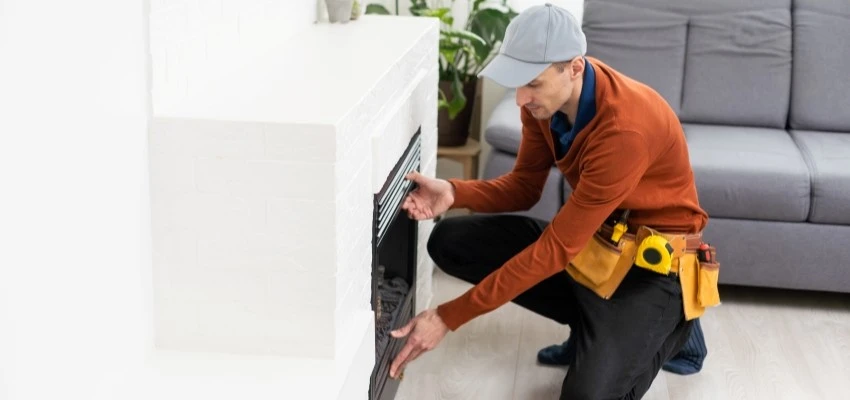
Ready for the season with Fireplace Experts in Abbotsford
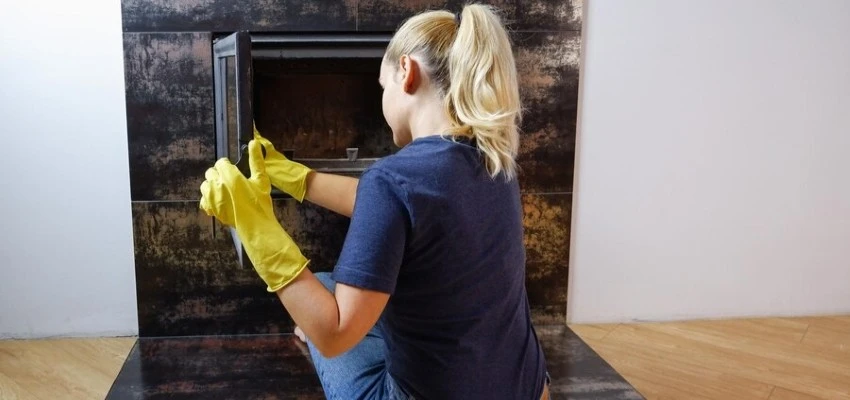
Control area vacuumed during Gas Fireplace Cleaning
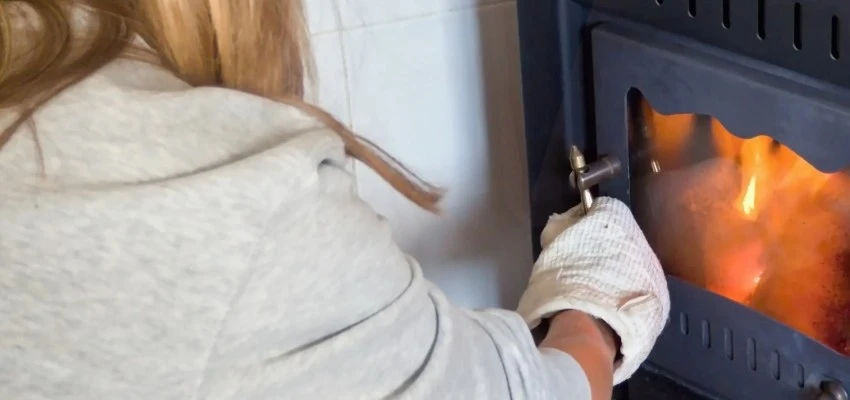
Yearly Gas Fireplace Maintenance in Abbotsford, before the cold arrives