Before the next fire, it helps to know what is happening above the flames. Every load of wood leaves a little residue in the chimney, and every season of heating and cooling tests the mortar, metal and seals that keep smoke where it belongs. People in Abbotsford who look up “fix non-working fireplace” usually want to know whether their own fireplace needs attention. The answers on this page explain fireplace troubleshooting and repair plainly, without scare tactics.

Regular care catches problems that build slowly and out of sight, and a fireplace that has gone years without a visit shows exactly that pattern. The flue carries a crust of creosote, the cap is clogged with leaves or missing, and joints in the firebox have eroded from repeated heating. None of it happened overnight, and most of it would have been a simple fix earlier on. Neglect also hides things like a cracked flue tile or a rusted damper, which only show up when someone looks. Routine service is really about knowing the condition of a system you trust with an open flame indoors.
The usual reasons are damp wood, too little air or a cold or blocked flue. Wood that has not dried long enough hisses and smolders instead of catching. A damper left partly closed, a fire packed too tightly or a house pulling air down the chimney starves the flame. A cold flue can push smoke back down until it warms, and a blocked cap or heavy creosote limits the draft further. If dry wood and a fully open damper do not solve it, a visit booked under “fix non-working fireplace” can check the flue, cap and air supply.
The clearest signs a fireplace needs repair are visible damage and changes in how it behaves. Look for cracked or loose firebrick, mortar that crumbles or leaves gaps, rust flakes falling into the firebox, a damper that sticks or will not close, and cracked tiles on the hearth or surround. Smoke drifting into the room, a strong odor in warm weather and water stains near the opening point to trouble too, often higher up in the chimney. Any one of these deserves a closer look before the next fire, and several together usually mean repairs are overdue.
A fireplace or stove usually smells when it is not in use because creosote and soot in the flue give off odor, especially in humid weather. Moist summer air reacts with those deposits and makes the smell stronger, and rain coming down an uncapped chimney adds a damp, musty note. The house can make it worse: kitchen and bathroom fans or a running dryer can pull air down the chimney and into the room. A sweep removes most of the source, a cap keeps rain out and a tightly closing damper cuts the downdraft. A sharp, rotten smell is different and can mean an animal in the flue.
Cracked tiles are replaced one at a time when the base underneath is sound, and that base is the first thing we check. A single crack from a dropped log is a simple swap: we cut out the grout, lift the broken pieces, clean the bed and set a replacement using materials rated for the heat near a fire. Several cracks running in a line usually mean the hearth slab has shifted or the substrate is failing, and swapping tiles alone will not hold. Near the opening we avoid ordinary household tile adhesives, which can break down with heat and leave tiles loose again.

Diagnosis works through the system in order, from the simple to the hidden. The technician asks what happens when you light a fire, checks that the damper opens fully and looks for obvious debris. Next comes the flue, using a light or camera to look for nests, collapsed tiles or heavy deposits, and the cap and screen on the roof. Then the house itself is considered: fans, airtight windows and the size of the opening compared with the flue. Each step rules something out, so the repair targets the real cause instead of a guess.
The repairs wood-burning fireplaces need most often are replacing damaged firebrick, repointing worn mortar joints, fixing or replacing the damper and repairing the chimney cap or crown. Firebrick cracks and joints erode after many fires, which can let heat reach the surrounding structure. Throat dampers rust, warp or seize, and many are replaced with a damper mounted at the top of the chimney. Caps blow off, and crowns crack and let water in. Hearth tiles, glass doors and screens need attention now and then as well. Most of these jobs are fixed in a single visit.
Most fireplace repairs take from a few hours to a full day of work, while bigger jobs such as a firebox rebuild or major chimney work can stretch over several days. The schedule also depends on dry weather for anything done on the roof, on how quickly specific parts or matching materials can be found, and on cure time for mortar. Masonry repairs usually need a waiting period before the first fire, so the fireplace may be out of use a little longer than the work itself. Booking repairs outside the burning season keeps that downtime out of the way.
That depends on the repair: simple fixes can be used right away, while many masonry and sealing repairs need a curing period followed by a few small fires. Fresh refractory mortar, firebrick work and crown patches can crack if hit with high heat too soon. Stove gaskets set with high-heat cement and new glass seals also hold up longer after a few gentle first fires. A new damper handle, cap or screen usually needs no wait at all. Ask the technician for clear instructions on how long to wait and how small to keep the first fires, and follow them closely.

The hardest part is often deciding to deal with it. Once you call (778) 909-5649, we take care of the scheduling, explain the visit and send a technician to your home in Abbotsford. It is a straightforward way to get your fireplace looked after.
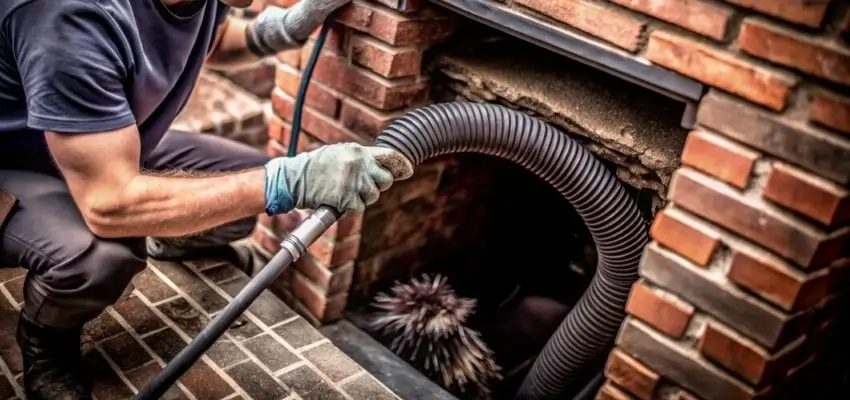
Flue last swept long ago? Chimney Cleaning in Abbotsford
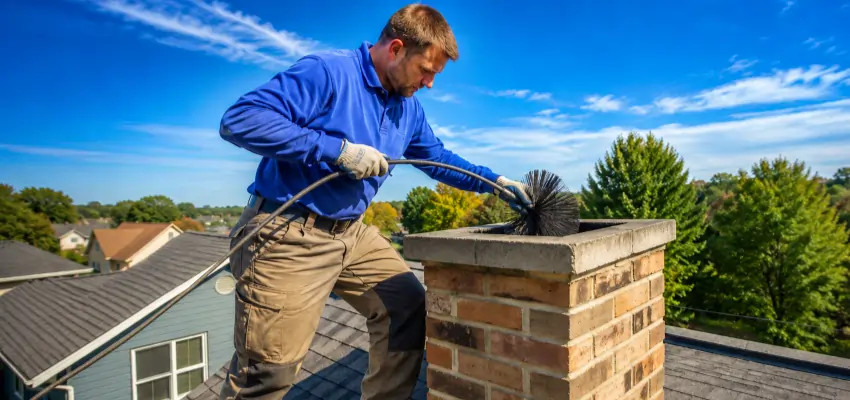
Creosote cleared, flue inspected: Chimney Sweep for Abbotsford
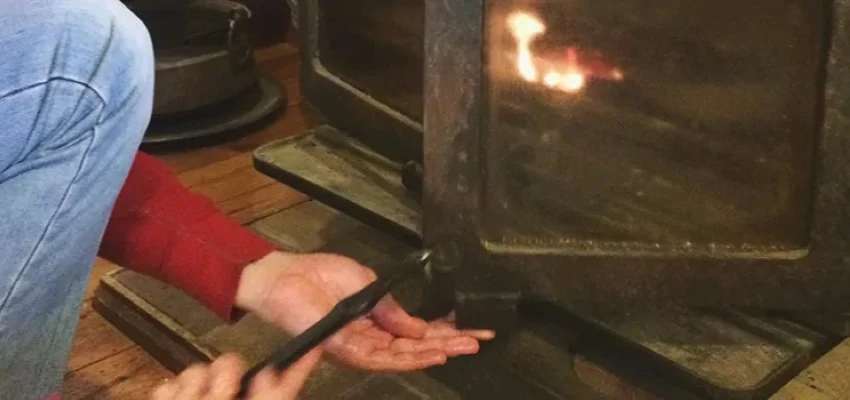
From roof cap to firebox, Chimney Sweep Services in Abbotsford
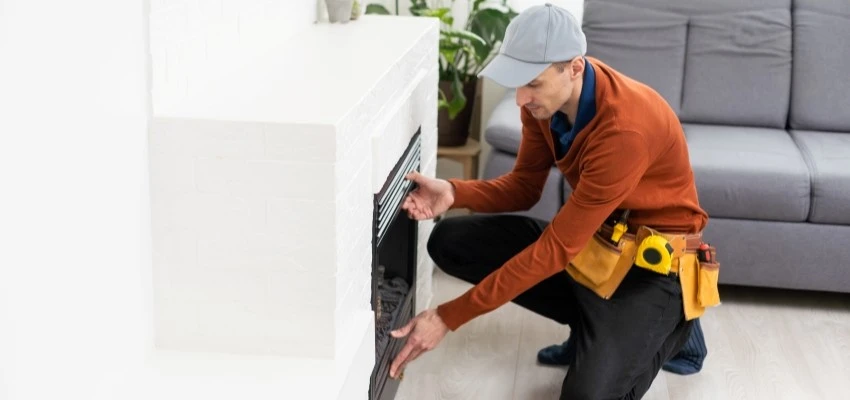
Ready for the season with Fireplace Experts in Abbotsford
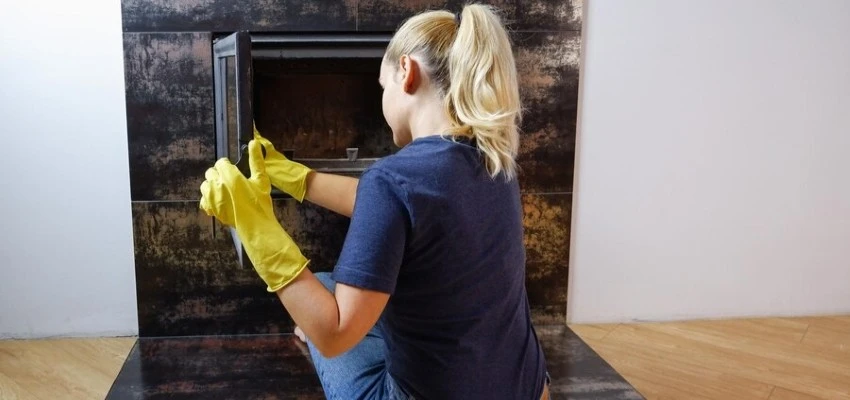
Control area vacuumed during Gas Fireplace Cleaning
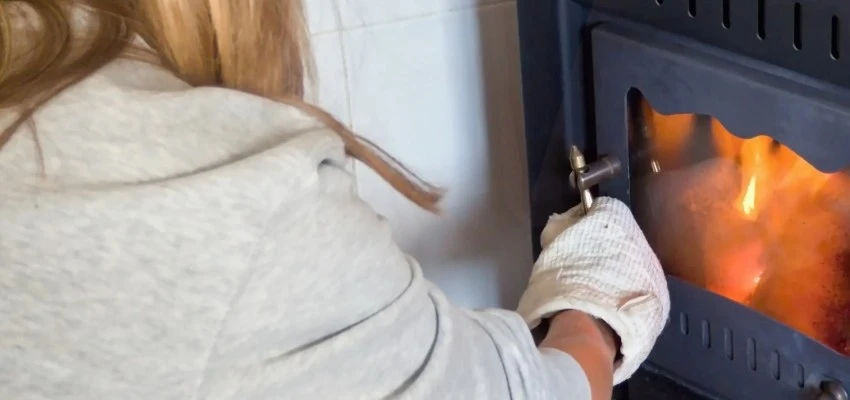
Yearly Gas Fireplace Maintenance in Abbotsford, before the cold arrives