A fireplace is often the centerpiece of a room, which is why changes to it deserve some thought. Whether you are looking up “fireplace throat services” to refresh a tired surround or to deal with damage you spotted inside the firebox, the answers below explain the work in everyday terms for homeowners in Abbotsford. You will find what fireplace throat repair usually involves, what affects cost and timing and which parts of the job belong to specialists.
It is the transition zone between the throat and the flue, and it does more work than most people realize. Shaped like an inverted funnel, it gathers smoke and guides it into the flue opening. When we look up past the damper with a camera, we often find corbelled brick steps, missing mortar or a layer of glazed creosote clinging to rough walls. Those surfaces slow and swirl the smoke, which can push it back into the room and let deposits build. A smooth, sound chamber helps the fireplace draft properly and keeps hot gases away from the house structure.
The line we draw is between the parts you see and the parts that handle fire and smoke. Remodeling deals with surfaces and fuel: tile, stone, mantels, surrounds and conversions. Repair deals with the working core: the firebox, the throat and damper, the smoke chamber and the metal components that seal or protect them. On real jobs the two often overlap. Pull off an old surround and you may find gaps that let heat reach framing; open the damper and you may find a crumbling smoke shelf. We sort each finding into must-fix and nice-to-have so you can plan sensibly.
The throat is the narrow opening at the top of the firebox where smoke leaves the fire and enters the chimney system. In most masonry fireplaces, the damper sits in the throat, and just behind it is the smoke shelf, with the smoke chamber above. The shape of the throat helps the fireplace draft, so damage or poor construction there can cause smoke to spill into the room. People searching for “fireplace throat services” are usually dealing with a damper that sticks, debris on the shelf or crumbling masonry around the opening, all of which are part of throat work.
The giveaways are in how it moves and how the room feels. When we test a throat damper, we work the handle through its full range, watch whether the plate seats on its frame and look for daylight or soot streaks around the edges. Rust scale on the smoke shelf, a pivot that has seized and a plate bowed by heat are common finds. On windy days a loose damper can bang, and a gap you cannot close turns the chimney into a cold draft. Any damper that will not fully open needs fixing before the next fire is lit.
The smoke shelf is the flat or slightly curved ledge behind the damper, at the base of the smoke chamber. Its shape helps turn back cold downdrafts, but it also catches whatever falls down the chimney: soot, creosote flakes, leaves, nest material, mortar crumbs and rain. A shelf piled with debris can restrict draft, hold moisture against the masonry and, with creosote, add fuel near the fire. It is out of sight from the room, so it gets overlooked. Clearing and checking it is a standard part of fireplace throat repair and of a thorough sweep.
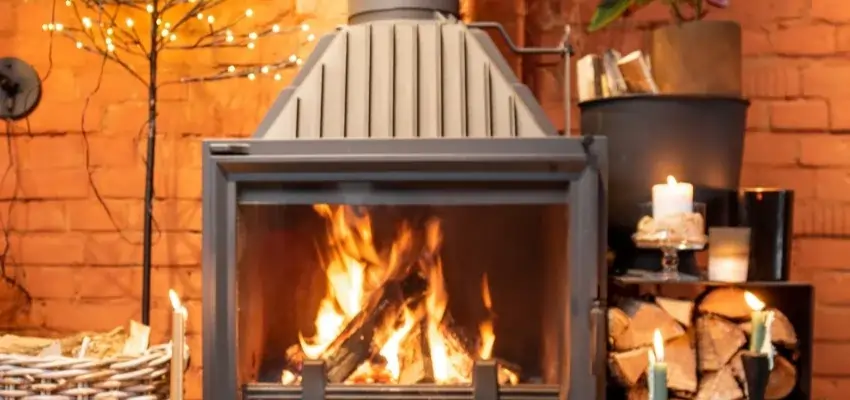
Because what we find inside often changes the plan, every project should begin with an inspection. A makeover quote means little if the firebox behind it is cracked, and a gas conversion depends on the condition of the flue it will vent through. We look at the masonry joints, the damper and its frame, the smoke chamber walls above it and the liner or flue tiles, and we measure the opening. Then we tell you what the existing fireplace can support. Doing this first also avoids the worst outcome: covering damage that someone later has to tear out again.
We clean first, repair second and coat last. Creosote and soot have to come off, or the new material will not bond. Loose or missing bricks in the chamber walls are reset, and open joints are filled. Then a refractory parging coat is built up until the corbelled steps disappear and the walls slope evenly toward the flue. Some systems are applied by hand, others sprayed on and smoothed; the method depends on access and the condition of the masonry. A camera pass before and after lets you see the difference, which would otherwise stay hidden above the damper.
We repair when the frame and plate are sound, and replace when they are not. Freeing a seized pivot, fitting a new handle or clearing debris off the smoke shelf is a modest job. Once the plate has rusted thin or warped badly, a matching throat damper can be hard to find for older fireplaces, so many homeowners choose a top-sealing damper instead. It closes at the chimney top with a gasketed lid, cuts drafts better than most throat dampers and keeps rain off the masonry. Installing one means roof work, which affects the quote, so we discuss both routes before starting.
When homeowners show us competing quotes, the gap usually comes from scope. One quote may cover a new surround but say nothing about the cracked firebricks behind it; another includes the repair and the curing time. We suggest laying them side by side and asking three questions of each: what exactly is being fixed, what exactly is being installed and what happens if something unexpected turns up when the old finish comes off. Clear, specific answers point to a contractor who has thought the job through. Vague ones usually mean extras later.
Every home is a little different, so your situation may raise a question that is not on this page. Call us at (778) 909-5649 and describe what you have noticed. We can talk through the options for your fireplace and set up a visit anywhere around Abbotsford if it makes sense.
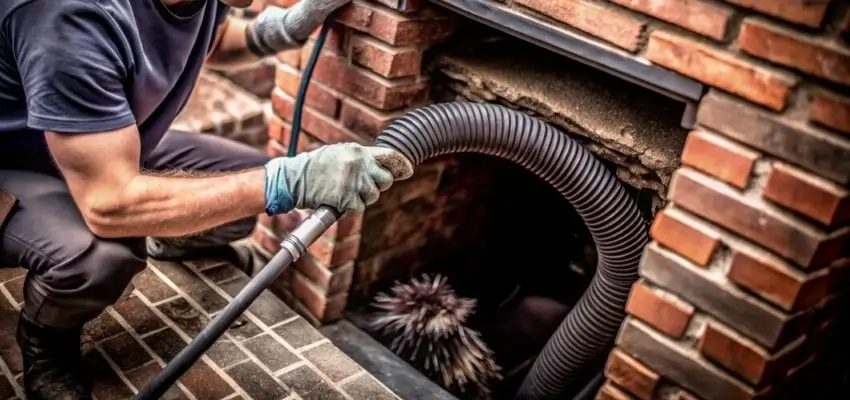
Flue last swept long ago? Chimney Cleaning in Abbotsford

Creosote cleared, flue inspected: Chimney Sweep for Abbotsford
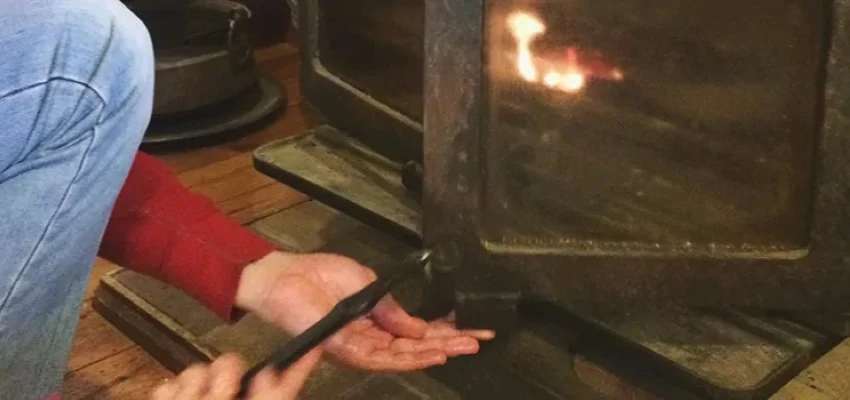
From roof cap to firebox, Chimney Sweep Services in Abbotsford

Ready for the season with Fireplace Experts in Abbotsford
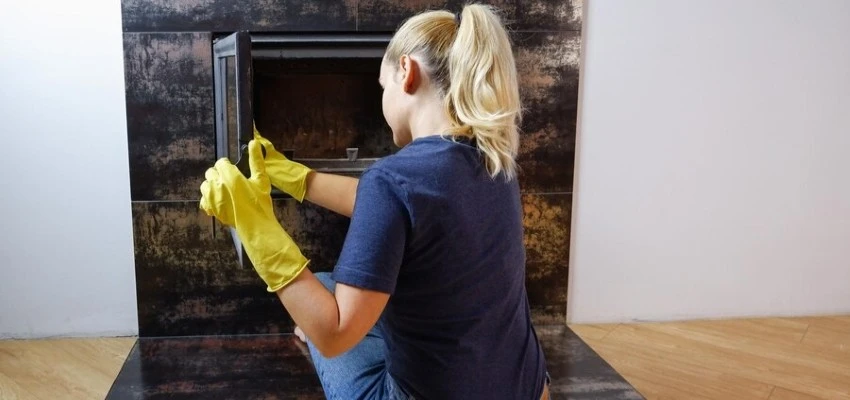
Control area vacuumed during Gas Fireplace Cleaning
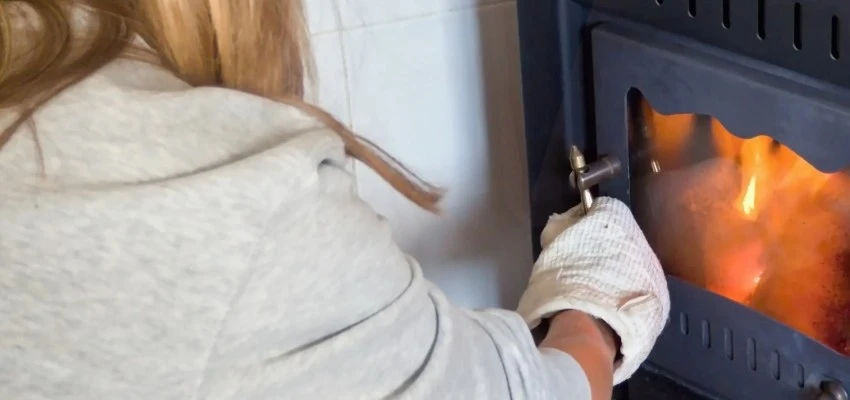
Yearly Gas Fireplace Maintenance in Abbotsford, before the cold arrives