Older homes often come with fireplaces that have seen many winters and a few questionable repairs along the way. If that sounds like yours and you typed “fireplace restore & refurbish services” into a search bar, you are probably weighing what to fix, what to keep and what to change. This guide is written for homeowners around Abbotsford and explains fireplace restoration and refurbishing honestly, including the cases where a simpler job makes more sense than a big one.
Remodeling changes how a fireplace looks or what it burns, while repair restores parts that have worn out or been damaged. Refacing, a new mantel or a wood-to-gas conversion are remodeling jobs. Fixing cracked firebricks, a stuck damper, a deteriorated smoke chamber or rusted metal parts is repair. Many projects include both: a makeover often uncovers damage that should be fixed while the area is open, and a repair can be a good moment to update the finish. Knowing which kind of work you need helps you find the right people and compare quotes fairly.
Restoring aims to return a fireplace to its original condition and character, while refurbishing renews it, which can include updates the original never had. A restoration might rebuild a firebox with matching brick and reset original tiles; a refurbishment might keep the structure but add new doors, a fresh surround finish or a modern insert. Many projects blend the two: authentic where it matters, updated where it helps. When you look up “fireplace restore & refurbish services”, decide which parts you want preserved and which you are happy to change, since that shapes every quote.
We lean toward restoration whenever the bones are good. Original fireplaces in older homes were often built with care, and their brickwork, tile insets or cast iron fronts are hard to reproduce. Restoring them means rebuilding what has failed out of sight, like eroded firebrick and a deteriorated smoke chamber, and conserving what makes the fireplace distinctive. Replacement enters the conversation when the firebox has shifted or cracked through, when earlier repairs used the wrong materials throughout or when the layout simply cannot be made safe. Either way, you should see the evidence before deciding.
Our restorations follow the fire’s path, starting where the heat is and ending where people look. First the firebox: loose or eroded bricks come out, joints are repointed with refractory mortar and any shifted sections are rebuilt. Then the throat and damper, then the smoke chamber above. Only after the working parts are sound do we turn to the face, lifting soot from brick with care, replacing cracked tiles with close matches and treating rust on cast iron. We photograph each stage, so you can see the hidden work as well as the visible result.
We protect the room with floor coverings, sealed openings and a contained work area, and the setup takes time on purpose because masonry dust travels. The floor is covered from the door to the hearth, plastic is taped around the fireplace opening and, for messy demolition, we build a small enclosure so dust stays in one spot. Cutting is done with dust collection where the tools allow, and mixing happens outside or on protected ground. At the end of each day we vacuum and tidy. Some fine dust can still escape on a demolition day, but it should be minor.
Original fireplace materials are often no longer made. Antique tiles, handmade brick, specific stone and old cast iron pieces may have to be sourced from salvage yards or specialist suppliers, or reproduced to order, and each route takes time. Mortar color also needs testing so new joints blend with old ones. Planning for these lead times keeps the job from stalling halfway. A good contractor will tell you which items are easy to source and which may take weeks, and suggest alternatives if a perfect match is not available. Ask about lead times when you request fireplace restoration and refurbishing quotes.
The ideal start is an empty room around a cold fireplace. We need space to set up dust protection, a route for heavy materials such as stone or a mantel and somewhere to mix or cut outside. Take down pictures or a TV mounted above the opening, since vibration from chipping can loosen them. Let us know about alarms, pets and parking. If a gas line is involved, the gas technician may need access to the meter or the basement. Final finish choices, like grout color or stain, should be settled before day one so the job does not stall.
Most of what keeps a fireplace looking and working well happens between our visits. A yearly inspection is the backbone, because it catches mortar joints, damper parts and smoke chamber surfaces before they deteriorate. Day to day, the habits that matter are dry firewood, moderate fires and a hearth kept free of things that can scorch. New surrounds need little beyond gentle cleaning, though natural stone may benefit from occasional sealing if the supplier recommends it. On gas conversions, the yearly check shifts to the burner, ignition and venting. A short note after each visit helps everyone spot trends.
Compare quotes line by line rather than by the total. Each should describe the same scope: what is removed, what is repaired, what new materials go in and who handles any gas, liner or venting work. Look for the material types, the finish details, protection and cleanup, disposal of old materials and any permit costs. Check how hidden damage would be priced if it turns up. A quote that looks much lower may simply leave out repairs another contractor included. Ask each company to explain anything vague before you decide.
When you call, you speak with people who know the work and can answer practical questions about your fireplace. Reach Chimney Sweep Abbotsford at (778) 909-5649 and we will help you decide on the next step for your home in Abbotsford.
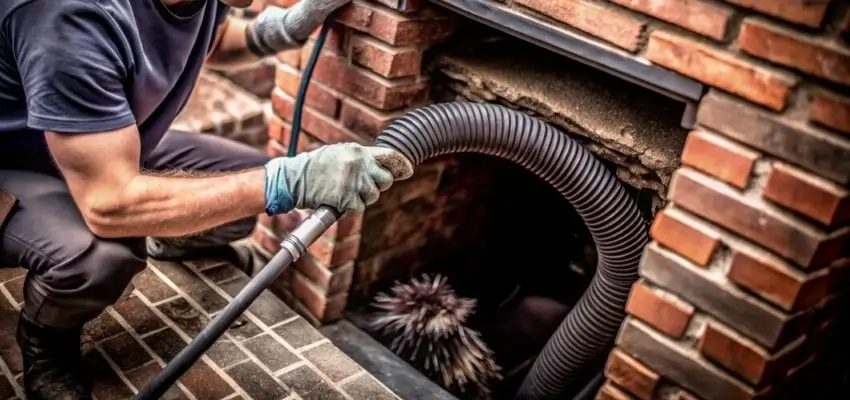
Flue last swept long ago? Chimney Cleaning in Abbotsford

Creosote cleared, flue inspected: Chimney Sweep for Abbotsford
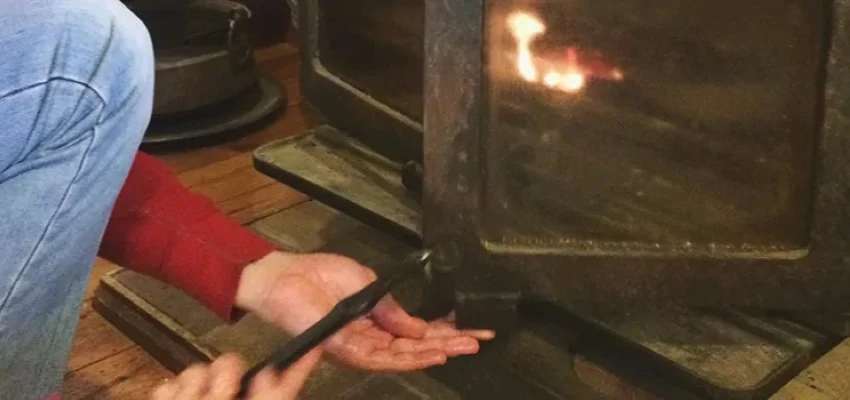
From roof cap to firebox, Chimney Sweep Services in Abbotsford
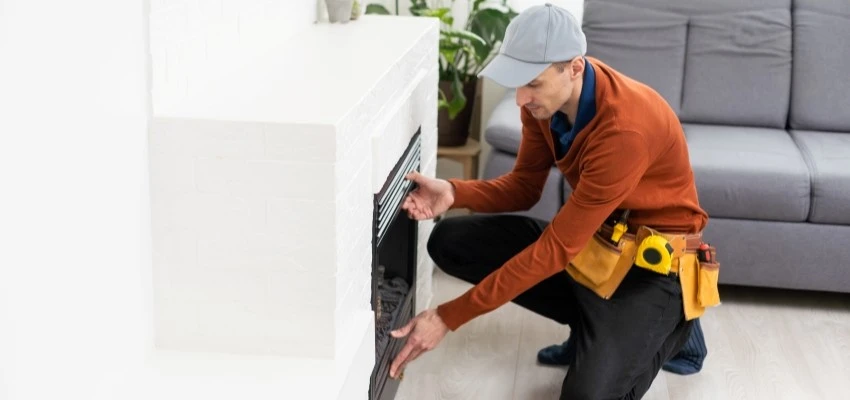
Ready for the season with Fireplace Experts in Abbotsford
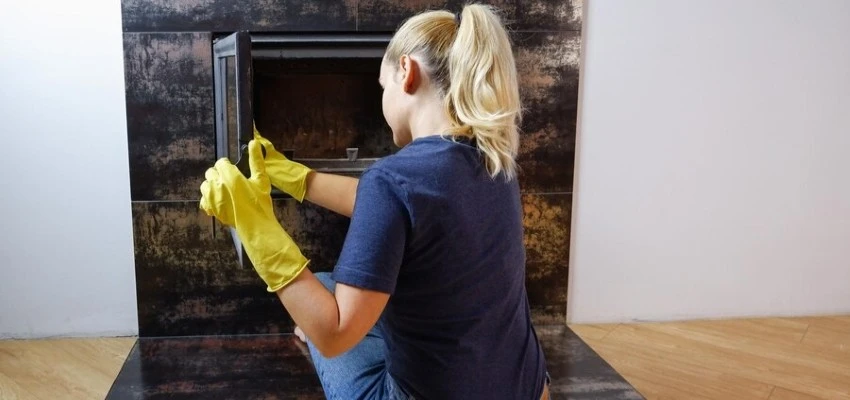
Control area vacuumed during Gas Fireplace Cleaning
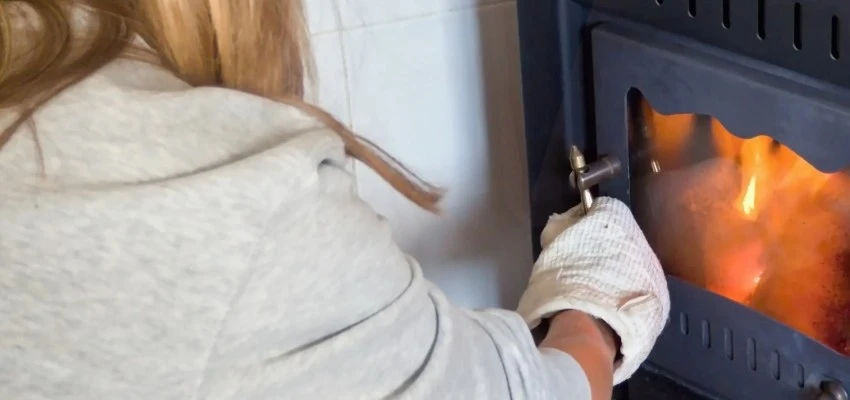
Yearly Gas Fireplace Maintenance in Abbotsford, before the cold arrives