Not every fireplace needs a big project. Sometimes a few bricks and fresh mortar do the job; sometimes a dated surround is all that stands between you and a room you love. Searching for “fireplace refacing” is a sensible first step toward telling those situations apart. The answers below help homeowners around Abbotsford understand surround and hearth refacing, set realistic expectations and decide what their fireplace actually needs.

Common refacing materials include natural or manufactured stone veneer, ceramic and porcelain tile, thin brick, plaster or stucco finishes and painted or limewashed existing brick. The area right around the opening needs noncombustible materials suited to the heat, while wood trim and mantels must sit farther back, as the fireplace manufacturer or local rules require. Each material affects weight, cost and upkeep: natural stone is heavy and may need extra support, tile is easy to clean and paint is the quickest refresh. Samples viewed in your own room’s light make the choice easier.
Fireplace refacing means covering or replacing the visible face around the opening, the surround and often the hearth, without changing the firebox or chimney behind it. It is a way to update a dated brick, tile or stone fireplace in a matter of days rather than rebuilding it. New materials can go over sound existing brick or replace it where needed. Homeowners searching for “fireplace refacing” usually want a modern or cleaner look, and refacing delivers that as long as the working parts behind the new face are healthy, which an inspection should confirm first.
Look for cracked or missing firebricks, gaps in the mortar joints, smoke that drifts into the room, a damper that sticks or will not close, rust or flaking metal and stains or cracks on the surround or mantel. Bits of mortar or brick in the ash, a strong odor after rain and drafts when the fireplace is cold are other clues. Any of these deserves a professional look, ideally before the next fire. Many homeowners also have the fireplace checked once a year, which catches small problems while they are still simple to fix.
In many cases we go right over it, which saves demolition, dust and time. The deciding factors are condition and flatness. Brick with solid joints can be cleaned, patched and given a bonding coat or cement board where the new material needs it, then tiled or veneered. If the face is badly uneven, coated in slick paint or shedding mortar, we deal with that first. We also check how far a new layer will project, because thicker finishes change the depth of the hearth and the relationship to the mantel. Removal is reserved for brick that cannot support the new finish.
The working time is usually shorter than the calendar time. A damper or firebrick repair may take a few hours, and a surround can be refaced in a few working days, but mortar and adhesives need curing time and gas work needs scheduling and testing. Materials are the other variable: custom stone, a made-to-order mantel or an insert can take weeks to arrive. We give homeowners two dates when we plan: when work starts and when the fireplace can be used again. For most families the second date matters most, especially heading into the colder months.
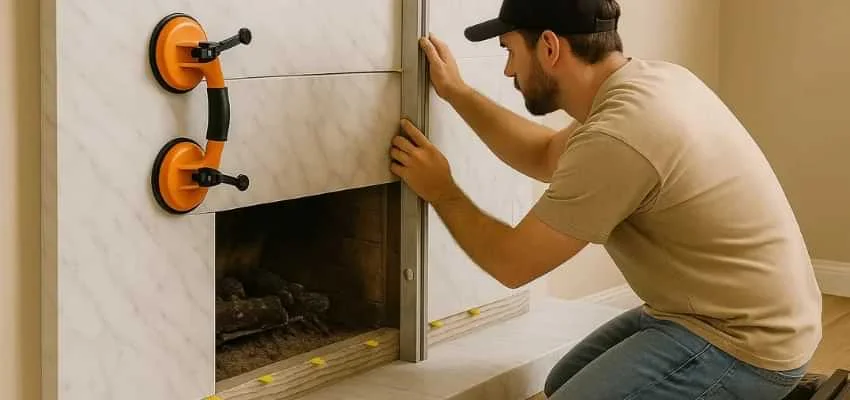
It should not change how the fireplace burns, because the firebox, damper and chimney stay as they were. What can change is fit: a thicker surround may affect how glass doors or an insert surround panel sit against the face, and a deeper hearth can alter clearances to the mantel. Good planning measures these before materials are ordered. Refacing is also a chance to fix problems you could not reach before. If your “fireplace refacing” project uncovers loose firebricks or a gap between the firebox and the surround, have those repaired so the new face is not hiding a problem.
Sometimes, and the deciding factors are gas, structure and venting. Cosmetic work on the outside of the fireplace rarely triggers a permit. Connecting a gas line, installing an insert with a new liner or rebuilding part of the firebox or chimney often does, depending on the rules where the house sits. Whoever does the work should know which applies and say so clearly in the quote. If a permit is needed, ask who will apply, who will be present for any inspection and whether the price includes it. Skipping this step can cause trouble later, for example when you sell the house.
We give every customer a first-fire date, and it is set by the slowest-curing material in the job. Fresh mortar and refractory products hold water, and heating them too fast turns that water to steam inside the joint, which can crack it before it has hardened. So after firebox, throat or smoke chamber work, we recommend a few small fires before a full one. Tile and stone surrounds have their own adhesive cure times. Gas units are lit and tested on installation day, then left ready to use. Call us if anything looks or smells unusual during those first fires.
Ask to see their work, inside the firebox as well as on the wall. A company that does fireplaces well can show you finished surrounds and mantels, but also the less glamorous jobs: rebuilt fireboxes, parged smoke chambers and replaced dampers. Those pictures tell you it understands the working parts, not just the decoration. Listen for questions about your chimney and how you use the fireplace. A contractor who mentions an inspection before quoting, explains curing time and says which parts of the job go to a gas technician or other specialist is usually a safe pick.

Sometimes the most useful thing is simply knowing whether there is a problem at all. A visit from Chimney Sweep Abbotsford gives you that answer, along with practical advice for keeping things in order. Call (778) 909-5649 to set one up.
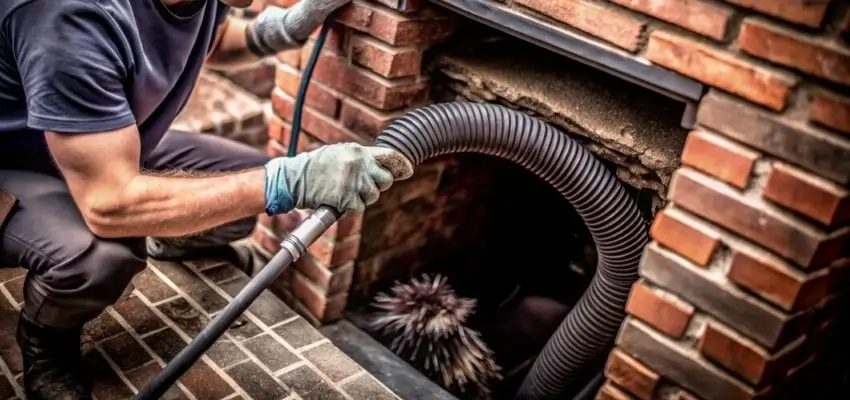
Flue last swept long ago? Chimney Cleaning in Abbotsford
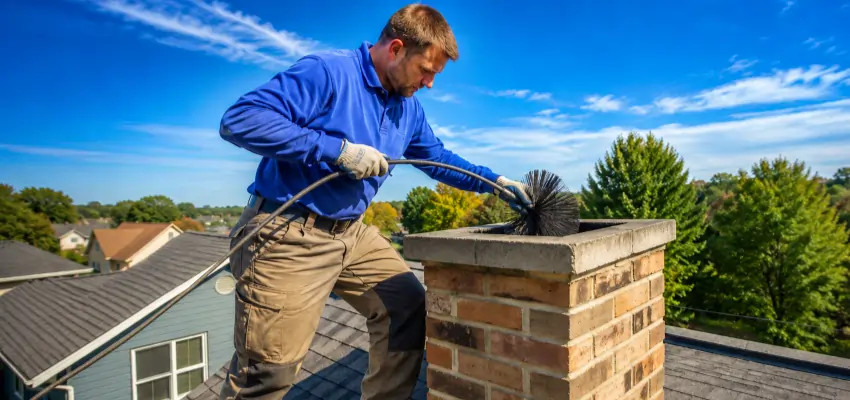
Creosote cleared, flue inspected: Chimney Sweep for Abbotsford
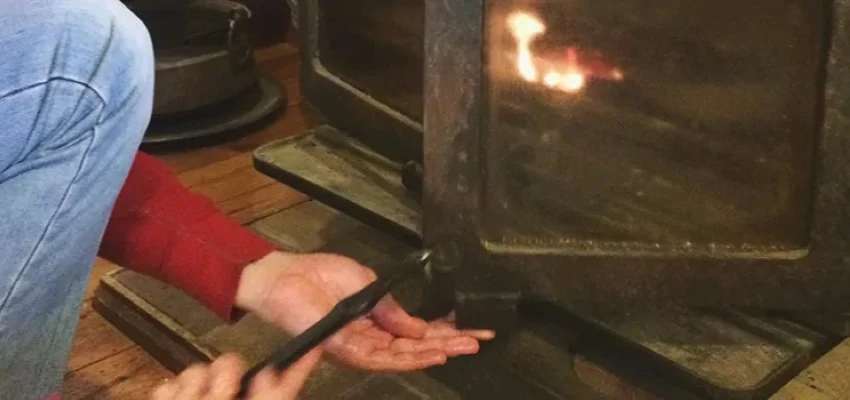
From roof cap to firebox, Chimney Sweep Services in Abbotsford
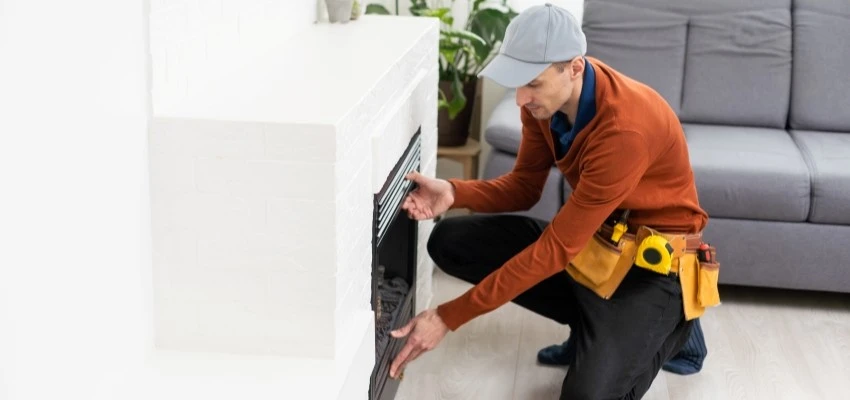
Ready for the season with Fireplace Experts in Abbotsford
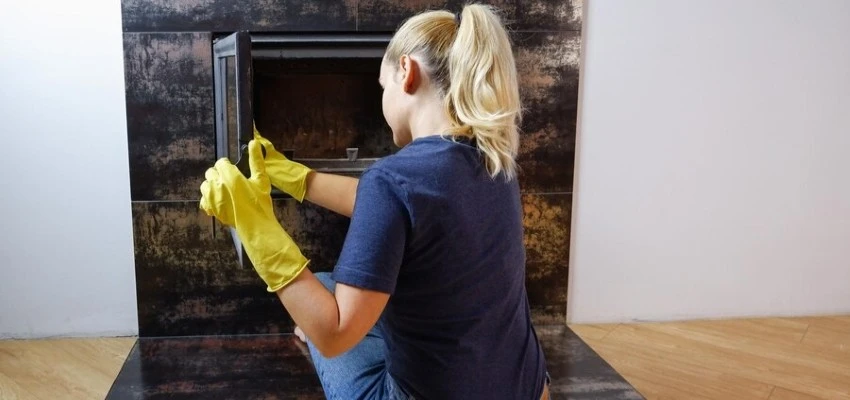
Control area vacuumed during Gas Fireplace Cleaning
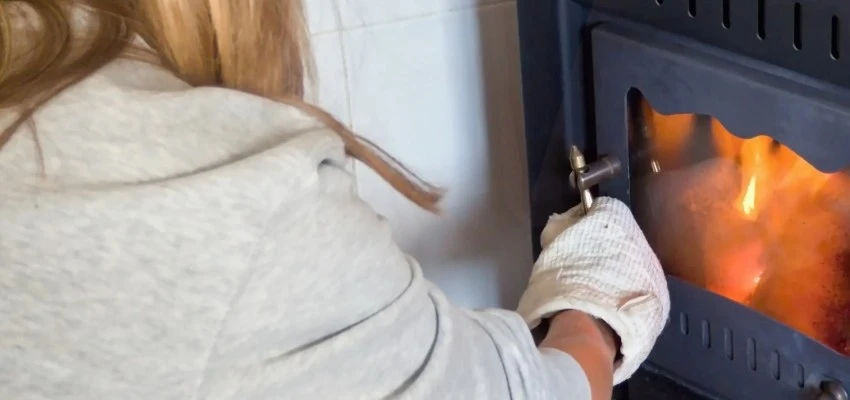
Yearly Gas Fireplace Maintenance in Abbotsford, before the cold arrives