The months when a fireplace sits unused are often the easiest time to work on it. Masonry needs time to cure, materials may need ordering and nobody wants a half-finished hearth when the weather turns cold. If you searched for “fireplace metal services” while planning ahead, the answers here help households in Abbotsford map out fireplace metal repair, from the first inspection to the first fire afterward.
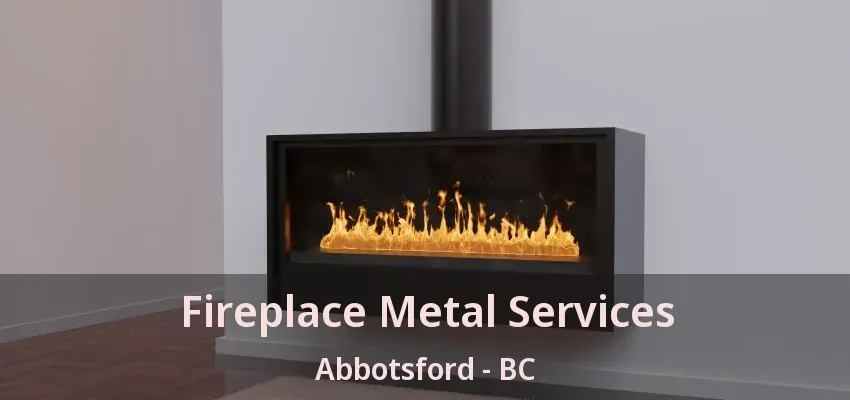
Fireplace metal work covers the steel and cast iron parts that open, close, protect and hold the fire. That includes glass door frames, mesh screens and spark guards, dampers and their handles, grates, andirons and firebacks, metal surrounds and hoods and the steel fireboxes of factory-built units. These parts deal with heat, soot and moisture, so they rust, warp and loosen over time. If you found this page by searching for “fireplace metal services”, the first step is identifying which part is failing and whether it can be repaired or must be replaced with one sized for your fireplace.
In most homes we see, yes, but the answer comes from inside the fireplace rather than its surface. A dated surround over a healthy firebox and a working damper is a good candidate for improvement. Cracked firebricks, a rough smoke chamber or a rusted damper are worth fixing in their own right, since they affect how safely the fireplace burns. Where we hesitate is when the chimney itself needs major rebuilding, because then the budget conversation changes. We look at the whole system first, explain what we find and let you weigh appearance against function.
A damper that sticks, will not open or close fully, rattles in the wind or lets cold air and odors into the room when the fireplace is off is usually worn or damaged. Look for rust flakes falling into the firebox, a handle or chain that moves without the plate following, light visible around a closed plate and smoke in the room even with the damper open. Rust, warping from heat and debris lodged on the smoke shelf are the common causes. A damper stuck closed is a safety issue, so do not light a fire until it has been checked.
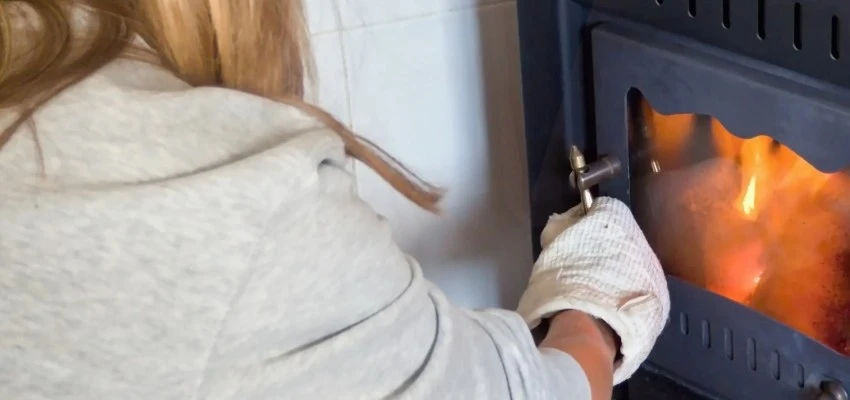
Fireplace doors and screens need repair when glass is cracked, doors no longer close or latch, hinges sag, mesh screens tear or the frame has pulled away from the opening. Cracked glass should be replaced before the next fire with glass made for fireplace use, not ordinary window glass. Gaps around the frame let warm room air escape when the fireplace is off. Warping usually comes from very hot fires with the doors closed. Most frames, hinges, handles and mesh panels can be repaired or replaced without changing the whole set.
A careful crew protects the room with drop cloths, plastic sheeting and tape before any cutting, chipping or grinding starts. Masonry and tile work create fine dust, so the fireplace opening is often sealed and a vacuum with fine filtration runs during the dustiest steps. The flooring in front of the hearth and the path to the door should be covered too. Expect some noise and a little dust despite the precautions, especially if old mortar or a surround is being removed. Ask how cleanup is handled at the end of each day and once the job is done.

A fireback is a heavy cast iron plate that stands against the back wall of the firebox. It shields the brick from direct flame, which can slow wear on the back wall, and it radiates some heat into the room. Many are decorative, with patterns cast into the face. A fireback should be sized to the firebox and stand slightly away from the wall, and it does not replace repairs to cracked firebricks or joints behind it. If your back wall is in good shape and you burn wood often, adding one during fireplace metal repair is a reasonable, low-disruption upgrade.
A throat damper can often be repaired if the problem is a seized pivot, a broken handle or debris, but a rusted-through or badly warped plate is usually replaced. One common replacement is a top-sealing damper, which mounts at the top of the chimney and closes with a cable that runs down to the fireplace. It seals tightly with a gasket and doubles as a cap that keeps rain and animals out. Its cost depends on the chimney size and access. The right choice depends on the damper’s condition, how the chimney is built and how tightly you want it to seal.
Rust on fireplace metal comes from moisture, so the main defense is keeping water out. A chimney cap stops rain from falling straight onto the damper and firebox, and a closed damper limits humid air in summer, unless gas logs require it open. Remove ashes after the season, since damp ash holds moisture against metal. Light surface rust on doors, frames or grates can be cleaned and touched up with high-temperature paint made for fireplaces. Heavy rust, flaking or holes in a damper or metal firebox need professional attention. Checking metal parts once a year catches problems early.
When homeowners show us competing quotes, the gap usually comes from scope. One quote may cover a new surround but say nothing about the cracked firebricks behind it; another includes the repair and the curing time. We suggest laying them side by side and asking three questions of each: what exactly is being fixed, what exactly is being installed and what happens if something unexpected turns up when the old finish comes off. Clear, specific answers point to a contractor who has thought the job through. Vague ones usually mean extras later.
The quote form takes a minute or two. Add your address in Abbotsford, a line about what you need and how you would like us to reach you. Fill in the form and we will get back to you with a price and the next available times for fireplace metal repair.
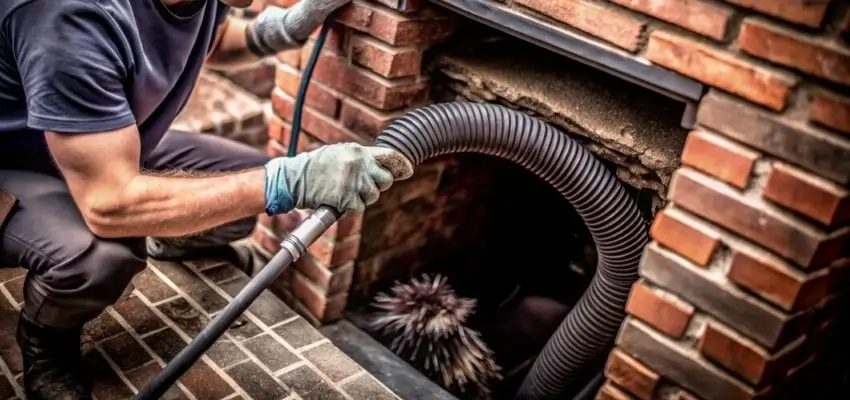
Flue last swept long ago? Chimney Cleaning in Abbotsford
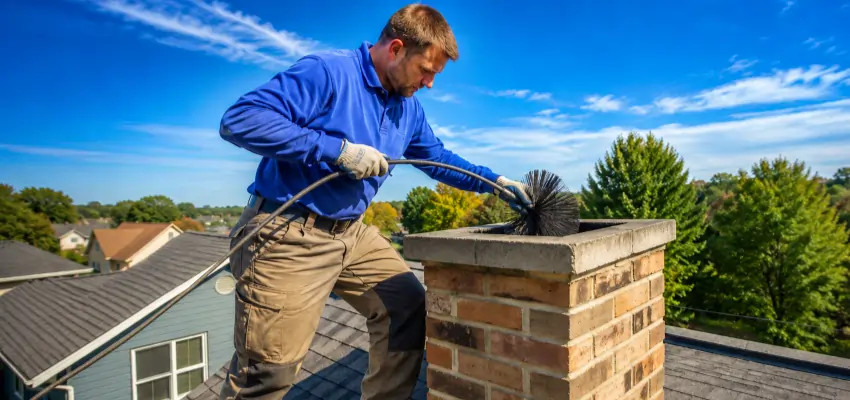
Creosote cleared, flue inspected: Chimney Sweep for Abbotsford
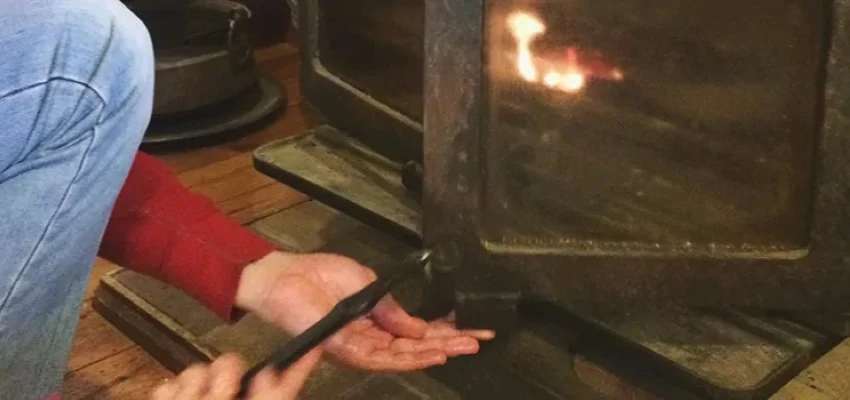
From roof cap to firebox, Chimney Sweep Services in Abbotsford
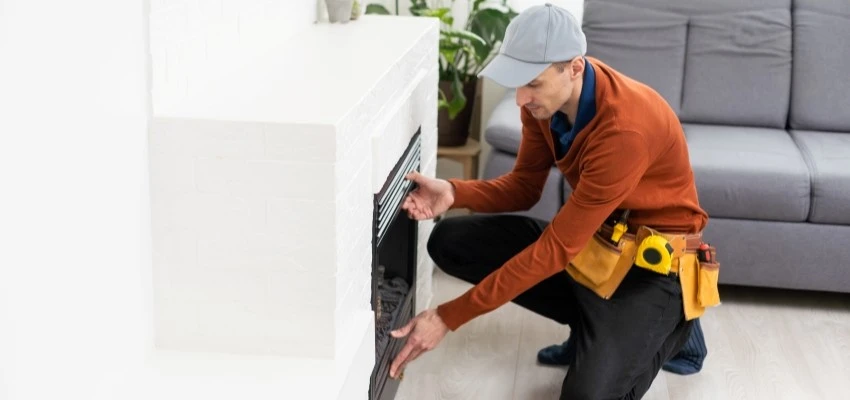
Ready for the season with Fireplace Experts in Abbotsford
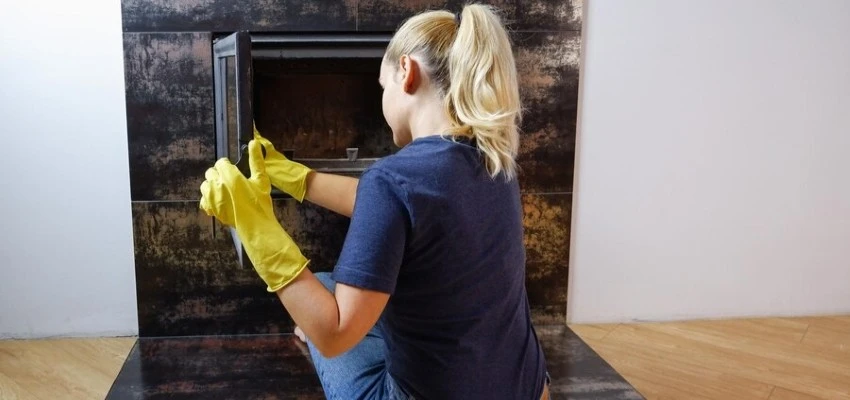
Control area vacuumed during Gas Fireplace Cleaning
Yearly Gas Fireplace Maintenance in Abbotsford, before the cold arrives