Fireplace work sits where looks and safety meet. A new surround has to cope with heat, a repaired firebox has to contain fire and every change has to leave the smoke a clear path out. If “fireplace makeover services” brought you here, the following answers give homeowners in Abbotsford a grounded view of fireplace renovation: what is involved, what can go wrong when corners are cut and how to prepare for a smooth job.
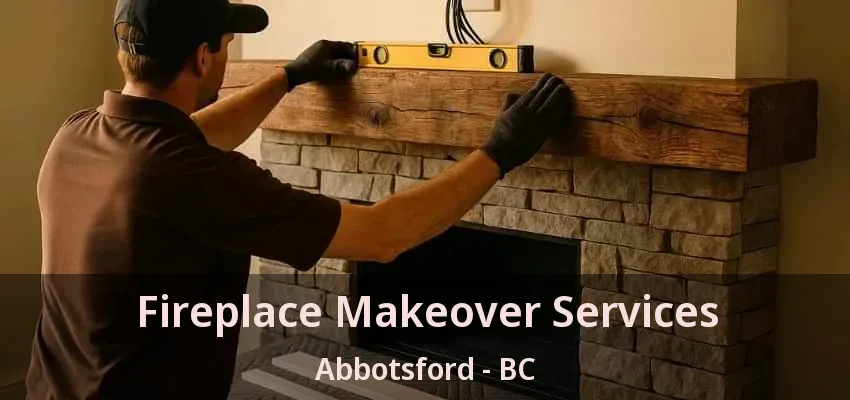
Most surround materials can work, and each one changes the job differently. Stone veneer, real or manufactured, gives depth but adds weight, so we check that the wall and hearth can carry it. Porcelain tile is thin, durable and easy to wipe down, and large-format pieces give a modern look with few grout lines. Thin brick suits traditional rooms without the bulk of full brick. Plaster and limewash refresh existing brick with very little demolition. Whatever you choose, the material closest to the firebox must handle heat, which is where specialty adhesives and mortars come in.
A makeover can be as small as fresh paint on the brick or as large as a new surround, hearth and mantel. Common pieces are refacing with stone, tile or plaster, a new or refinished mantel, a raised or extended hearth, new glass doors and a modern insert or gas conversion. Built-in shelving or lighting on either side often comes into the plan too. People searching for “fireplace makeover services” usually have a look in mind, and the job is turning it into a scope that suits the fireplace, the room and the budget. Any repairs found along the way should come first.
Far enough that heat never reaches the wood, and the exact figure comes from the fireplace manufacturer for factory-built units and from local rules for masonry ones. Projection matters: a deep mantel shelf needs more height above the opening than a slim trim piece. We measure before anything is ordered, because one of the most common problems we correct is a mantel installed too low on an otherwise sound fireplace. Long exposure to heat can darken and dry out wood well before it ever burns, so a scorched underside is a sign the distance is too short.
Often, yes. Sound, clean brick can usually take tile, thin stone or a plaster finish directly, once it is cleaned, any loose mortar is repaired and a bonding layer or backer is added where needed. Painted or glazed brick may need extra preparation so new adhesive grips. Heavy natural stone may need support at the base or ties into the wall. Tearing out the old surround is necessary when the brick is crumbling, badly out of plumb or hiding damage. A contractor should check the surface first and explain whether an overlay or removal makes more sense for your fireplace.
An inspection comes first because it shows whether the fireplace is safe to use and sound enough for the planned work, so you do not spend money on a new face over a failing core. A technician typically checks the firebox walls and floor, the damper and throat, the smoke chamber, the flue and the clearances around the opening, often with a camera for the hidden parts. If problems turn up, they can be fixed before finishes go on, when access is easiest. It is a sensible routine on its own too: many homeowners have the fireplace and chimney inspected once a year.

It can be, if heat and mounting are planned for. Electronics can be damaged by rising heat, so check the TV maker’s guidance and hold your hand under the spot while the fireplace runs: if it feels hot, the TV will too. A deeper mantel can deflect some heat. The mount must anchor into solid masonry or framing, and wiring should run through proper channels rather than across hot surfaces. Some factory-built fireplaces allow wall finishes above them only within set limits, so check the manual. Viewing height matters as well, since a TV over a mantel often sits high.
Start with how you use the room and what the fireplace should do in it: be the focal point, blend into a feature wall or frame a TV. Look at the scale of the wall, the ceiling height and the furniture, since a heavy stone surround can overwhelm a small space while a slim tile face can disappear on a tall wall. Collect a few pictures you like and bring samples into the room to see them in your own light. Decide early whether the fuel type will change. A clear plan makes fireplace renovation quotes easier to compare and keeps decisions from piling up mid-project.
Knowing the area saves time on almost every fireplace job. In older and newer neighborhoods alike, we see the same brick styles, the same original dampers and the same surround materials again and again, so we can often predict what is behind a finish before it comes off. We also know which suppliers stock matching brick, stone and refractory materials and how long their orders take. Projects that need several visits, with curing time in between, run more smoothly when the crew is close by. And if a question comes up after the work, you can reach us directly.
Choose a contractor who inspects before quoting, explains the plan in plain language and shows photos of similar finished work. Fireplace projects mix trades, so ask who does the masonry, who handles any gas work and whether a qualified gas technician is involved for conversions. A written quote should list materials, curing or waiting time and how surprises are handled. Read recent reviews for comments on tidiness, communication and whether jobs finished on schedule. Be wary of anyone who wants to cover a damaged firebox or smoke chamber with a new finish without fixing it.

We protect the work area, clean up before we leave and tell you what we found in words that make sense. You end the visit knowing the state of your fireplace. Book fireplace renovation with Chimney Sweep Abbotsford when it suits you.
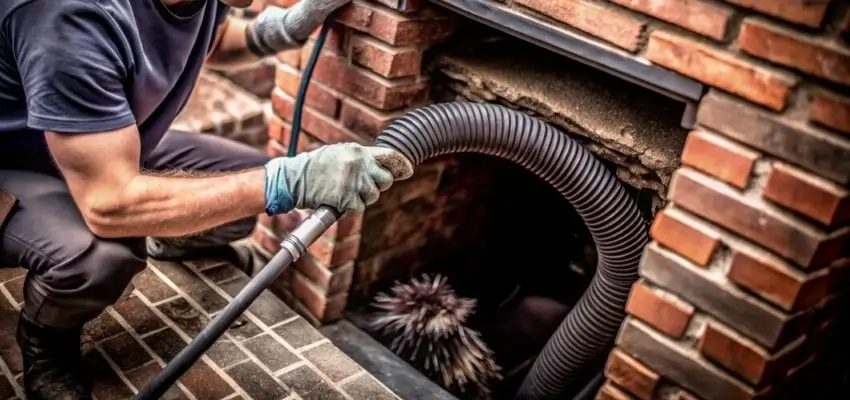
Flue last swept long ago? Chimney Cleaning in Abbotsford

Creosote cleared, flue inspected: Chimney Sweep for Abbotsford
From roof cap to firebox, Chimney Sweep Services in Abbotsford
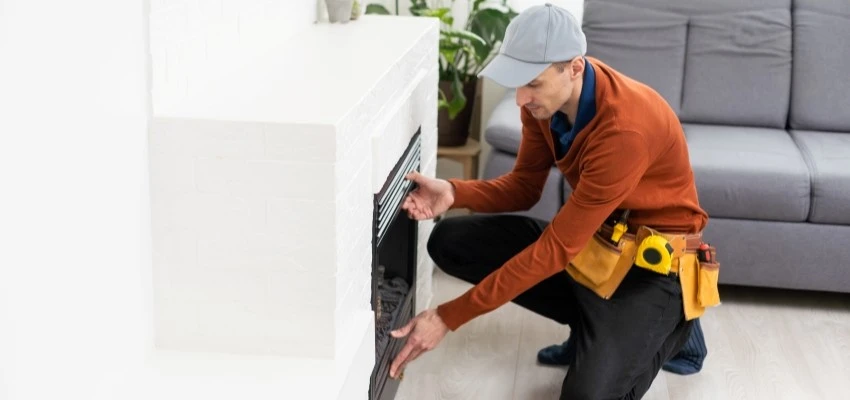
Ready for the season with Fireplace Experts in Abbotsford
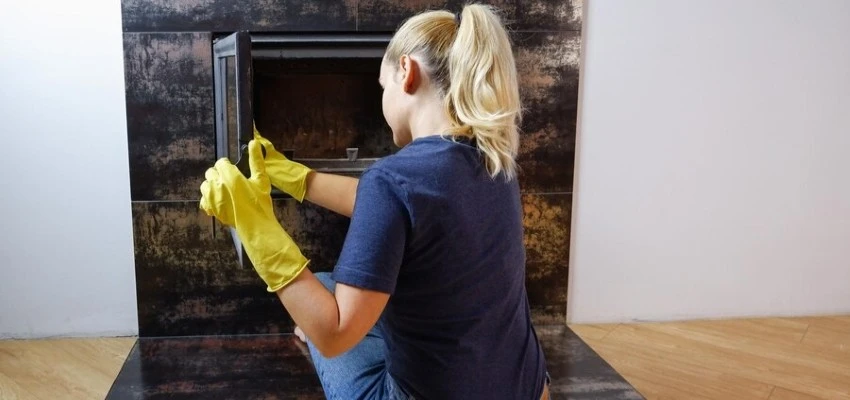
Control area vacuumed during Gas Fireplace Cleaning
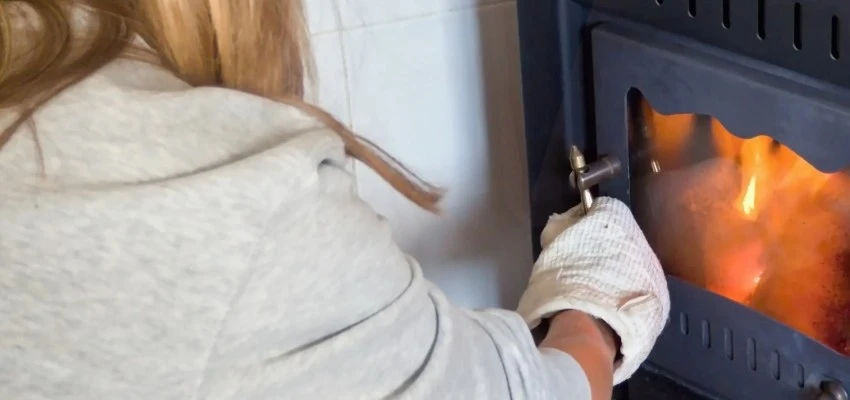
Yearly Gas Fireplace Maintenance in Abbotsford, before the cold arrives