Short on time? The essentials of fireplace repair fit on a single page, and this is it. Each answer opens with the direct reply and then adds the practical detail homeowners in Abbotsford tend to need: what causes a problem, what a visit fixes and what you can do between visits. If “fireplace fixing services” is what you typed, start with the questions closest to your situation and skip the rest.

Repairing is usually worth it, because the costly parts of a wood-burning setup, such as the chimney and the masonry around a fireplace, are built to last a very long time. Worn mortar, a rusted damper, cracked firebrick and tired door gaskets are all fixable. Replacement starts to make sense when the main body is failing: a stove with a cracked or badly warped body, a factory-built fireplace whose metal box has rusted through, or masonry so damaged that rebuilding approaches the cost of starting over. A technician can lay out both paths with their pros and cons so you can compare them calmly.
Smoke spills when the house wins a tug-of-war with the chimney. A warm chimney pulls air upward; anything that weakens that pull lets smoke roll out of the opening instead. On calls like this we check the damper first, then look up the flue for blockages, then consider the house itself, because range hoods, dryers and tight windows can make the home pull harder than the chimney. Sometimes the opening is simply too large for the flue, or the chimney is too short for nearby rooflines. Each cause has its own fix, from a smoke guard to a taller flue or a better air supply.
A rebuild makes sense when patching would only buy a little time, and the telltale picture is easy to recognize: open joints across the back wall, bricks that shift when pressed and old repair mortar flaking away in layers. The work starts with careful demolition, taking out the damaged firebrick while protecting the damper and smoke chamber above. We check the masonry behind for heat damage, then set new firebrick with thin joints of refractory mortar, keeping the original shape so the fire draws as before. Factory-built fireplaces are different: they use refractory panels, replaced with parts made for that unit.
Repair quotes differ mostly because of scope, materials and access. Scope is the big one: replacing a damper handle and rebuilding a back wall are very different jobs. Materials matter because refractory mortar, firebrick and heat-rated tile are not the same as everyday masonry supplies, and matching a decades-old surround takes searching. Access matters when the problem sits high in the chimney or above a steep roof. When two quotes are far apart, one company is often fixing only the visible symptom while the other also fixes the cause. Asking each to explain what they found usually clears it up.
Most fireplace repairs take from a few hours to a full day of work, while bigger jobs such as a firebox rebuild or major chimney work can stretch over several days. The schedule also depends on dry weather for anything done on the roof, on how quickly specific parts or matching materials can be found, and on cure time for mortar. Masonry repairs usually need a waiting period before the first fire, so the fireplace may be out of use a little longer than the work itself. Booking repairs outside the burning season keeps that downtime out of the way.

Most repair quotes start with an inspection, because the visible damage rarely tells the whole story. After looking at the firebox, damper, flue and chimney exterior, the company writes a scope that lists each repair, the materials it plans to use and any cure time involved. Good quotes separate required work from optional improvements and explain how unexpected damage would be handled. When comparing “fireplace fixing services” offers, make sure each one covers the same items, since a lower figure can simply mean less work. Ask for photos of the problems so you can follow the reasoning yourself.
Plan for a longer, busier visit than a sweep. Clear the room around the fireplace, not just the hearth, since masons need space for mixing tubs, tools and material. Move valuables and electronics out of the room or cover them, and expect some noise from chiseling and cutting. Let the company know where an outdoor water tap and a power outlet are, and leave room in the driveway for a vehicle and materials. If the work involves the chimney top, keep the yard below clear. Pets and children are happier elsewhere while the work goes on.
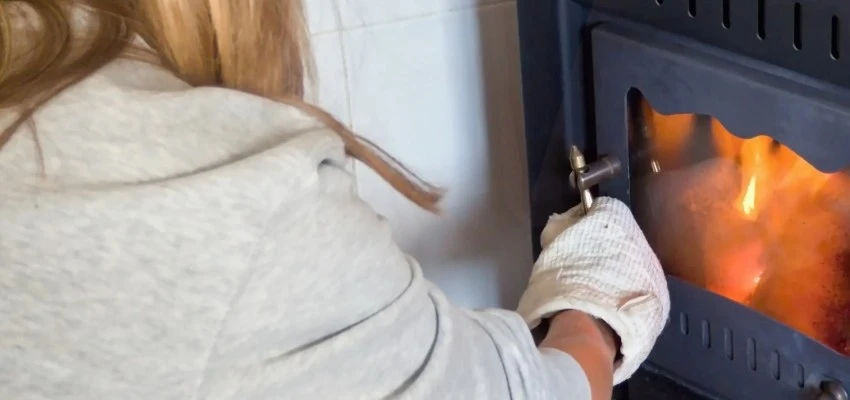
It varies with the material, and we give every customer a specific answer before we leave. Mortar holds moisture after it is laid, and a roaring fire drives that water out too fast, which can crack fresh joints or pop new firebrick. That is why we suggest waiting through the full cure period and then building a few small, short fires to bring everything up to temperature gradually. Stove repairs follow the same idea on a smaller scale: a new rope gasket, for example, settles in over a couple of gentle burns. Caps, screens and dampers can be used immediately.
Ask for evidence and a written scope, and get a second opinion when the work is large, such as a new liner, major masonry or chimney work, or replacing a stove. The first company should provide photos or camera footage, a plain description of the problem and a list of what will be removed, rebuilt or replaced. A clear quote names the materials, explains how the cause of the damage will be addressed and states what is not included. If two companies disagree, ask each to explain its reasoning; the one that can show you the problem usually deserves more weight.

Not every issue makes a noise or a smell before it grows. A routine look at your fireplace is the simplest way to find out where things stand. Call (778) 909-5649 and book fireplace repair with the Chimney Sweep Abbotsford team.
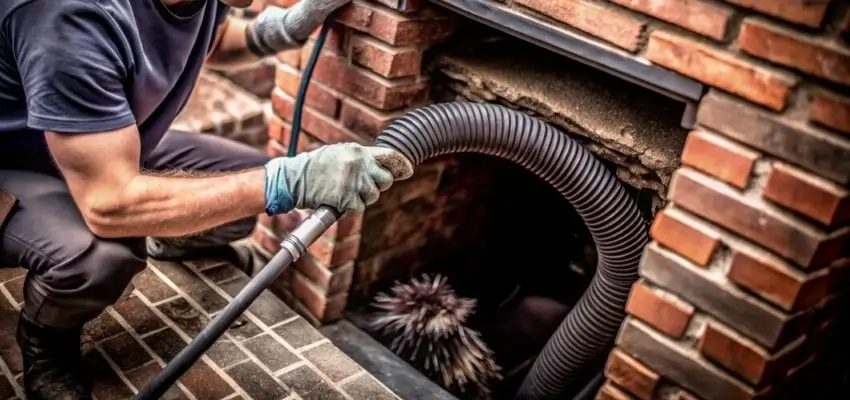
Flue last swept long ago? Chimney Cleaning in Abbotsford

Creosote cleared, flue inspected: Chimney Sweep for Abbotsford
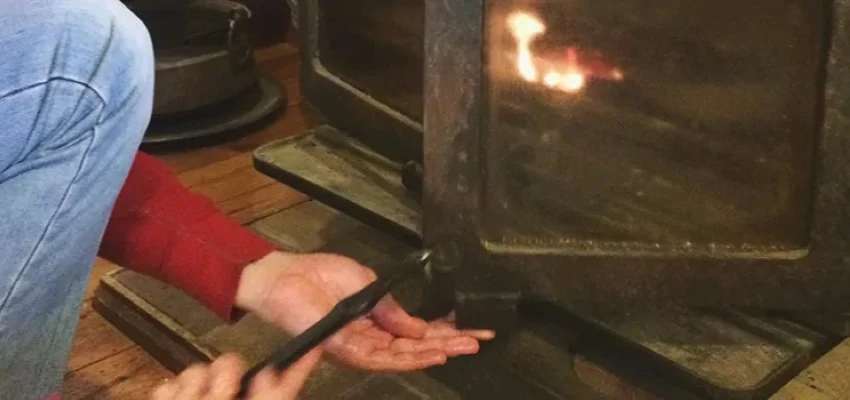
From roof cap to firebox, Chimney Sweep Services in Abbotsford
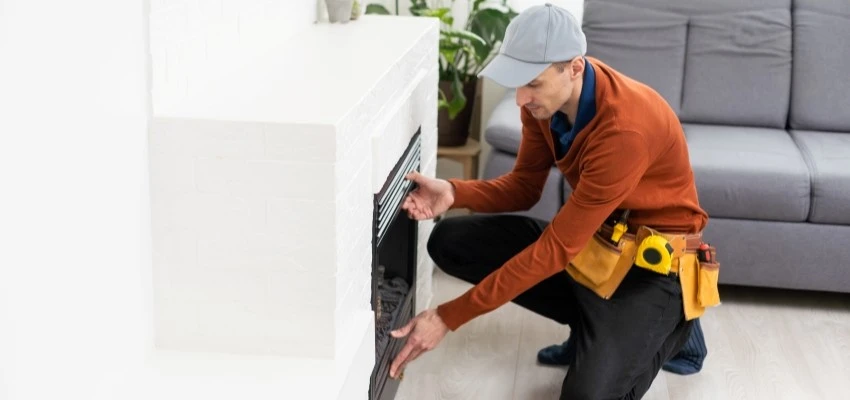
Ready for the season with Fireplace Experts in Abbotsford
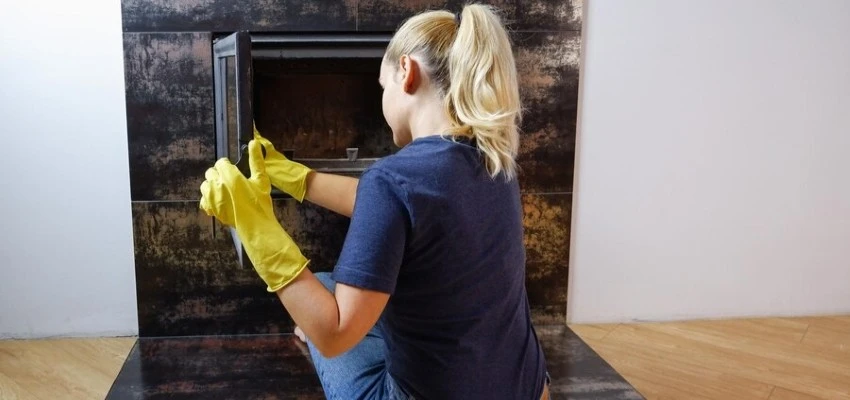
Control area vacuumed during Gas Fireplace Cleaning
Yearly Gas Fireplace Maintenance in Abbotsford, before the cold arrives