Much of a fireplace is hidden from view. Above the opening sit the throat, the damper and the smoke chamber; around it sit the surround, the hearth and the mantel. Homeowners in Abbotsford who search for “fireplace firebox services” are usually dealing with one of these areas and wondering how the others relate to it. The answers here connect the pieces and explain how firebox repair fits into the bigger picture of a fireplace that is both safe and good to look at.

The firebox is the chamber where the fire actually burns: in a masonry fireplace, walls and a floor of firebrick set in refractory mortar; in a factory-built unit, a metal box lined with refractory panels. It takes more heat than any other part of the fireplace, so it wears first. Typical problems are cracked or flaking bricks, eroded mortar joints, a bulging back wall and, in factory-built units, cracked or crumbling panels. Anyone researching “fireplace firebox services” should know which type they have, since the repair methods for brick and panel fireboxes are quite different.
Usually, yes, as long as the structure behind the visible parts is sound. A fireplace that drafts well and has a solid firebox can often be refreshed or repaired with far less disruption than a full replacement, and the room gains a working focal point again. The value depends on the condition of the masonry, the damper and the chimney, how often you plan to use it and whether the work fixes a safety issue or is mainly cosmetic. Start with an inspection, then choose between cosmetic, repair and conversion work with a clear picture of what each involves.
Heat cycling does most of the damage, with help from moisture and knocks. Every fire expands the face of the brick faster than its back, and over many seasons that stress opens cracks. Water from a missing cap or a damaged crown soaks into the brick and freezes or turns to steam, which flakes the surface away. Grates jammed against the back wall and heavy logs tossed in chip the edges. When we inspect, we tap and probe: a cracked brick that is still tight gets noted, while one that moves, or a joint we can rake out with a finger, gets repaired.
Because what we find inside often changes the plan, every project should begin with an inspection. A makeover quote means little if the firebox behind it is cracked, and a gas conversion depends on the condition of the flue it will vent through. We look at the masonry joints, the damper and its frame, the smoke chamber walls above it and the liner or flue tiles, and we measure the opening. Then we tell you what the existing fireplace can support. Doing this first also avoids the worst outcome: covering damage that someone later has to tear out again.
A factory-built firebox is repaired with parts made for that model rather than with bricks and mortar. Its refractory panels slot or screw into a steel shell, and when they crack through, crumble or go missing, they are replaced as a set or individually using the panels listed in the manual. The steel behind them is checked for warping, rust or burn-through, which can mean the unit is near the end of its life. Universal patches and loose firebricks should not be wedged into these units, because they change how heat moves through a tested system. Your firebox repair visit starts by reading the model label.

The cost depends mostly on the scope of work, the materials and what turns up once old surfaces come off. A simple refresh with paint or a new mantel shelf costs far less than full stone refacing, a gas conversion or rebuilding a firebox. Material choice matters too: natural stone, custom millwork and specialty tile cost more than standard options. Access, the size of the fireplace and any hidden damage add time, while gas work, liners and venting add parts. A clear, itemized quote that separates repairs from finishes makes options much easier to compare.
The ideal start is an empty room around a cold fireplace. We need space to set up dust protection, a route for heavy materials such as stone or a mantel and somewhere to mix or cut outside. Take down pictures or a TV mounted above the opening, since vibration from chipping can loosen them. Let us know about alarms, pets and parking. If a gas line is involved, the gas technician may need access to the meter or the basement. Final finish choices, like grout color or stain, should be settled before day one so the job does not stall.
We give every customer a first-fire date, and it is set by the slowest-curing material in the job. Fresh mortar and refractory products hold water, and heating them too fast turns that water to steam inside the joint, which can crack it before it has hardened. So after firebox, throat or smoke chamber work, we recommend a few small fires before a full one. Tile and stone surrounds have their own adhesive cure times. Gas units are lit and tested on installation day, then left ready to use. Call us if anything looks or smells unusual during those first fires.
Local contractors know the housing stock, the common fireplace designs and the suppliers nearby, which makes planning and follow-up easier. Builders in the same neighborhoods often used similar fireboxes, dampers and surrounds, so a company that works the area has usually seen your setup before. Nearby crews can also return quickly when a project spans several visits for curing or materials. Before hiring, confirm the company works in your area directly, ask for local examples of similar work and check how it handles questions after the job is done.

Many homeowners like to schedule this before the busiest heating or cooling months, when everything is about to work hardest. If that sounds like a sensible plan for your home in Abbotsford, reserve a visit with Chimney Sweep Abbotsford and we will confirm a time with you.
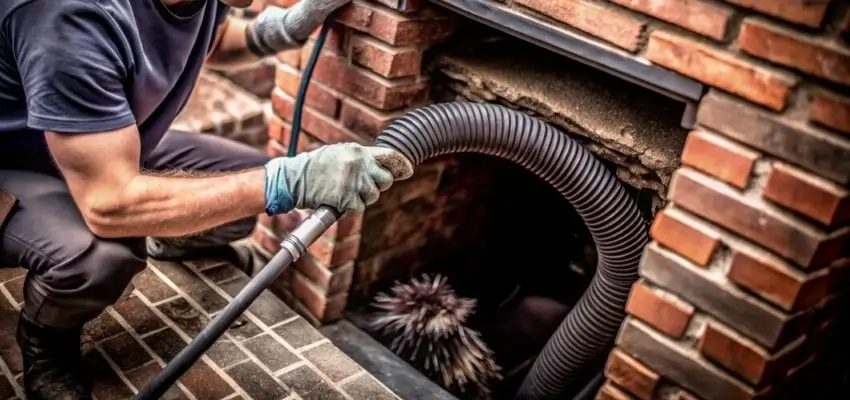
Flue last swept long ago? Chimney Cleaning in Abbotsford
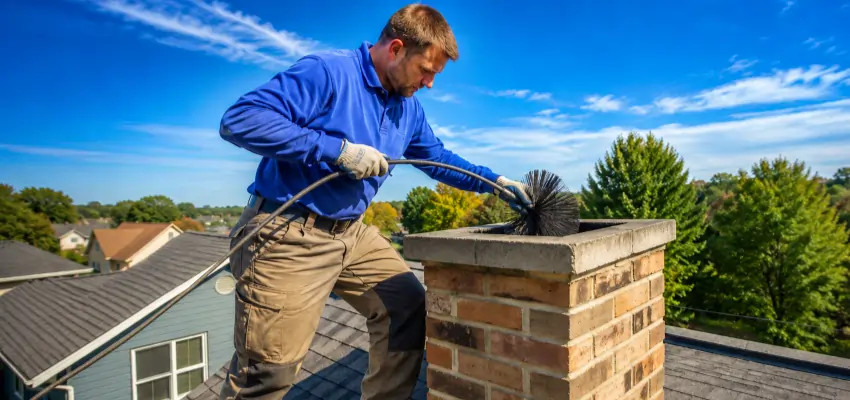
Creosote cleared, flue inspected: Chimney Sweep for Abbotsford
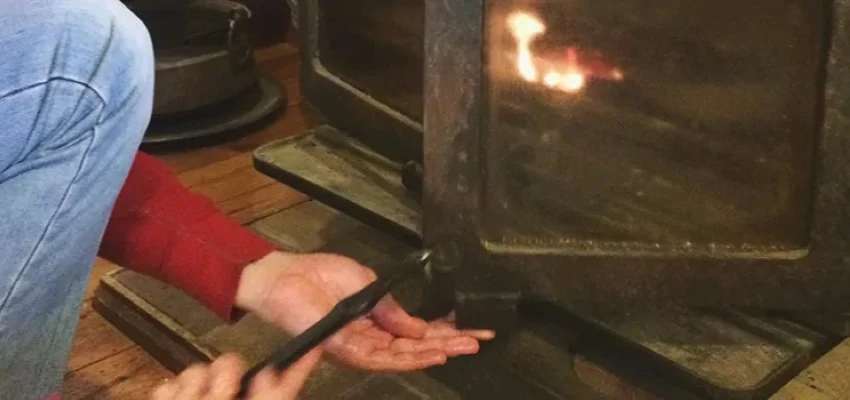
From roof cap to firebox, Chimney Sweep Services in Abbotsford
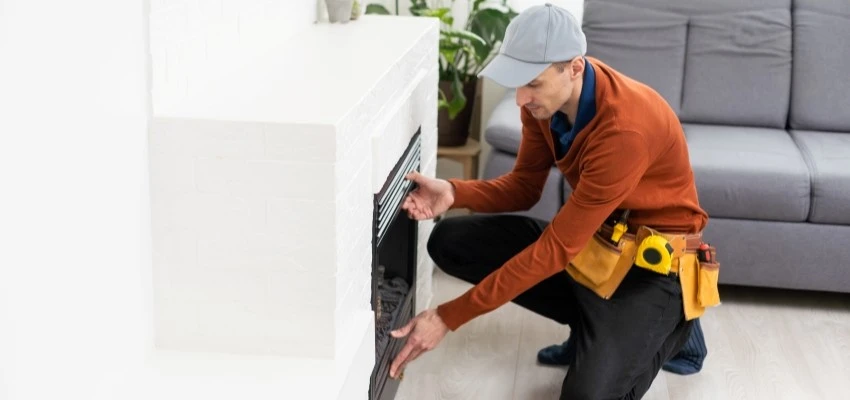
Ready for the season with Fireplace Experts in Abbotsford
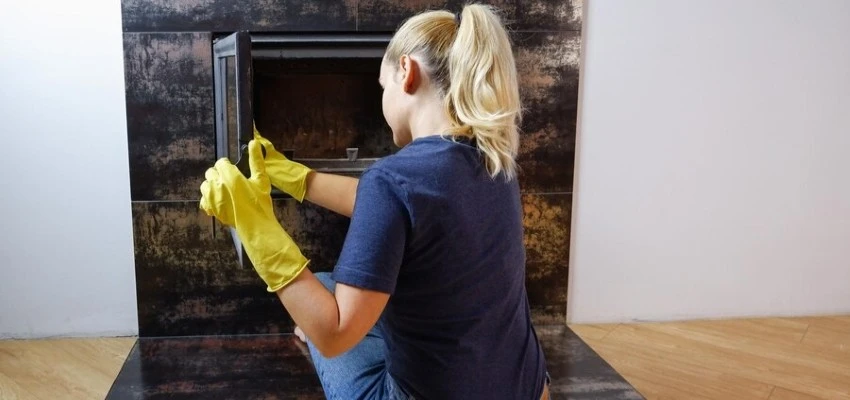
Control area vacuumed during Gas Fireplace Cleaning
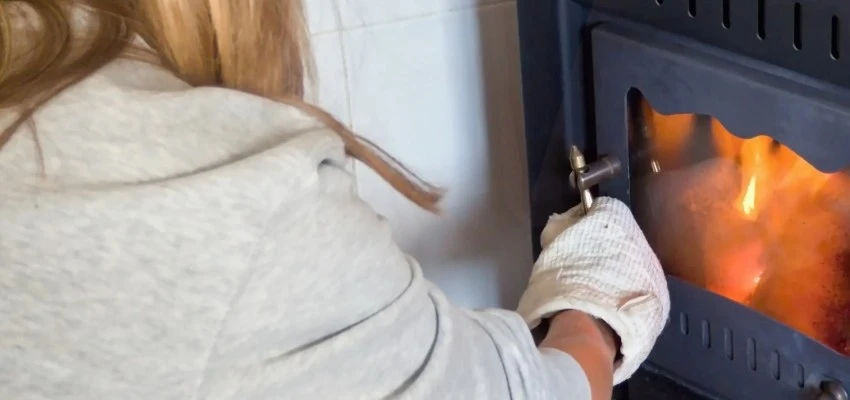
Yearly Gas Fireplace Maintenance in Abbotsford, before the cold arrives