Before anyone picks up a hammer or a trowel, a fireplace project needs a plan, and that plan starts with understanding the fireplace you already have. People in Abbotsford who look up “fireplace conversion services” will find that groundwork laid out below: clear answers about fireplace conversion, the checks that should come first and the questions worth putting to any contractor you are considering. Read what applies to your home and skip the rest.

Conversions fall into three families, and the first thing we ask is whether you want heat or atmosphere. A sealed gas insert is the heating choice: it slides into the masonry opening, connects to a new liner and runs from a thermostat or remote. Vented gas logs are the atmosphere choice, with a realistic flame but much of the warmth going up the chimney. A complete built-in gas fireplace makes sense when the old firebox is damaged or the room is being remodeled anyway. Whatever the route, the gas line and connection are installed by a qualified gas technician.
It depends on what kind of fireplace it is. A factory-built gas fireplace or a gas insert cannot burn wood, because it was designed and tested only for gas; it would have to be removed and replaced with a unit made for wood. A masonry fireplace that simply has gas logs in it can usually return to wood burning once the logs are taken out, the gas line is capped by a qualified gas technician and the chimney is inspected and swept. People researching “fireplace conversion services” often ask this before deciding, and it is a fair question to raise early.
Converting makes sense when you want a fire with less effort: no wood to store, no ashes and a flame at the push of a button. It also suits fireplaces that smoke, draft poorly or need masonry repairs that would cost more to restore for wood burning. If you rarely use the fireplace because of the work involved, a conversion often changes that. It makes less sense if you enjoy wood fires, rely on wood as backup heat or have no practical gas supply. Weigh how often you will use it, whether you want heat or just looks and the condition of the chimney.
We protect the room with floor coverings, sealed openings and a contained work area, and the setup takes time on purpose because masonry dust travels. The floor is covered from the door to the hearth, plastic is taped around the fireplace opening and, for messy demolition, we build a small enclosure so dust stays in one spot. Cutting is done with dust collection where the tools allow, and mixing happens outside or on protected ground. At the end of each day we vacuum and tidy. Some fine dust can still escape on a demolition day, but it should be minor.
Small repairs, such as replacing a few firebricks or fixing a damper, often take a single visit, while refacing, mantel work or a conversion can take several working days spread over a week or two. Masonry and mortar need time to cure before the fireplace is used, and some finishes must set before the next layer goes on. Ordering stone, tile, a mantel or a gas insert can add weeks before work starts. Ask for a schedule that shows working days, waiting time for curing or materials and the earliest date you can light a fire again.

Yes, a gas conversion needs a gas supply at the fireplace, and running it is work for a qualified gas technician. If the house already has natural gas, the technician checks whether the existing supply can handle the extra appliance and plans a route for the new line. Homes without natural gas may be able to use propane with a tank and an appliance set up for it. Ask about it early when you request quotes after searching for “fireplace conversion services”, since the gas line can be a significant part of the job and sometimes needs a permit.
Sometimes, and the deciding factors are gas, structure and venting. Cosmetic work on the outside of the fireplace rarely triggers a permit. Connecting a gas line, installing an insert with a new liner or rebuilding part of the firebox or chimney often does, depending on the rules where the house sits. Whoever does the work should know which applies and say so clearly in the quote. If a permit is needed, ask who will apply, who will be present for any inspection and whether the price includes it. Skipping this step can cause trouble later, for example when you sell the house.
Ask the contractor for a specific date, because it depends on the materials used. Mortar, refractory cement and some adhesives need time to cure before they face heat, and lighting a fire too soon can crack fresh joints or loosen new finishes. After masonry work, the first fires are usually kept small to drive out remaining moisture gradually. Gas conversions are tested by the installer before handover. Keep the first few fires modest, watch for smoke in the room and make sure your smoke and carbon monoxide alarms work.
When homeowners show us competing quotes, the gap usually comes from scope. One quote may cover a new surround but say nothing about the cracked firebricks behind it; another includes the repair and the curing time. We suggest laying them side by side and asking three questions of each: what exactly is being fixed, what exactly is being installed and what happens if something unexpected turns up when the old finish comes off. Clear, specific answers point to a contractor who has thought the job through. Vague ones usually mean extras later.
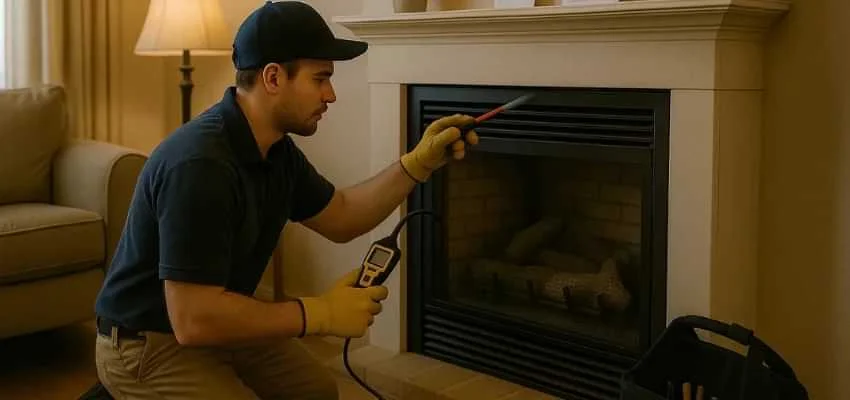
Moving brings a long list of unknowns, and the condition of your fireplace is one of them. A visit from Chimney Sweep Abbotsford replaces guesswork with a clear picture. Schedule fireplace conversion as part of settling in.
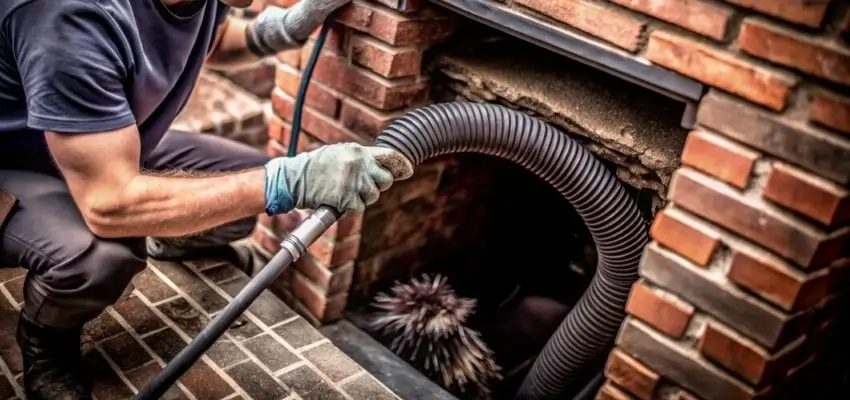
Flue last swept long ago? Chimney Cleaning in Abbotsford

Creosote cleared, flue inspected: Chimney Sweep for Abbotsford
From roof cap to firebox, Chimney Sweep Services in Abbotsford
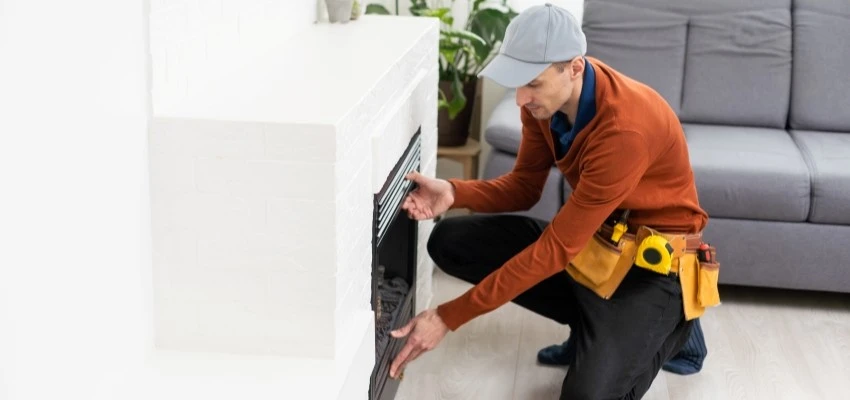
Ready for the season with Fireplace Experts in Abbotsford
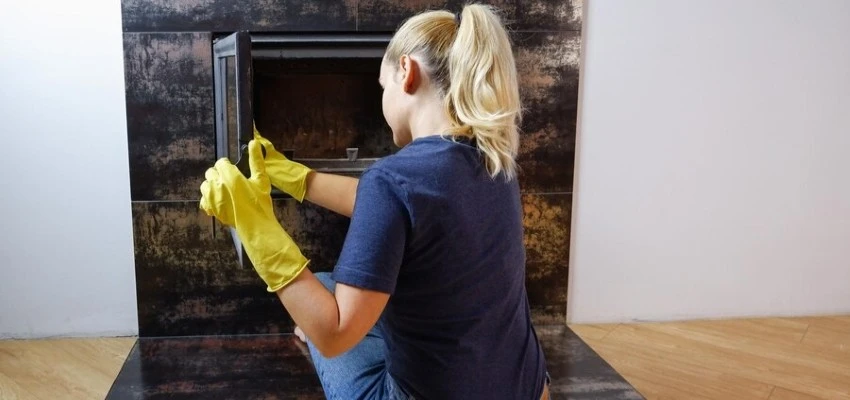
Control area vacuumed during Gas Fireplace Cleaning
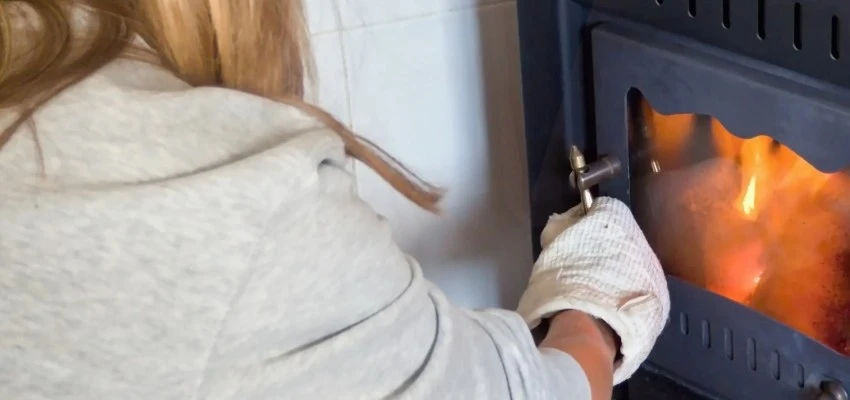
Yearly Gas Fireplace Maintenance in Abbotsford, before the cold arrives