Maybe the dryer is fine and you are just curious. Maybe the clothes come out damp, or there is a smell you cannot quite place. Either way, looking up “dryer vent cleaning” makes sense, and one simple rule sorts most homes in Abbotsford into the right group. A single slow load is rarely a concern. Loads that keep taking longer, a cabinet that feels hot to the touch or a scorched smell near the machine are the signs worth acting on, and a good moment to ask about dryer vent service.

Rigid metal is the safer pick, and in the field the duct material also tells us a lot about how a vent has been treated. Rigid aluminum or galvanized pipe with taped joints usually comes out with a light, even film of lint. Accordion foil tells a different story: lint packs into every fold, low spots sag and hold moisture, and the hose is often squashed flat against the wall. For the short link behind the dryer, a semi-rigid metal transition is a reasonable compromise because it bends without collapsing. For the run through walls and ceilings, we prefer solid metal pipe wherever the layout allows it.
A humid laundry room usually means the moist air from the dryer is not making it outside. That can happen when the vent is clogged, when the connector hose has slipped off behind the machine or when the outside flap is stuck. In colder months, warm exhaust can also condense inside a long or uninsulated run, leaving droplets or damp lint in the duct. Check that the hose is attached at both ends and that the flap opens. If you see water dripping from the vent or rust stains on the duct, have the run looked at, since trapped moisture makes lint cling and can damage nearby drywall.
At Chimney Sweep Abbotsford, our process follows the air. We start at the dryer, checking the outlet and the transition, then work along the duct with a flexible rod and a brush head sized to the pipe while a vacuum or blower carries the debris away. Tight elbows get extra passes because that is where lint compacts. At the exterior we clear the hood and make sure the flap moves freely. Before and after cleaning, we test airflow at the termination, which gives us a simple way to show the improvement. If we spot damage along the way, we point it out rather than quietly working around it.
Mostly lint, but rarely only lint. A typical haul is gray fluff mixed with pet hair, often packed into felt-like plugs at the elbows. Damp vents give up a sticky paste of fibers and dryer-sheet residue. Other finds include coins, hair ties and small items that slipped past a torn screen, twigs and grass from a nest and the odd insect at the outside hood. The debris tells a story: a heavy, dry layer points to a long gap since the last cleaning, while wet clumps hint at condensation. Ask to see what came out after your “dryer vent cleaning” visit, since it helps set the next date.
We tell most households to plan on yearly cleaning and then adjust based on what we find. If we pull a thick layer of lint out of the duct after twelve months, that home should come back sooner. If the run is short and only lightly coated, stretching the interval is reasonable. Laundry volume is the biggest factor, followed by vent length, the number of bends and how much pet hair or towel fluff goes through the machine. Writing down the date of each cleaning, with a note about how much came out, makes the right schedule easy to see.

Yes, though usually less often than a long one. A vent that goes straight through the wall behind the dryer carries lint out efficiently, so the duct itself may stay fairly clear. The weak points simply move: the connector behind the machine gets crushed when the dryer is pushed back, and the outside hood collects fluff where the air slows against the flap. Short vents near ground level are also easy targets for nesting birds. Glancing at the flap every few months and booking dryer vent service when drying times creep up keeps a short run working well without paying for visits it does not need.
We do need someone on site for the indoor part, which is most of the job. The dryer has to be moved, its connection checked and the machine run afterward to confirm airflow, and we prefer to do that with the owner or a trusted adult present. The outside hood can sometimes be cleaned while you are out, but only that part. At the end, we like a short conversation about what came out of the duct and anything we noticed. That chat is often the most useful few minutes of the visit for homeowners deciding what comes next.
Honestly, a careful homeowner can keep a short vent in decent shape between our visits. Where DIY goes wrong is on long or hidden runs. We regularly find brush heads stuck halfway up a duct, joints pulled apart by an overenthusiastic drill and lint packed tighter by a brush pushed in from the wrong end. Gas dryers add the risk of straining the supply connection when the machine is moved. Our advice: handle the screen, the slot and the outside hood yourself, and call a professional for the duct itself, especially if it has more than a couple of bends.
Working the same area week after week teaches us a lot. We learn which subdivisions have long basement runs, which townhouse rows vent through the roof and which older homes still have foil hoses tucked behind the wall. That knowledge makes quotes more accurate and visits quicker. It also means we are nearby if you have a question later or want us to take another look. When you call Chimney Sweep Abbotsford, you are talking to people who work on homes like yours in Abbotsford, not a call center routing jobs to whoever is free.

After the visit you get a short summary of what we found, what we did and anything worth planning for later. It makes future decisions about your dryer vent much easier. Book with Chimney Sweep Abbotsford and keep it on file.
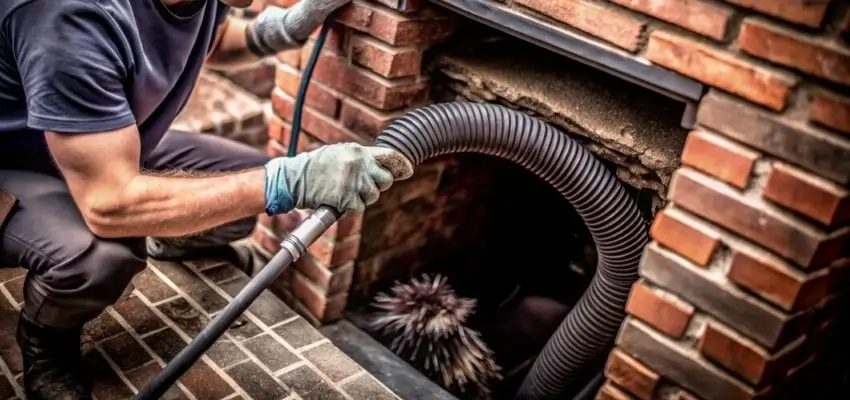
Flue last swept long ago? Chimney Cleaning in Abbotsford

Creosote cleared, flue inspected: Chimney Sweep for Abbotsford
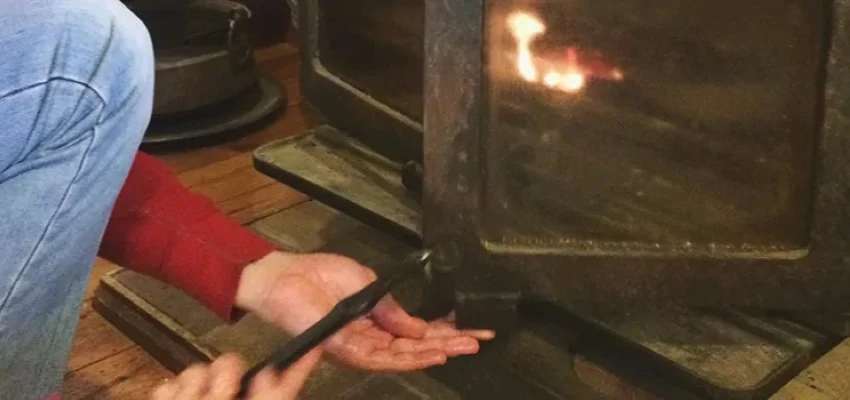
From roof cap to firebox, Chimney Sweep Services in Abbotsford

Ready for the season with Fireplace Experts in Abbotsford
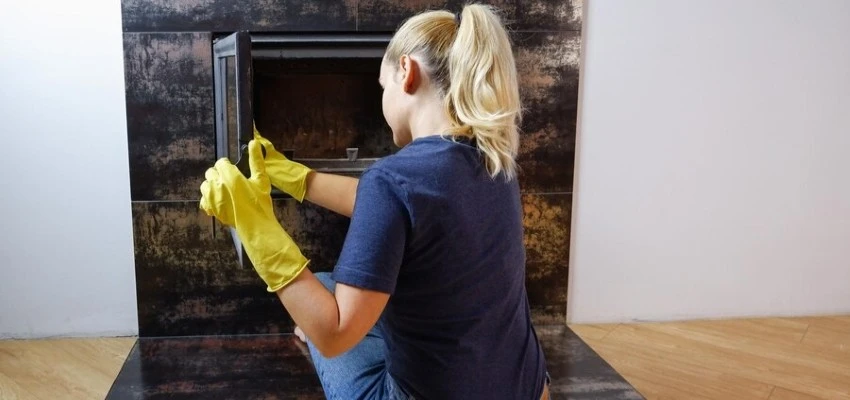
Control area vacuumed during Gas Fireplace Cleaning
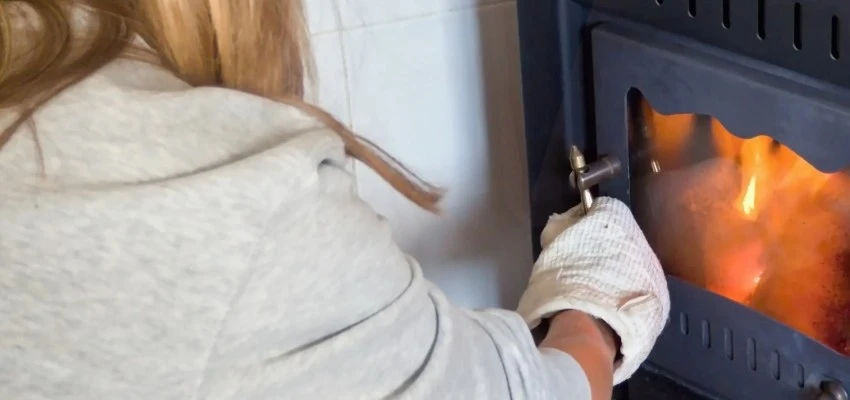
Yearly Gas Fireplace Maintenance in Abbotsford, before the cold arrives