Chimney work is one of those services where it pays to understand the basics before anyone quotes you a price. A little background makes every conversation with a technician easier and every recommendation easier to weigh. This page offers that background for readers in Abbotsford who searched for “creosote removal”, with plain explanations of creosote removal and the reasoning behind the advice you are likely to hear.
Gas leaves far less buildup than wood, so a chimney serving only gas needs much less cleaning, but it still needs a regular check. Creosote is rarely the issue. The risks are different: nests, leaves and fallen debris can block the opening, and the water vapor in gas exhaust can wear down masonry and old liners over time. A blocked or damaged flue can push carbon monoxide back indoors, so keep working CO alarms on every level. Leave burners, valves and pilots to a qualified gas technician, and if you ever smell gas, leave the building and call your gas utility from outside.
A chimney needs sweeping because every fire leaves deposits inside the flue, and if they are never removed they turn into a fire hazard and an obstruction. The main culprit is creosote, a tarry residue from wood smoke that burns hot and fast once it ignites. Buildup also narrows the passage, so smoke drifts back into the room and fires get harder to start. A swept flue drafts better, smells less and gives whoever cleans it a clear view of the liner, damper and cap, which is often how cracks, rust and loose parts are caught while they are still small.
Smoke comes back into the room when the chimney cannot pull it upward fast enough, and the usual causes are a cold flue, a partly closed damper or a house that is short of air. Make sure the damper is fully open and start with a small, hot kindling fire so the flue warms gradually. Kitchen and bathroom fans can draw air down the chimney, so switch them off and open a nearby window slightly. Wet wood produces heavy smoke too. If smoke still spills in after those changes, a blockage or a problem with the chimney itself needs a professional look.
With the fire completely out and the firebox cold, open the damper and shine a strong flashlight up the flue, wearing safety glasses in case flakes fall. Look at the color and texture of the walls: a thin, dull, dusty coating is light buildup, crusty black flakes mean it is time to book, and a shiny, tar-like glaze calls for prompt attention. Check the top of the damper and the smoke shelf too. Stoves can be checked at the pipe joints and through the door. If what you see worries you, arrange “creosote removal” before the next fire.
Hardened, glazed creosote is usually removed with rotary tools that scrape the flue wall, with chemical products that soften it over several fires, or with both, because an ordinary brush simply slides over its glassy surface. It forms when cool, smoky fires leave layer after layer of tar that bakes hard. Removal often takes more than one visit, and you may be asked to burn a few fires after a chemical application before the technician returns to finish. Sometimes the glaze is so thick, or the liner so damaged beneath it, that replacing the liner is the more sensible option. Ask for photos before and after.
Yes, and for heavy wood users a mid-season cleaning is often a smart move. The fireplace or stove simply needs to be out and cool for the visit, so plan on skipping fires for a day beforehand. Many households that heat mainly with wood schedule one sweep before winter and another partway through, especially if they notice flakes falling or a weaker draft. There is no reason to keep burning on a dirty flue just because the season is under way. Ask about creosote removal availability early, since midwinter calendars can still be busy.
From the scheduling side, spring and summer give owners the most choice and give us time to handle repairs before the cold arrives. A flue swept right after the last fire of the season also smells better through the muggy months. The rush starts with the first chilly week of fall, and calendars around Abbotsford fill quickly from there. For businesses with fireplaces or ovens, quieter stretches of their year are usually easier for access as well. We sweep in every season, though. The right time is whenever a problem shows up, and otherwise a fixed month you will remember each year.
Some owners do sweep their own chimneys, but we see enough DIY mishaps to suggest leaving the flue to a professional. Wire brushes can scratch stainless steel liners, and rods pushed from below without a vacuum spread soot through the room. Falls from roofs are a real risk. Sweeping logs can make loose creosote flakier so it drops more easily, which helps between visits, yet the debris still has to come out and the flue still needs a look. The parts we encourage owners to handle are good burning habits and visual checks; cleaning and inspecting are where trained eyes and proper tools pay off.
We recommend CO alarms on every floor of every home we work in, including one near the bedrooms, because a chimney is a safety system and alarms are its backup. Even a well-swept flue can be blocked overnight by a nest or a fallen tile, and a fireplace can spill fumes when exhaust fans pull against it. We also suggest a smoke alarm in or near the room with the fireplace or stove, placed as its maker directs rather than right above the hearth, and a fire extinguisher within reach. If your alarms are older than anyone can remember, replacing them is a small job with a large payoff.
Whether you want to book now or just gather information first, we are glad to help. Ask your questions about creosote removal, your chimney or the timing that suits you. Contact Chimney Sweep Abbotsford for homes across Abbotsford.
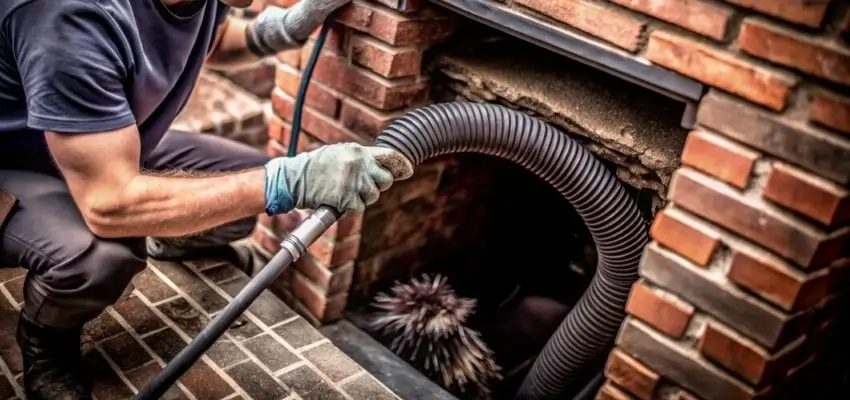
Flue last swept long ago? Chimney Cleaning in Abbotsford
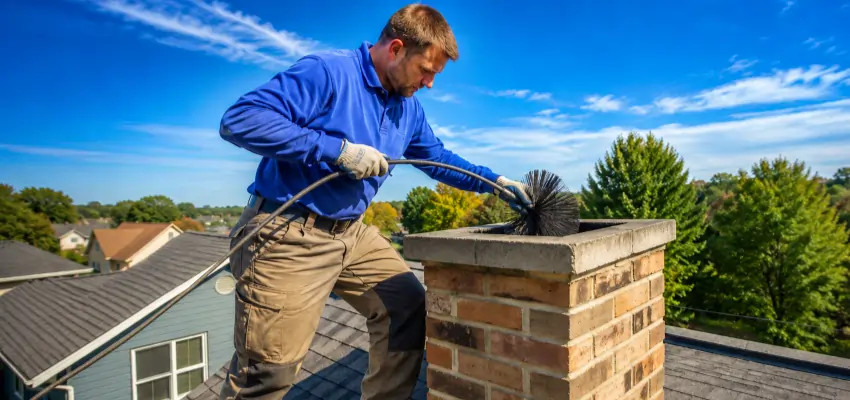
Creosote cleared, flue inspected: Chimney Sweep for Abbotsford
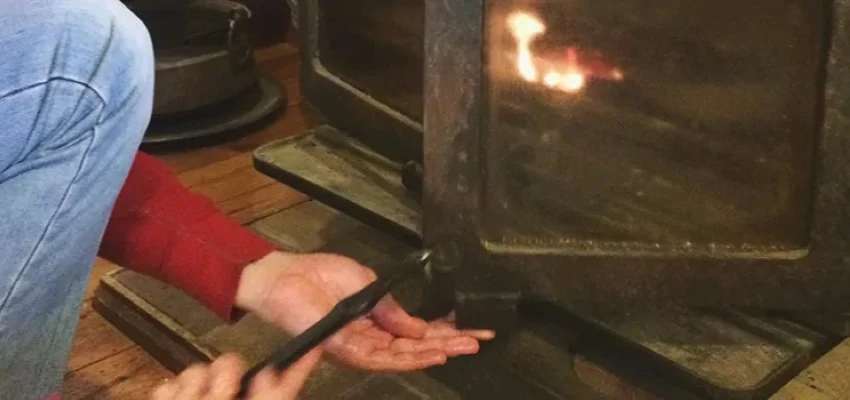
From roof cap to firebox, Chimney Sweep Services in Abbotsford
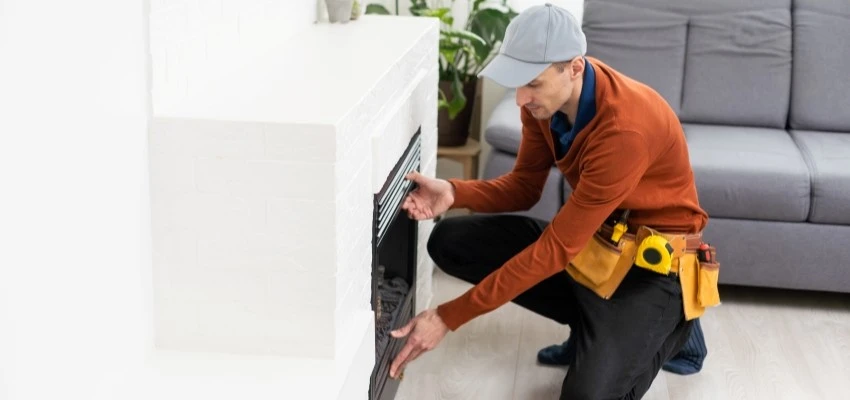
Ready for the season with Fireplace Experts in Abbotsford
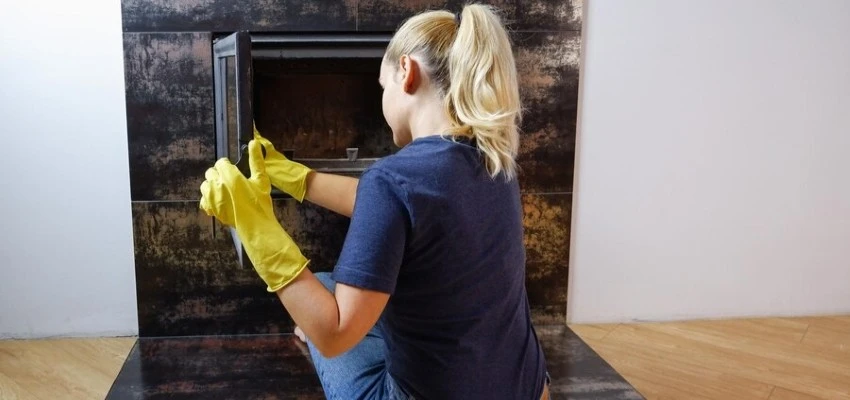
Control area vacuumed during Gas Fireplace Cleaning
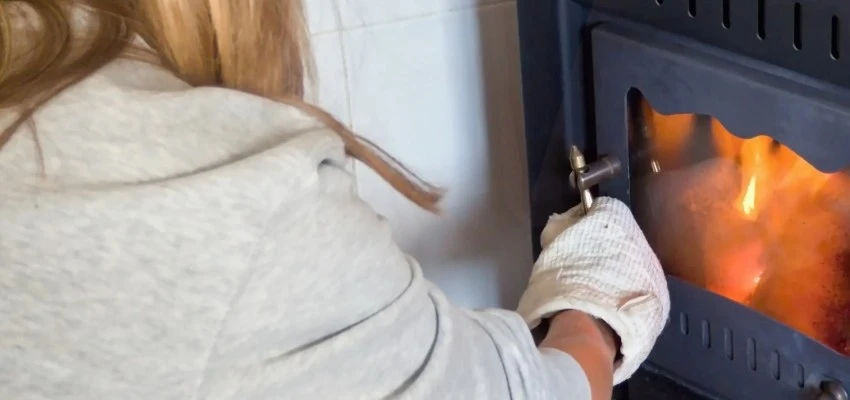
Yearly Gas Fireplace Maintenance in Abbotsford, before the cold arrives