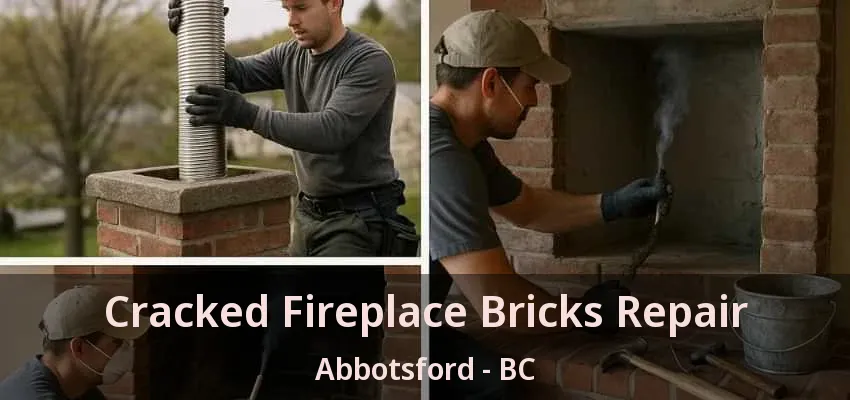
A fireplace is often the centerpiece of a room, which is why changes to it deserve some thought. Whether you are looking up “cracked fireplace bricks repair” to refresh a tired surround or to deal with damage you spotted inside the firebox, the answers below explain the work in everyday terms for homeowners in Abbotsford. You will find what firebox brick repair usually involves, what affects cost and timing and which parts of the job belong to specialists.
In most homes we see, yes, but the answer comes from inside the fireplace rather than its surface. A dated surround over a healthy firebox and a working damper is a good candidate for improvement. Cracked firebricks, a rough smoke chamber or a rusted damper are worth fixing in their own right, since they affect how safely the fireplace burns. Where we hesitate is when the chimney itself needs major rebuilding, because then the budget conversation changes. We look at the whole system first, explain what we find and let you weigh appearance against function.
Look for cracked or missing firebricks, gaps in the mortar joints, smoke that drifts into the room, a damper that sticks or will not close, rust or flaking metal and stains or cracks on the surround or mantel. Bits of mortar or brick in the ash, a strong odor after rain and drafts when the fireplace is cold are other clues. Any of these deserves a professional look, ideally before the next fire. Many homeowners also have the fireplace checked once a year, which catches small problems while they are still simple to fix.
Firebricks crack mainly from repeated heating and cooling, which expands and contracts the brick every time a fire burns. Very hot fires, fires built against the back wall, water from a leaky chimney and logs dropped onto the floor speed it up. Hairline surface cracks are common and often harmless, but cracks that go through the brick, loose or missing pieces and eroded mortar joints let heat reach the masonry and framing behind the firebox. Those need repair before the next fire. A technician can tell you which cracks are cosmetic and which are structural.
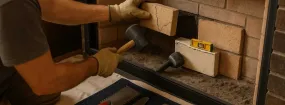
Most firebox damage is repaired by repointing worn joints and replacing cracked bricks, without rebuilding the whole firebox. Old, loose mortar is raked out and replaced with refractory mortar made for direct heat, since ordinary mortar breaks down quickly in a firebox. Bricks that are cracked through or crumbling are cut out and replaced with matching firebrick. When large areas are failing, or the back wall has bulged, a section or the full firebox lining is rebuilt. Afterward, the repairs need time to cure, and the first fires should be kept small.
Yes. Firebricks are made from refractory clays that tolerate intense, repeated heat, and they are usually denser and lighter in color than the bricks on a house wall. Ordinary building brick can crack, flake or break down when it faces a fire directly, so it should not be used to patch a firebox. The mortar is different too: firebrick is laid with refractory mortar in thin joints, because standard mortar crumbles under that heat. If a previous repair used regular brick or mortar inside the firebox, it is likely to fail again and is worth correcting during your firebox brick repair visit.
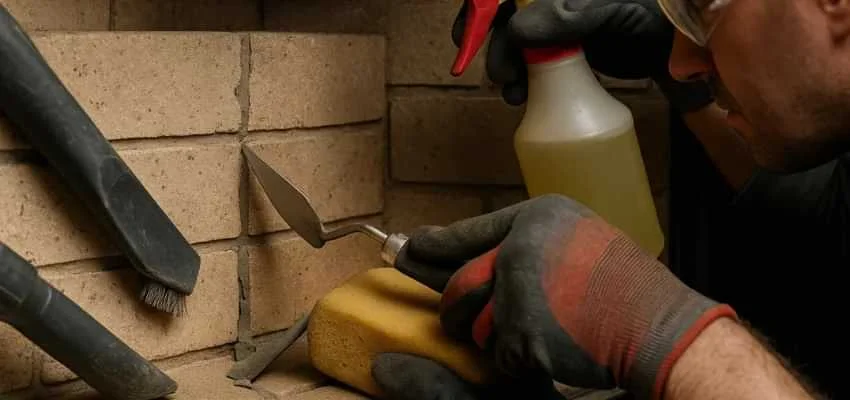
Often they can. When the damage is limited to a handful of bricks, a mason cuts out the cracked ones, cleans the cavity and sets new firebricks in refractory mortar, leaving the rest of the wall untouched. The new bricks will look cleaner than their neighbors at first, but soot evens out the color after some use. This targeted approach is usually quicker and less disruptive than rebuilding a wall. If you are comparing quotes for “cracked fireplace bricks repair”, check whether the price covers individual bricks, repointing the surrounding joints or both, since loose joints often travel with cracked bricks.
When we price fireplace work, we are estimating labor hours, materials and risk. Labor depends on how much needs to come apart, how tight the space is and whether the job calls for skilled masonry, carpentry or gas fitting. Materials range from inexpensive tile to heavy natural stone that needs extra support. Risk is the unknown: an old surround can hide damaged brick or framing that has to be fixed before anything new goes on. We explain up front how any extra work would be handled and priced, so a surprise behind the wall does not become a surprise on the invoice.
Clear the area around the fireplace well beyond the hearth: furniture, rugs, artwork above the mantel, screens, tools and anything on the mantel shelf. Stop using the fireplace a day or two before so the firebox is cold, and remove ashes if the crew asks you to. Plan a clear path from the door to the room and a spot to stage materials, such as a garage or driveway. If you are choosing finishes, have samples approved before the start date. Keep pets and children away from the work area and agree on where the crew can wash tools.
Most of what keeps a fireplace looking and working well happens between our visits. A yearly inspection is the backbone, because it catches mortar joints, damper parts and smoke chamber surfaces before they deteriorate. Day to day, the habits that matter are dry firewood, moderate fires and a hearth kept free of things that can scorch. New surrounds need little beyond gentle cleaning, though natural stone may benefit from occasional sealing if the supplier recommends it. On gas conversions, the yearly check shifts to the burner, ignition and venting. A short note after each visit helps everyone spot trends.
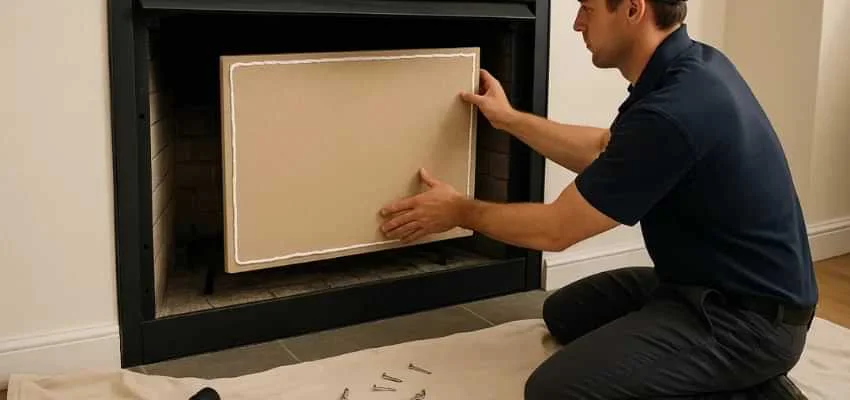
We work with people who live in their homes and with people who look after rental units around Abbotsford. Either way, you get a clear explanation of the work and what we found. Request a quote for one home or several and we will plan the visits with you.
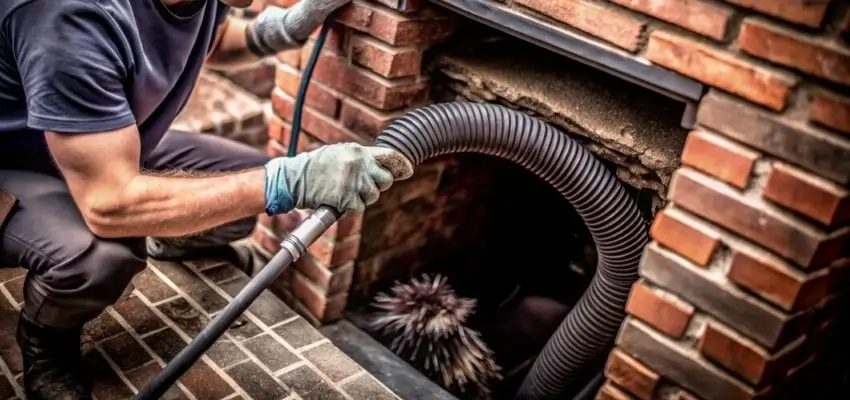
Flue last swept long ago? Chimney Cleaning in Abbotsford
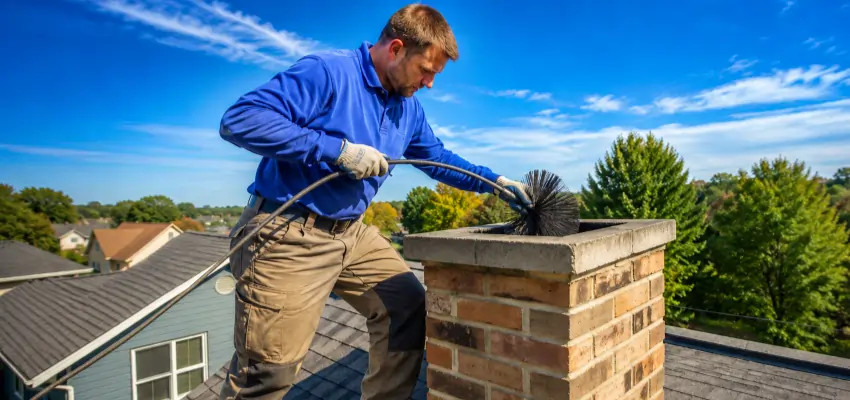
Creosote cleared, flue inspected: Chimney Sweep for Abbotsford
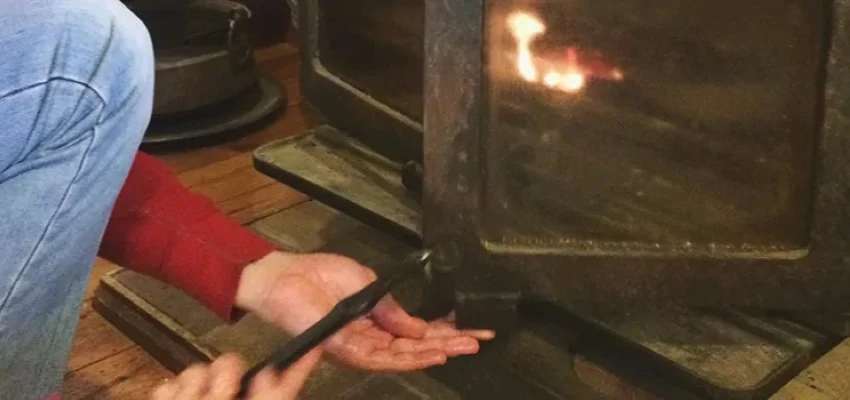
From roof cap to firebox, Chimney Sweep Services in Abbotsford
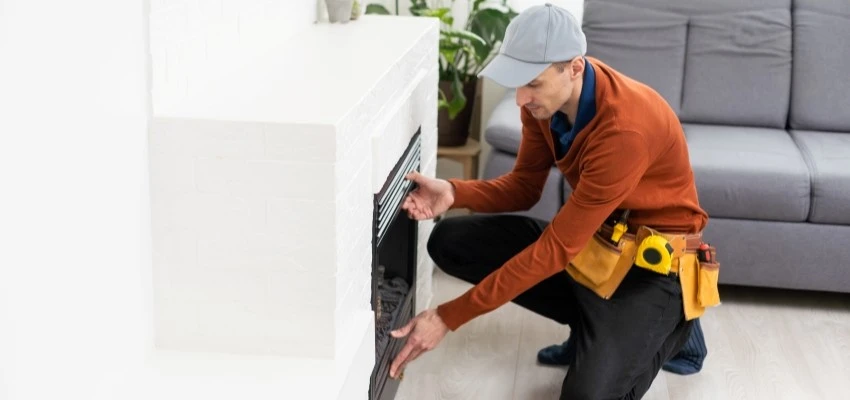
Ready for the season with Fireplace Experts in Abbotsford
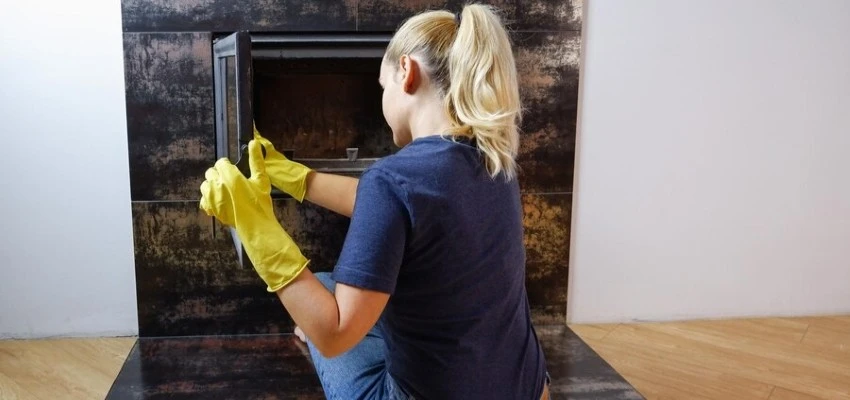
Control area vacuumed during Gas Fireplace Cleaning
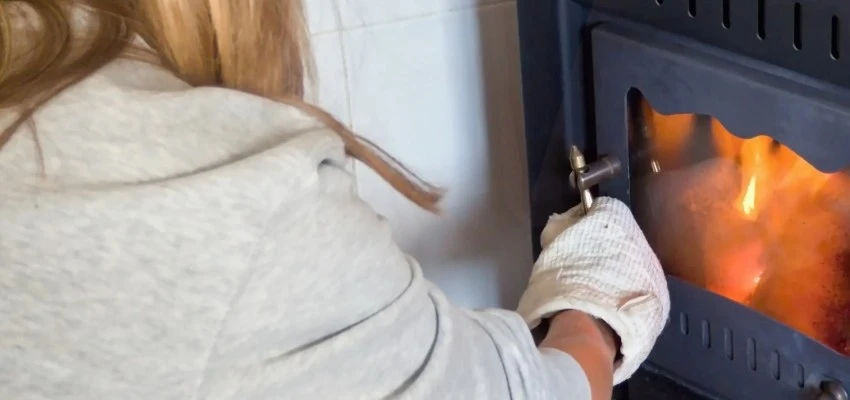
Yearly Gas Fireplace Maintenance in Abbotsford, before the cold arrives