Clear information gets surprisingly hard to find once you look up “clogged dryer vent cleaning”. Some sources make every dryer sound like a hazard, while others suggest the lint screen is all that matters. For most homes in Abbotsford, the truth sits somewhere in between. The answers here explain how a dryer vent works, why lint collects where it does and what clogged dryer vent cleaning actually changes, so you can decide what your household needs.
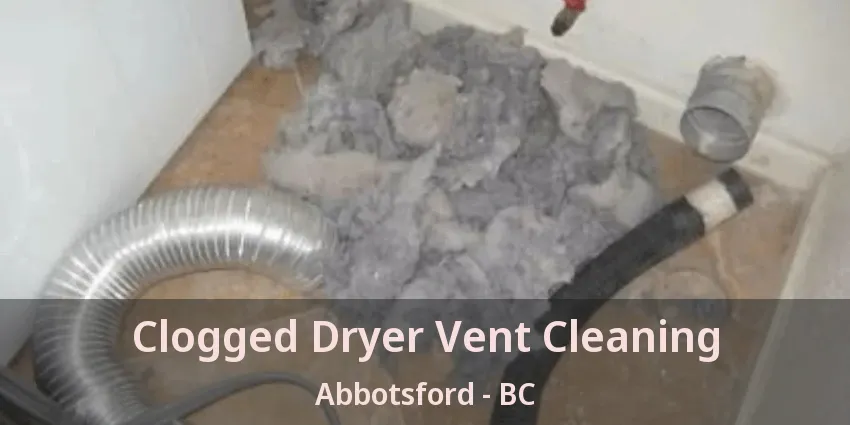
Dryer vent cleaning matters because the vent is the only way hot, moist air and loose lint can leave the machine. When lint narrows that path, the dryer has to run longer to finish each load, which wastes energy and wears out parts such as the heating element and blower. Heat also builds up inside the cabinet and duct, and lint ignites easily. Keeping your dryer vent clear helps loads dry on time, keeps the laundry room cooler and reduces a known fire risk in many homes. It is a small job compared with replacing a dryer that has been straining for too long.
Yes, a badly restricted vent raises the chance of a dryer fire, although most clogged vents never reach that point. What concerns us is a combination: lint packed into the duct, a cabinet that feels hot and a dryer that has been cycling on its high-limit switch for months. Crushed foil or plastic connectors behind the machine make things worse because they hold lint right where the air is hottest. When we clear a vent like that, we also check the connector and the outside hood, since an open path from end to end is what keeps temperatures where the manufacturer intended.
Most clogs start with ordinary lint, but they rarely stay that simple. Fine fibers stick to the duct wall, moisture from damp loads turns them into a tacky film and that film catches more fibers each cycle. Pet hair binds the mix together. Other culprits include a crushed hose behind the machine, a flap glued shut, a nest at the exterior opening and joints held with screws that snag fluff. Homeowners looking into “clogged dryer vent cleaning” usually find more than one of these at work, which is why clearing a clog should include checking the whole path, not only the visible end.
Get the nest removed and the duct behind it cleared before the next load; we pull nests out of dryer vents more often than most people expect. Birds like the warmth and shelter of a hood whose flap is stuck open or missing, and a low wall vent near a deck or roofline is an easy target. Mice and other small animals sometimes move in too. The nest itself is only part of the job, because the debris usually pushes a plug of lint back up the duct. After clearing it, we confirm the flap closes on its own and recommend a guard style that discourages nesting without trapping lint at the opening.
The pattern we hear most is a dryer that used to finish a load in one cycle and now needs two. That change happens gradually, so people adapt without noticing. Other things we look for on arrival: a scorched-dust smell near the machine, a top panel that is hot to the touch and a weak puff of air at the exterior opening. Sometimes the dryer shuts off mid-cycle because its overheat protection has tripped. When several of these show up at once, the vent is almost always involved, and clearing it is the first fix to try.
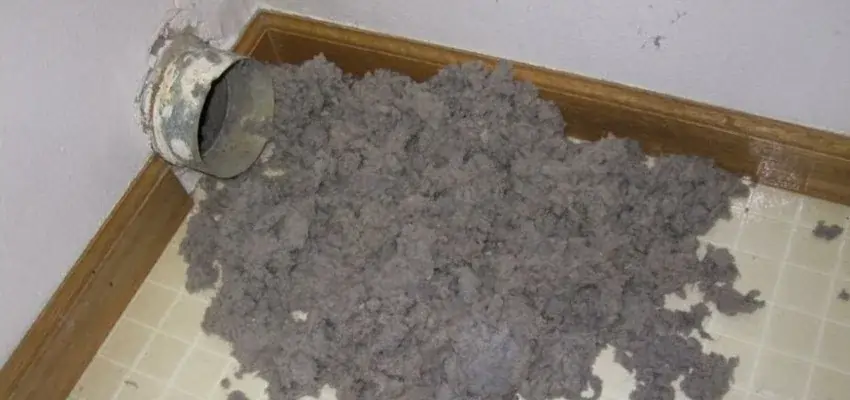
We clean roof vents from the laundry side first and finish at the cap, and they are some of the most packed vents we see. Lint travels up the vertical section, loses speed and falls back, so it builds in layers near the bottom of the riser and again at the cap. Many roof caps were never designed for dryers and have small openings or screens that collect lint quickly. Our rods have to be long enough for the full rise, and we only go up to the cap when the weather and pitch make it safe to be on the roof. Sometimes we suggest a cap made for dryer exhaust, which stays clear much longer.
A standard dryer vent cleaning usually takes about an hour, sometimes a little less for a short, straight vent. Longer visits are normal when the run is long, ends on the roof, has many bends or has not been cleaned in a long time. Extra work such as replacing the connector hose or the outside hood adds time too. Plan to be home for the whole visit, keep the path to the laundry area clear and expect a short walkthrough at the end. If you want a closer estimate, describe the vent route and where it exits when you book.
It is wise to cut back. If the vent is clearly blocked, with almost no air at the outside opening, a hot cabinet or a burning smell, stop using the dryer until the blockage is removed. If the signs are milder, such as loads taking a bit longer, run small loads on lower heat, stay home while it runs and empty the screen every time. Hang heavy items like towels and jeans to air-dry for now. These steps reduce strain on the machine while you wait for clogged dryer vent cleaning, and they cost nothing.
The change is usually easy to measure. We test airflow at the outside opening before and after, and the difference is often obvious just by holding a hand near the hood. Inside, the dryer should finish a normal load in a single cycle again, and its cabinet should feel warm rather than hot. We reconnect the hose with a gentle curve and leave the dryer where it can breathe. If we found anything that needs follow-up, such as a damaged section of duct, we explain it before we leave so there is no confusion about what was done and what was not.
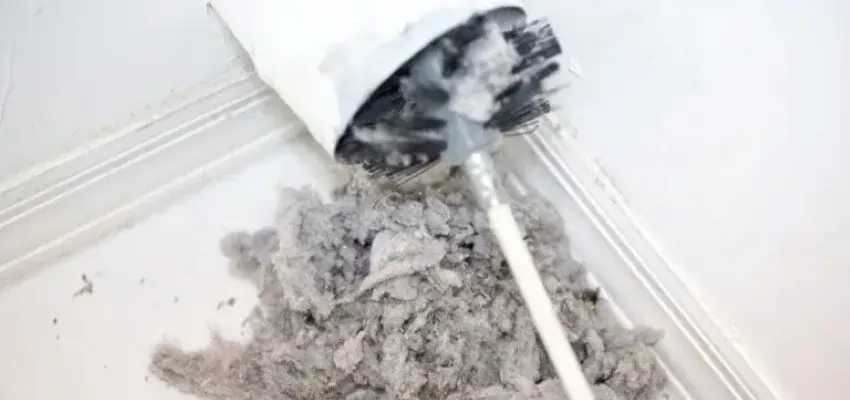
The systems that keep a home comfortable tend to work quietly in the background until something goes wrong. A planned visit is a calm way to keep your dryer vent in good shape. Request a quote from the Chimney Sweep Abbotsford team in Abbotsford.
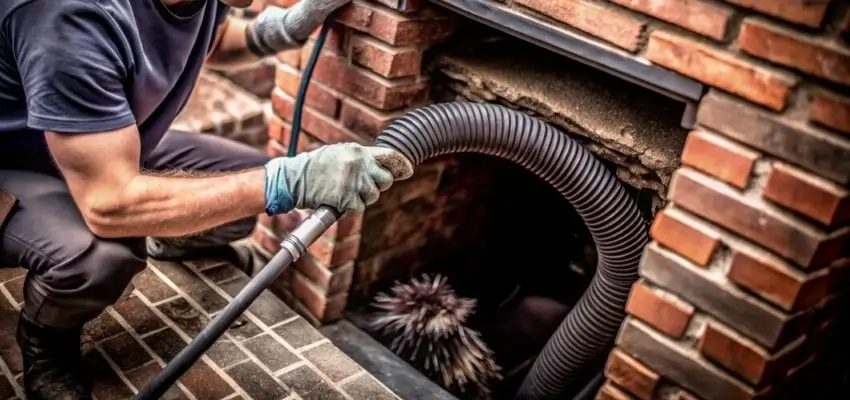
Flue last swept long ago? Chimney Cleaning in Abbotsford

Creosote cleared, flue inspected: Chimney Sweep for Abbotsford

From roof cap to firebox, Chimney Sweep Services in Abbotsford

Ready for the season with Fireplace Experts in Abbotsford

Control area vacuumed during Gas Fireplace Cleaning
Yearly Gas Fireplace Maintenance in Abbotsford, before the cold arrives