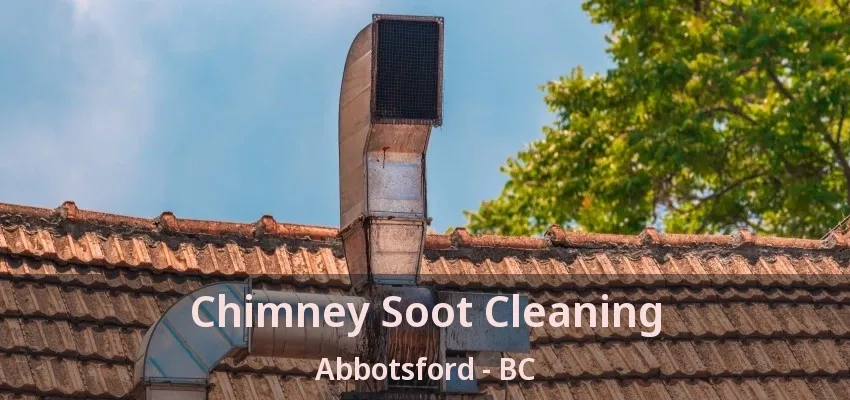
Chimney work is one of those services where it pays to understand the basics before anyone quotes you a price. A little background makes every conversation with a technician easier and every recommendation easier to weigh. This page offers that background for readers in Abbotsford who searched for “chimney soot cleaning”, with plain explanations of soot cleaning and the reasoning behind the advice you are likely to hear.
Soot and creosote are different deposits: soot is a dry, powdery carbon dust, while creosote is a tarry residue from wood smoke that can be flaky, sticky or glassy. Soot comes from incomplete burning and can be left by wood, oil or a gas appliance that is not running cleanly. It is lighter and brushes away easily, but it still narrows the flue and can hold moisture and odors. Creosote is the bigger fire concern because of its oily base. Seen from the firebox, soot looks like fine black powder, while creosote looks crusty, shiny or tar-like. A technician adjusts the cleaning to match.
Black flakes dropping from the damper, a sluggish fire and a campfire smell that hangs around are the signs we see most, and any owner can spot them. When we open a damper and a shower of debris comes down, the flue is overdue. A fire that sulks, needs constant coaxing or leaves a haze in the room tells us the draft is restricted somewhere. A sharp odor long after the last fire usually comes from deposits in the flue. We also ask about the calendar: if nobody remembers when the chimney was last swept, that alone is reason enough to book a look before the next fire.
The smell comes from deposits reacting with moisture, and summer simply supplies more moisture. Creosote is porous, so on muggy days it soaks up water and releases the odor compounds trapped inside it. At the same time, a house with its windows shut and fans running often pulls outside air in through the easiest opening, which is frequently the chimney. We confirm that by feeling for a downdraft at the damper. Musty or rotten smells point elsewhere: water soaking into masonry, leaves decaying on the smoke shelf or an animal that died in the flue. Each cause has a different fix, so identifying it comes first.
Yes, a gas fireplace that leaves soot on its glass, logs or surround is telling you the flame is not burning cleanly. Causes include logs that have shifted out of position, a burner that needs cleaning or adjusting and venting that is partly blocked. Do not try to rearrange logs or adjust the burner yourself; that work belongs to a qualified gas technician. Keep working carbon monoxide alarms in the home, and if you ever smell gas, leave the building and call the gas utility from outside. A “chimney soot cleaning” visit can clear the vent, while the appliance itself is serviced separately.
Glazed creosote comes off with tools and time, since an ordinary brush glides over it like a broom on ice. We describe creosote in three stages: a loose, sooty layer that brushes away, a crunchy, flaky layer that needs stiffer heads, and a glossy third stage that clings to the liner like candy coating. For that last stage we use rotary heads with chains or cutting blades, spun on a drill and matched carefully to the liner so we do not damage it. Chemical modifiers help too, turning the glaze into a brittle crust we can sweep out later. Each method has limits, so we explain them first.
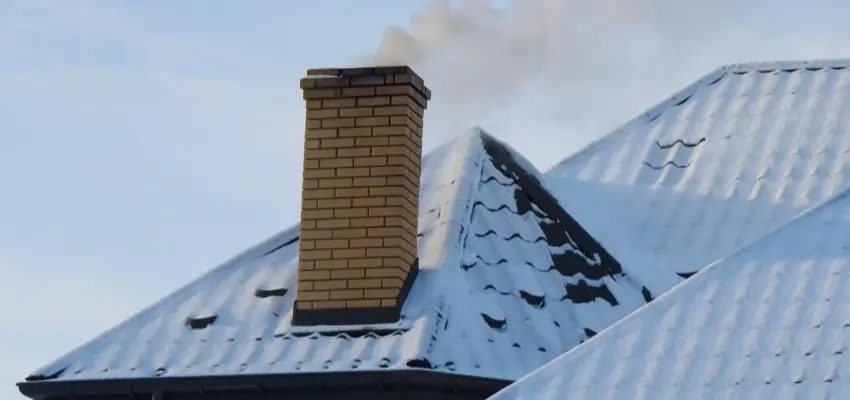
We tell most owners to plan on a yearly visit and let the findings set the sweeping schedule. If we pull out a heavy load after one season, the chimney should be checked sooner next time; if the flue is lightly coated, stretching the interval is reasonable. Fuel and habits matter more than the calendar. Dry hardwood burned hot leaves far less behind than damp wood or a stove turned down overnight, and inserts and stoves often need attention more often than open fireplaces. Keeping a note of each visit and what came out makes the right rhythm for your chimney easy to see.
A standard chimney sweep usually takes about an hour to an hour and a half for a single flue. Expect more time if there are several flues, if a stove or insert has to be disconnected, if the roof is steep or high, or if the buildup is heavy or glazed. A camera inspection or a written report adds a little more. Plan to be available for the whole visit and for a short conversation at the end, when the technician explains what was found. If your day is tight, describe your setup when booking so the company can give you a realistic window.
A cold firebox and a bare hearth help us more than anything else. Clear a few feet of floor for the vacuum and drop cloths, and lift screens and ornaments off the hearth itself. Warm ash is the most common reason a job starts late, since we cannot clean safely until it has cooled. Outside, we need a stable spot near the chimney for the ladder, so mention soft ground, flower beds or a deck that might be in the way. Tell us about alarm systems, a dog that dislikes visitors or a roof that is easier to reach from the back. Those small details save time on the day.
Start dry: vacuum loose soot with a brush attachment, then use a dry soot sponge, which lifts staining without smearing it deeper into porous brick. After that, a mild detergent solution and a soft brush handle most remaining marks; test a small, hidden spot first and rinse sparingly so the masonry does not stay soaked. Avoid harsh acids and wire brushes, which can damage mortar and stone. Wear gloves and protect the floor. These steps clean the visible surface, while soot cleaning deals with the flue where most of the soot originates.
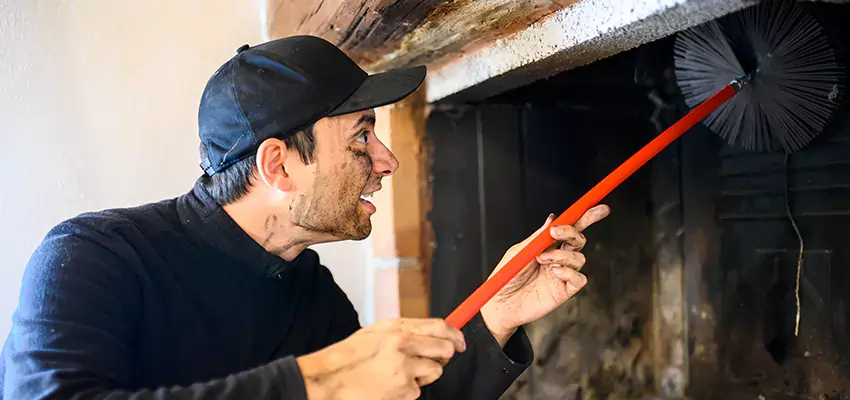
Sometimes the most useful thing is simply knowing whether there is a problem at all. A visit from Chimney Sweep Abbotsford gives you that answer, along with practical advice for keeping things in order. Call (778) 909-5649 to set one up.
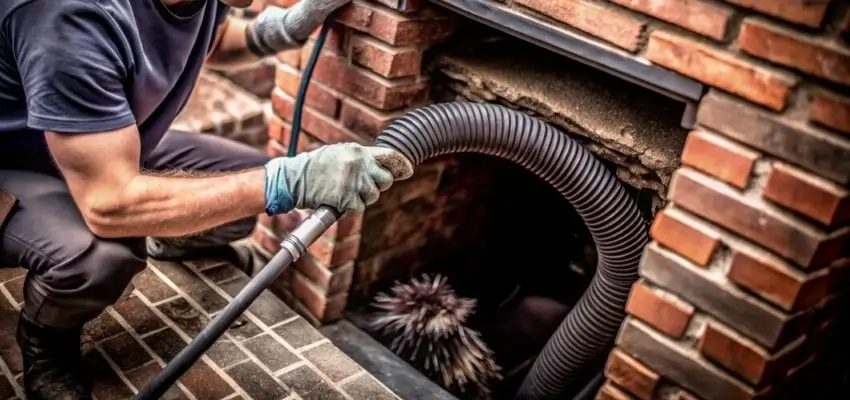
Flue last swept long ago? Chimney Cleaning in Abbotsford

Creosote cleared, flue inspected: Chimney Sweep for Abbotsford
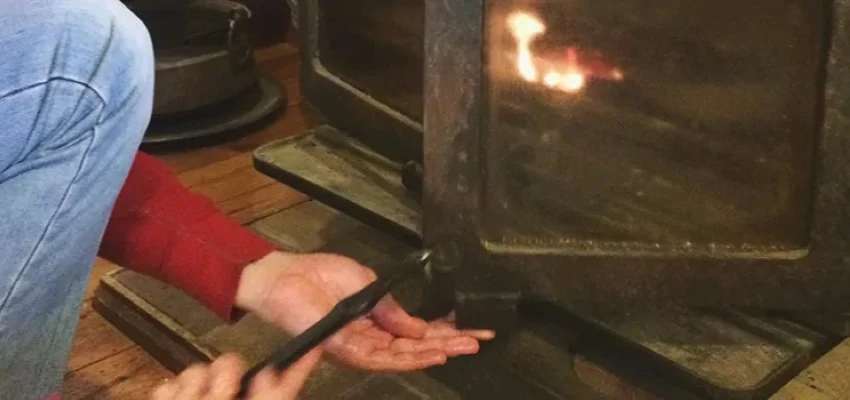
From roof cap to firebox, Chimney Sweep Services in Abbotsford

Ready for the season with Fireplace Experts in Abbotsford
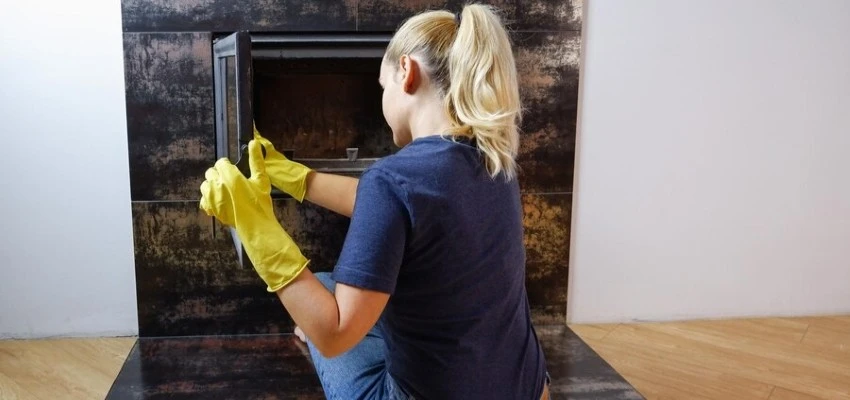
Control area vacuumed during Gas Fireplace Cleaning
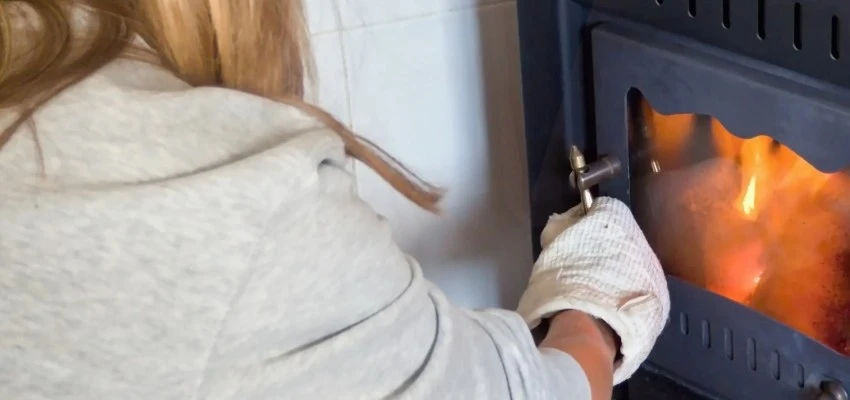
Yearly Gas Fireplace Maintenance in Abbotsford, before the cold arrives