A chimney is part of how a house looks from the street and part of how its fireplace or stove works inside. Good chimney waterproofing respects both. For people in Abbotsford who have been searching for “chimney saver”, the answers below explain what the work involves, what affects the result and how to keep the chimney sound for years once the crew has packed up and gone.

The phrase is used both ways. It is the name of a commercial masonry water repellent, and many people also use it loosely for any waterproofing applied to a chimney. Either way, what matters is the type of product rather than the label: a breathable, penetrating repellent made for brick and mortar, applied after repairs on a clean, dry surface. A company offering chimney waterproofing should tell you which product it plans to use, why it suits your masonry and how long it typically lasts. That way you know exactly what is going on your chimney and when it will need another coat.
It depends on which side of the chimney the problem lives. Shingles, underlayment and roof decking are roofing work, and a good roofer does them well. Anything that carries smoke or heat, from the flue tiles to a prefab chimney pipe, is where chimney training matters, because mistakes there affect safety inside the house rather than just weatherproofing. We often work alongside roofers, especially during a reroof, so flashing and chimney repairs are coordinated. A company that knows its limits and says so plainly is usually the one to trust with the rest.
We think of a water repellent as a raincoat that breathes. Good products, often silane or siloxane based, penetrate the brick rather than sitting on top, so rain beads off while vapor from inside the chimney can still get out. That is the key difference from glossy sealers and paints, which we often have to strip off because they trapped moisture and caused spalling. A repellent is a finishing step: it protects sound masonry but cannot bridge cracks or open joints. That is why we repair the crown, flashing and mortar first, then apply it on a dry day.
Watch how the brick behaves when it rains. If sections stay dark long after a storm, if white powdery deposits keep appearing on the face or if bricks near the top are flaking, the masonry is absorbing more water than it should. Damp patches or a musty smell inside near the chimney point the same way. A quick test is to spray a little water on dry brick: if it soaks in almost immediately, the surface has little protection left. These signs also call for checking the crown, cap and flashing, so chimney waterproofing is usually part of a wider plan.
With heavy cloths, sealed openings and proper vacuums inside, and tarps and padding outside; mess control is part of the job, not an afterthought. Before we touch the chimney, we lay cloths in front of the fireplace and, when the work involves the flue, tape plastic across the opening so soot stays on our side. Our vacuums are built for fine dust, not household lint. On the roof, materials sit on tarps or boards so shingles are not scuffed. The messiest jobs break out old tiles or brick; for those, we warn you in advance and plan the clean-up accordingly.

Our estimates come down to labor, access and parts, with an allowance for what the chimney might be hiding. Labor depends on how many steps the job has and whether curing time stretches it over several days. Access depends on the roof and the yard: steep slopes, tall stacks and tight spaces add setup. Parts range from a repellent or a clay pot to a full liner or a factory-built system that has to match the fireplace. We would rather explain all of that before the job than surprise you halfway through, so we price each part separately.
Start by letting the fireplace or stove go cold at least a day before, and clear the hearth of screens, tools, logs and decorations. Move furniture and rugs back a few feet. Outside, clear the area below the chimney of cars, planters, bikes and patio furniture, and unlock gates so ladders can come through. Let the company know about pets, alarms, skylights or solar panels near the chimney. If the job involves the attic, a closet or the basement, make sure those spaces are reachable. A few minutes of preparation saves time on the day.
The brick tells you: once water stops beading and starts soaking in, the repellent has worn thin, so we go by that rather than a fixed number of years. On our yearly visits, we mist a few areas of the chimney and look for dark patches that drink the water in. Sun-facing sides and the top courses usually go first. When reapplying, we clean the surface, let it dry fully and fix any new cracks or open joints, because repellent cannot cover those. Many chimneys need a fresh coat every several years, depending on exposure and product.
We would hire the company that asks the most useful questions. A contractor who knows chimneys wants to know the material, the height, the appliances and the history before naming a figure. On site, it should go up, look inside the flue and come back with photos. It should tell you what it will not do as clearly as what it will. Ask how it handles surprises mid-job and who will be on the roof. Companies that work in your area every week can also tell you what tends to fail on homes like yours, which is useful insight in itself.

A quote is easier to trust when it is based on your actual home. Share the basics, such as the type of home and what prompted the call, and we will explain what chimney waterproofing would involve. Ask for your quote here, with no obligation to book.
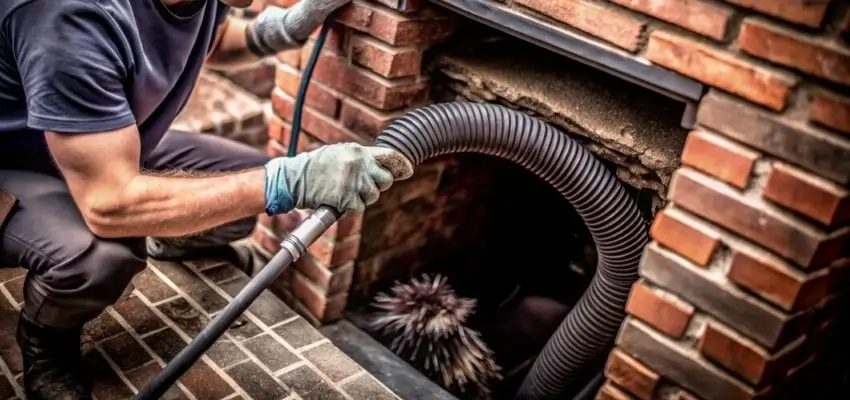
Flue last swept long ago? Chimney Cleaning in Abbotsford
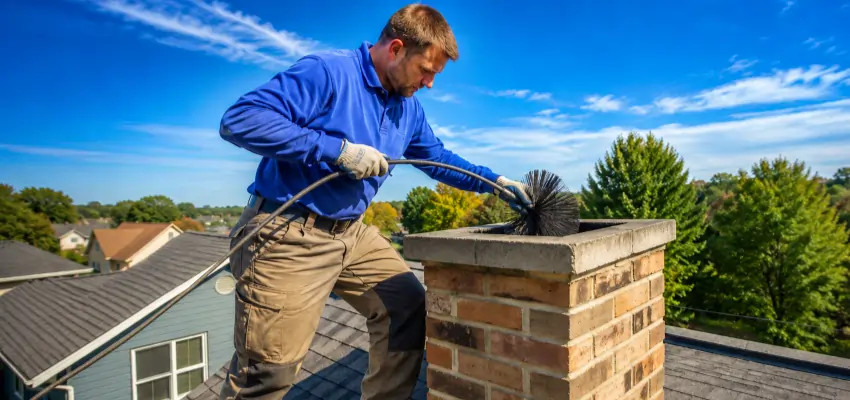
Creosote cleared, flue inspected: Chimney Sweep for Abbotsford
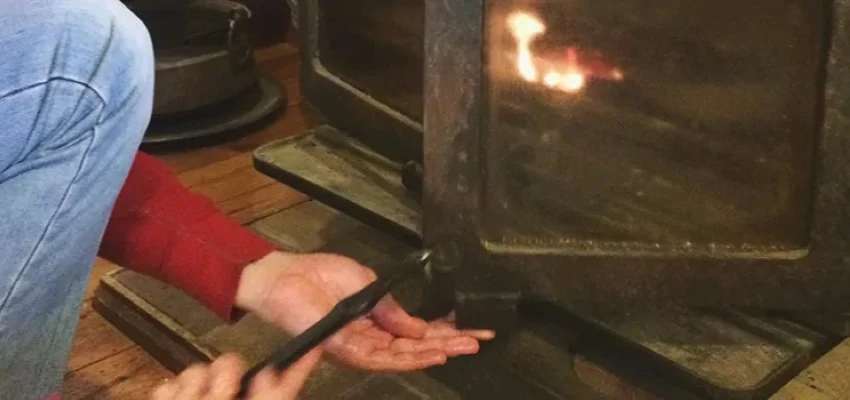
From roof cap to firebox, Chimney Sweep Services in Abbotsford

Ready for the season with Fireplace Experts in Abbotsford
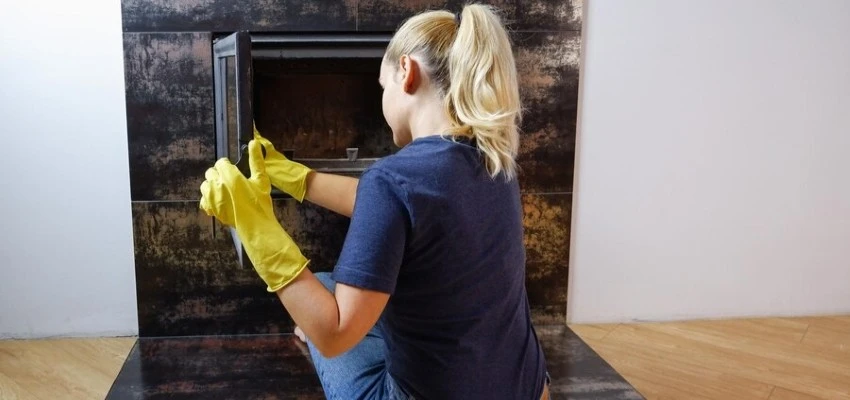
Control area vacuumed during Gas Fireplace Cleaning
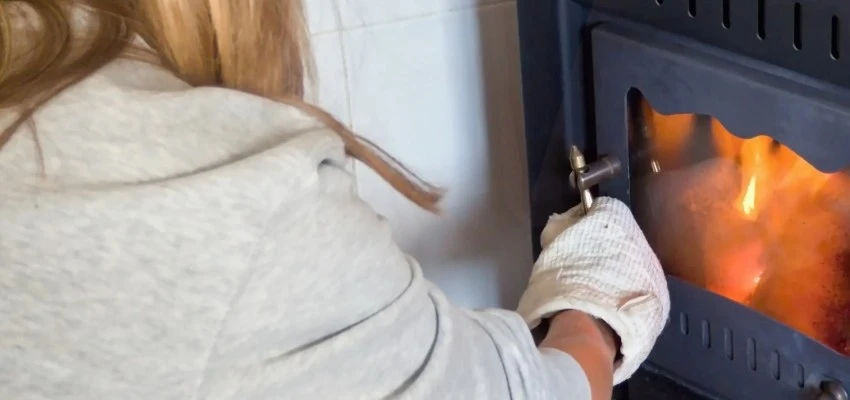
Yearly Gas Fireplace Maintenance in Abbotsford, before the cold arrives