Not every chimney project is urgent, and not every one is optional. Some work protects the house from water or heat, while other work mostly improves the look of the roofline or the way the fireplace performs. If you typed “chimney remodel” into a search bar, this page helps sort one from the other, with straightforward answers about chimney renovation for houses in Abbotsford and the reasons behind each recommendation.
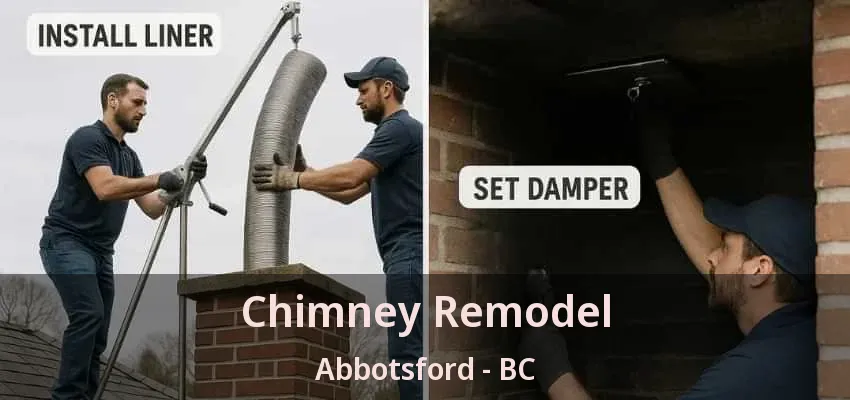
Work that affects the inside of a chimney, such as flues, liners, dampers or appliance venting, belongs with a chimney specialist, while a roofer is the right call for the shingles around it. Chimney technicians understand draft, heat and the clearances that keep nearby wood safe, and they have the tools to inspect a flue with a camera. Many jobs sit on the border, like flashing or the part of the chimney above the roofline, and either trade may handle them. When in doubt, ask how the company would check the flue and the chimney top, not only the outside.
Yes. A chimney that no longer serves any appliance can be taken down below the roofline, with the roof patched over, or capped at the top so rain and animals stay out while the structure remains. Full removal through the house is a bigger job because it affects floors, walls and sometimes structural support, so it needs careful planning. Partial removal is common when the top section is damaged. If you keep the chimney, a vented cover helps limit moisture buildup inside. Anyone considering a “chimney remodel” project like this should confirm that nothing, including a furnace or water heater, still uses that flue.
The clearest signs are water, debris and smoke where they do not belong. Watch for damp stains near the chimney, flakes of tile or brick in the firebox, rust on the damper or cap, a fireplace that smokes into the room and loose or leaning pieces at the top of the chimney. Outside, white staining on brick, gaps in mortar and plants or moss growing on top are worth noting. Any smell of smoke in rooms next to the chimney, or a carbon monoxide alarm, means stop using the appliance and have it checked before it is lit again.
Yes, a chimney can be shortened, extended or refaced, and all three are common jobs. It can be shortened when it no longer serves an appliance or when the top section is unsafe, then capped or covered properly. It can be extended to improve draft or to clear a new roof addition, using matching masonry or a compatible flue extension. Refacing covers the outside with brick, thin stone or stucco without changing the flue. Each option needs a plan for weight, flashing and water shedding. If the chimney still vents an appliance, its height and flue size must suit that appliance after the change.
Often, yes. Thin stone veneer, natural or manufactured, can be applied over sound brick or over a framed chase with the right backing, lath and drainage details. The existing surface must be solid and clean, and the veneer needs flashing and a way for moisture to escape at the base so water does not get trapped behind it. Weight is a consideration on older chimneys. If you are planning a “chimney remodel” with stone in mind, ask how the veneer will be attached, how the top will be finished and how the work will meet the roof.

A common guideline is a professional check once a year, often before the season when the fireplace or stove is used most. Chimneys that serve wood-burning appliances, have had recent work or face harsh weather benefit most from that yearly rhythm. Extra checks make sense after a storm, a chimney fire, a roof replacement or any change to the fireplace or appliance. Even a chimney that is rarely used should be looked at, because weather, animals and settling affect it whether or not you light fires.
Tell the company what the chimney is made of, what it serves and what you want done or have noticed. Mention the type of fireplace or appliance, how many stories the house has, how steep the roof is and whether the chimney is brick, stone or a framed chase. Share any history: past repairs, a chimney fire, recent roof work or a new appliance. A few photos of the chimney from the yard and of the fireplace help a lot. These details let the company bring the right parts and give you a realistic estimate.
Follow the crew’s instructions about when the fireplace or stove can be used again, since new mortar, coatings or liners may need time. In the weeks after, watch for any stains, drafts or smoke that seem new. Keep the area around the chimney top clear by trimming branches and cleaning nearby gutters. If you burn wood, use dry, seasoned firewood and have the flue swept regularly, which protects liners and tiles. Book a yearly inspection, and keep receipts and photos from the work so future technicians know what was done.
Choose a chimney contractor that inspects before quoting, explains the cause of the problem and shows you evidence. Look for a company that does the specific work you need, whether flue repair, chimney pots, waterproofing or factory-built chimney installation, and ask to see photos of similar jobs. A clear written quote, a realistic timeline and an explanation of how the home will be protected are good signs. Read recent reviews for comments about communication and tidiness. Be cautious with anyone who pushes a large job without photos or pressures you to decide on the spot.

The hardest part is often deciding to deal with it. Once you call (778) 909-5649, we take care of the scheduling, explain the visit and send a technician to your home in Abbotsford. It is a straightforward way to get your chimney looked after.
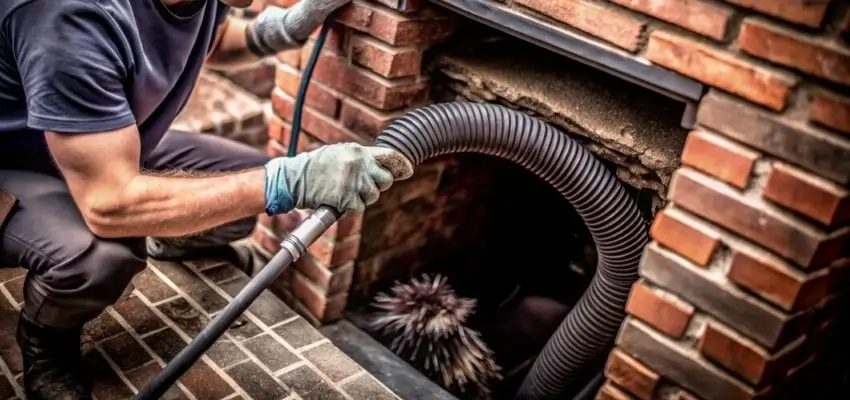
Flue last swept long ago? Chimney Cleaning in Abbotsford
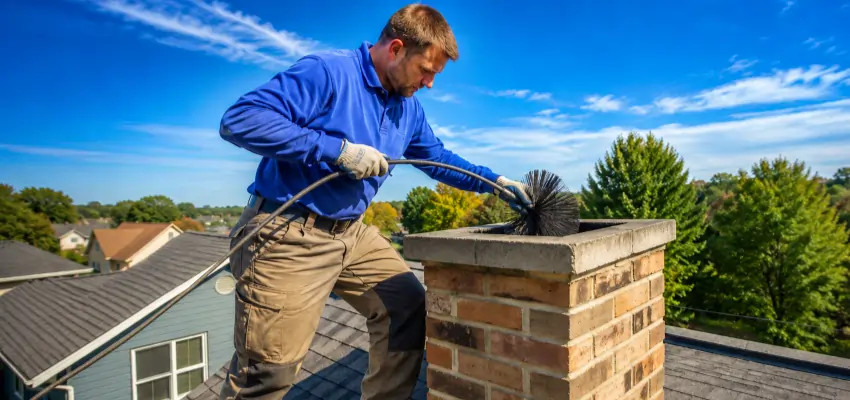
Creosote cleared, flue inspected: Chimney Sweep for Abbotsford
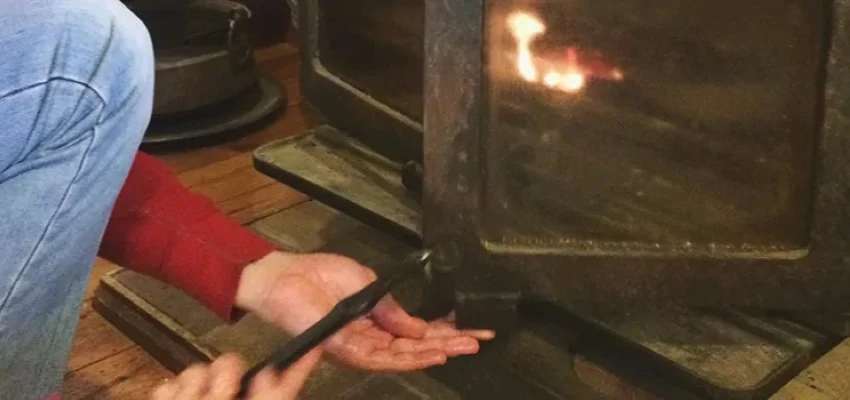
From roof cap to firebox, Chimney Sweep Services in Abbotsford
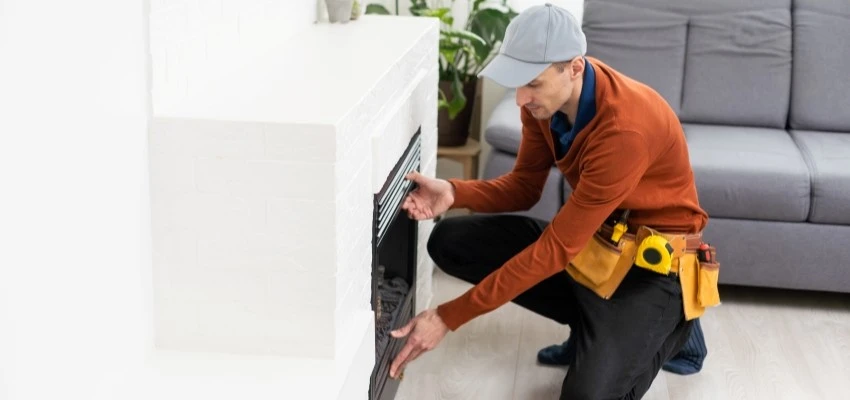
Ready for the season with Fireplace Experts in Abbotsford
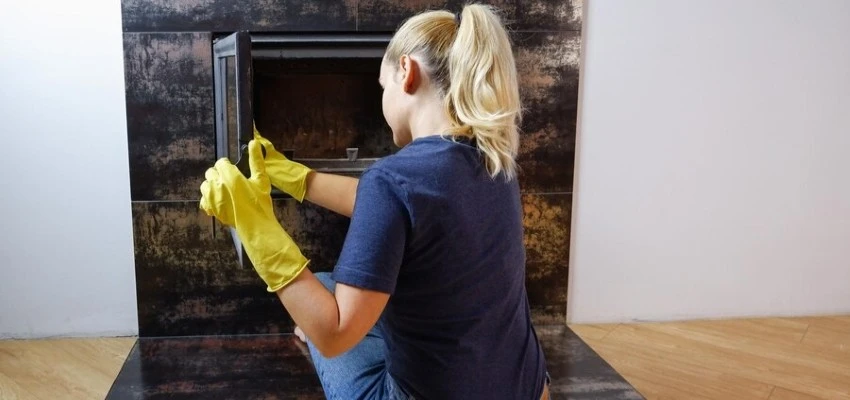
Control area vacuumed during Gas Fireplace Cleaning
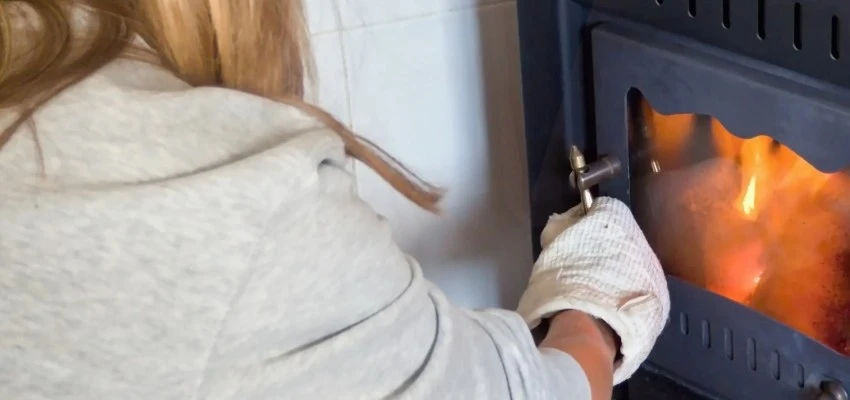
Yearly Gas Fireplace Maintenance in Abbotsford, before the cold arrives