Looking after a chimney comes down to a few ideas that are easy to grasp once someone lays them out. Every answer below leads with the point and then gives the reasoning, so you can read one or all of them. It is written for anyone in Abbotsford who arrived after searching “chimney nest removal” and wants to understand chimney nest clearing well enough to ask good questions and spot a vague answer.
An animal in the chimney can cause both physical damage and real safety hazards, even if it seems harmless at first. Nests and debris can block the flue, so smoke and carbon monoxide from a fireplace or a connected furnace back up into the house. Dry nesting material is also flammable. Raccoons can tear loose caps, damper plates and the mesh that keeps others out, while droppings and trapped animals leave stains and strong odors in masonry. An animal that gets past the damper can end up loose indoors. Take any sign of wildlife as a reason to stop using the fireplace and have the chimney checked.
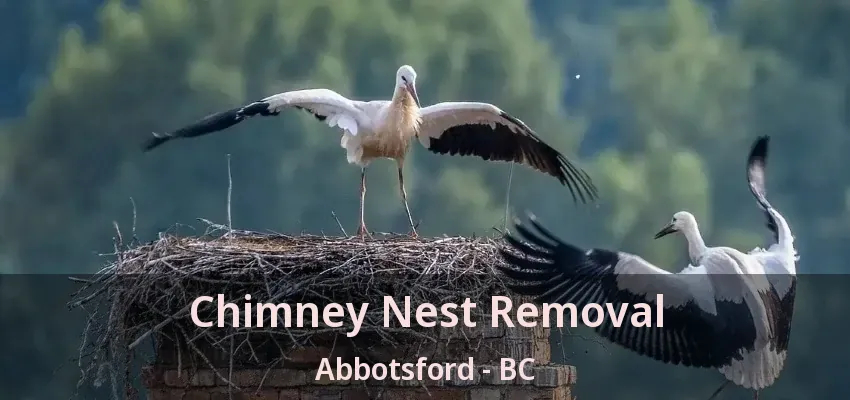
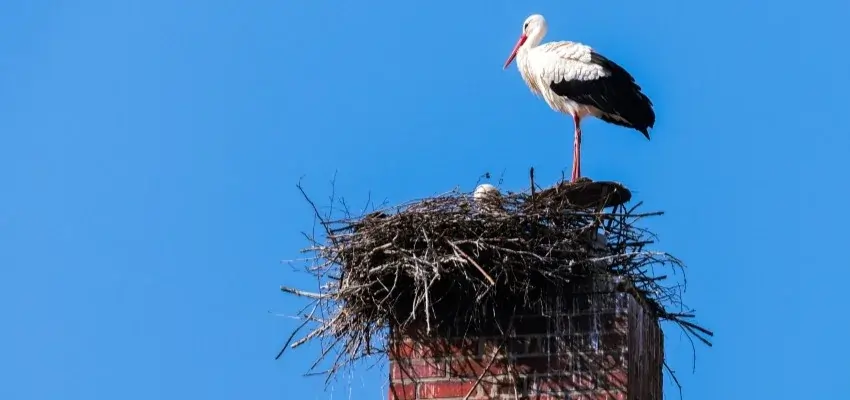
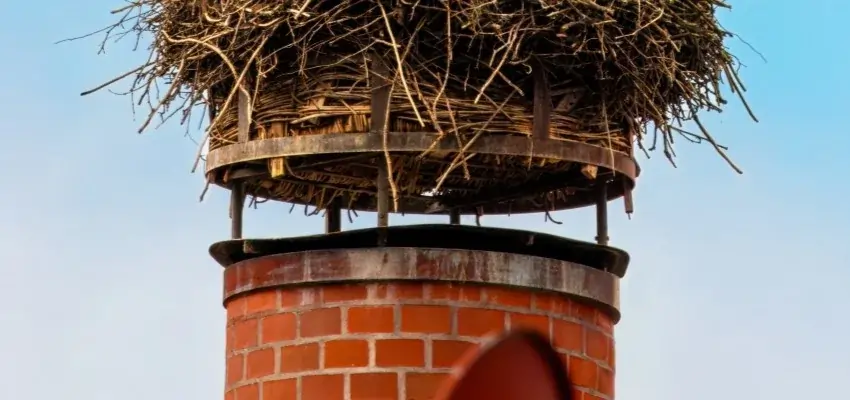
To a bird, an uncapped chimney looks a lot like a hollow tree: tall, sheltered from wind and rain and hard for predators to reach. Some species naturally nest on vertical surfaces and have adapted to chimneys as old trees have become scarce, and some of them are protected, so active nests are left until the young have flown. The smoke shelf and the ledges where flue tiles meet give them places to build. Warmth rising from a furnace flue can make a chimney more attractive in cooler weather. A properly fitted cap removes the opening, which is why most chimney nest clearing visits finish with a cap check or installation.
Yes, a nest made of dry twigs, grass and feathers can ignite from heat or sparks, and it can also block the flue enough to send smoke back into the room. That is why a fire should never be lit when you suspect a nest above the damper. Signs include twigs falling onto the grate, chirping or fluttering sounds and a smell of droppings. If you notice any of these, keep the damper closed. Some birds that nest in chimneys are protected, so an active nest stays in place until the young have flown; after that, arrange “chimney nest removal” before the next fire, along with a sweep and a check that the cap is in place.
The most common sign is sound from the chimney: scratching, scurrying, chirping or a soft fluttering, often at the same times each day. Birds tend to be loudest when their young are hungry, raccoons move around mostly at night and squirrels are busiest during daylight. You may also find twigs, leaves or droppings in the firebox, notice an unpleasant smell or spot an animal on the roof near the opening. Keep the damper and any fireplace doors closed so nothing can get into the room, avoid lighting a fire and call a company that handles chimney animal problems humanely.
We remove animals humanely by working with their habits instead of against them. First we identify what is inside, because a brood of young birds, a raccoon mother with kits and a single trapped squirrel each call for a different plan. Young birds usually need a short wait until they can fly. A raccoon mother will often move her litter once the den feels disturbed, after which we fit a one-way door to confirm everyone is out. A trapped squirrel can sometimes climb out on a rope or board lowered into the flue. When a situation calls for a wildlife specialist, we say so and coordinate with them.
From our side, the price follows the number of trips and the amount of material that has to come out. A visit to free one bird is short. A raccoon den usually means installing an exclusion door, coming back to confirm the chimney is empty, then hauling out bags of nesting material, sweeping and fitting a cap that will hold. Roof height and pitch matter as they do for any chimney job, and multi-flue chimneys may need one cover for all of them. We explain each step before starting, so the total makes sense and nothing on the invoice comes as a surprise.
Until help arrives, keep the damper and fireplace doors shut, keep children and pets away and leave the animal alone. Opening the damper can let a frightened bird, bat or squirrel into the house. Do not light a fire, pour water down the flue or try to grab the animal. If a bird or squirrel gets inside, close the interior doors, open a window or exterior door in that room and let it find its way out. If it is a bat and anyone may have touched it or was asleep in that room, keep the room closed and ask your local public health office for advice before letting it go. Tell the company you call what you have heard and when.
A chimney often smells after an animal leaves because droppings, urine and old nesting material soak into brick and mortar, and humid weather keeps releasing that odor. If an animal died in the flue or on the smoke shelf, the smell is stronger still until the remains are removed. Clearing every bit of debris, sweeping the flue and applying a deodorizing product made for chimneys usually brings it under control within days. Keep the damper and any glass doors closed meanwhile. If a strong smell persists after cleanup, ask for a camera check, since material can stay hidden on ledges higher up.
Some owners do sweep their own chimneys, but we see enough DIY mishaps to suggest leaving the flue to a professional. Wire brushes can scratch stainless steel liners, and rods pushed from below without a vacuum spread soot through the room. Falls from roofs are a real risk. Sweeping logs can make loose creosote flakier so it drops more easily, which helps between visits, yet the debris still has to come out and the flue still needs a look. The parts we encourage owners to handle are good burning habits and visual checks; cleaning and inspecting are where trained eyes and proper tools pay off.
Kids, pets and work schedules all matter when someone visits your home. Let us know what to work around and we will plan the appointment to match. Choose a time for chimney nest clearing anywhere in Abbotsford.
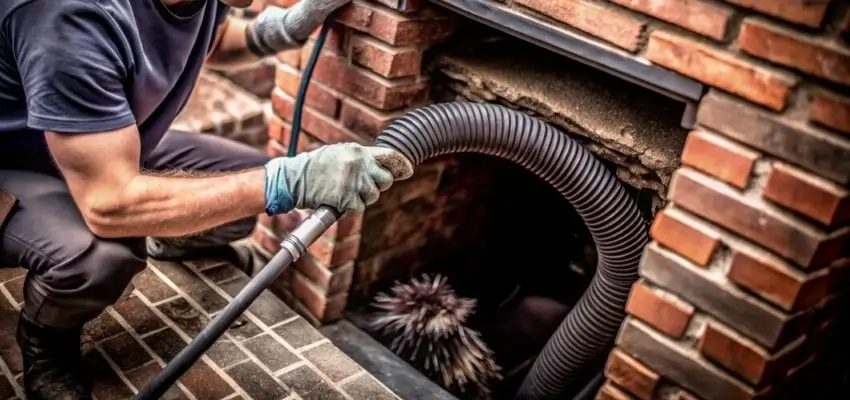
Flue last swept long ago? Chimney Cleaning in Abbotsford
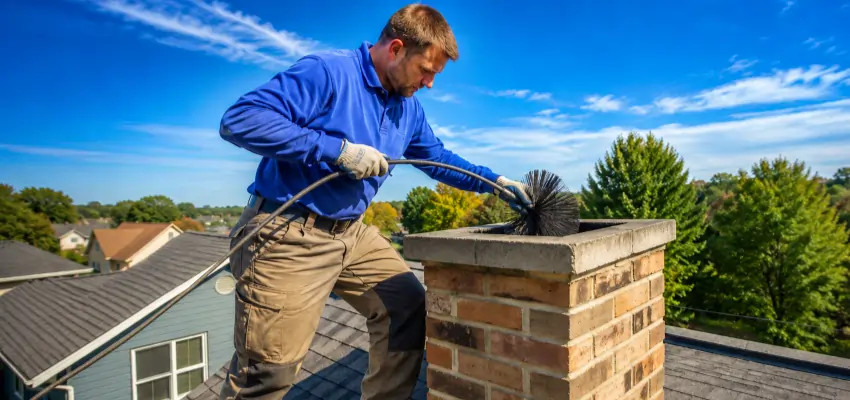
Creosote cleared, flue inspected: Chimney Sweep for Abbotsford
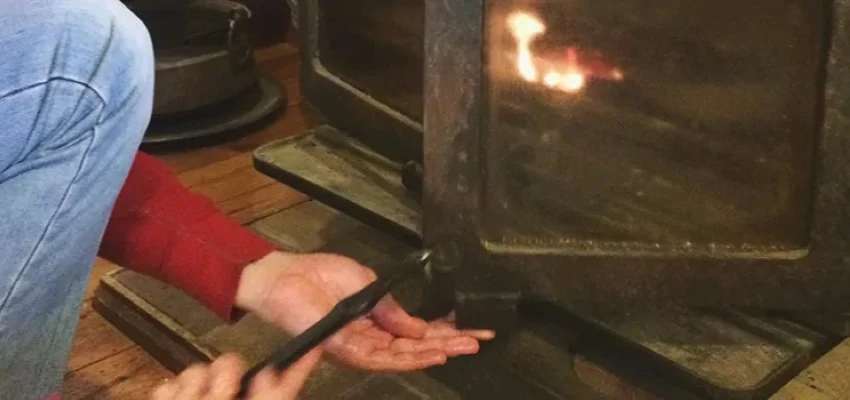
From roof cap to firebox, Chimney Sweep Services in Abbotsford
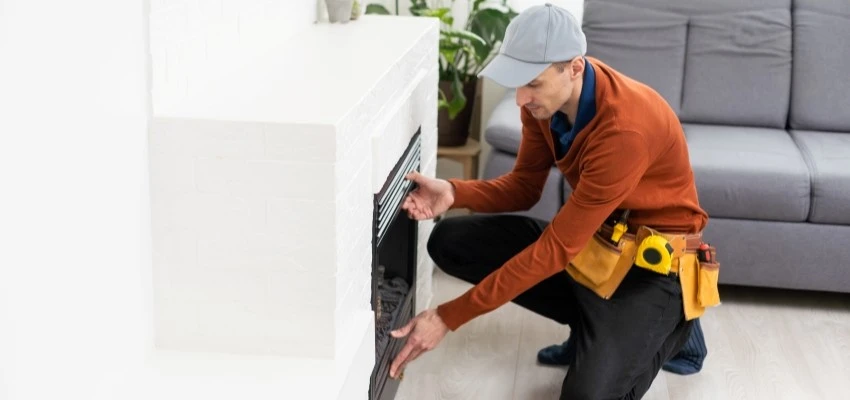
Ready for the season with Fireplace Experts in Abbotsford
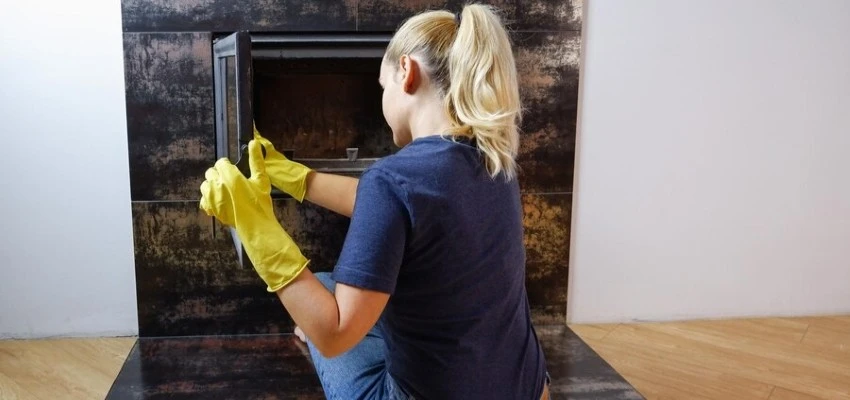
Control area vacuumed during Gas Fireplace Cleaning
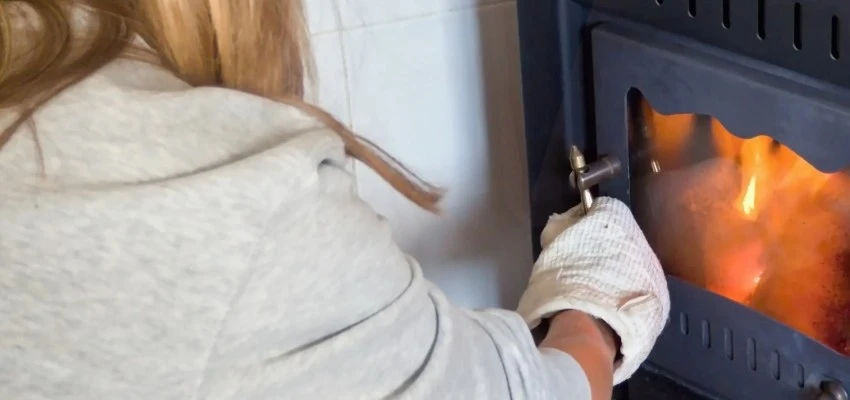
Yearly Gas Fireplace Maintenance in Abbotsford, before the cold arrives