Plenty of people only think about their chimney when the first cool evening arrives and they want a fire. Others notice a problem in spring after a wet stretch of weather. Either way, a search for “chimney masonry services” usually starts with a simple question: does this need fixing now? Here you will find practical answers about chimney masonry repair for homes in Abbotsford, including what the work involves, how long it takes and how to keep the chimney sound afterward.

Chimney masonry work covers the brick or stone structure and everything built into it. Typical jobs include replacing damaged bricks, repointing worn mortar joints, rebuilding or sealing the crown, rebuilding the top of the chimney above the roof, repairing the firebox walls and resetting loose stone. It often includes small related tasks too, such as resetting counter flashing into fresh joints. Liners, caps and dampers are usually separate items, though many companies handle all of them. When you request quotes for “chimney masonry services”, ask each company to list which of these tasks it is pricing, so you can compare like with like.
In everyday use, tuckpointing means the same as repointing: replacing failing mortar joints, one of the most common chimney jobs we do. Mortar is meant to be the sacrificial part of a brick wall: it is softer than the brick and wears first, which is exactly what you want. After enough seasons of rain, sun and temperature swings, joints shrink, crack and wash out. Tuckpointing removes that worn material and replaces it with mortar matched to the original in strength and color. Done properly, it restores a weathertight surface without disturbing sound bricks, so the chimney keeps its original look.
It depends on how deep the damage goes, not on how bad the surface looks. Spalled faces and eroded joints on an otherwise solid chimney are a repair job: fresh mortar, a few replacement bricks and attention to wherever the water is getting in. When the top courses rock under light pressure, when cracks run through bricks rather than just mortar, or when the stack has started to lean, patching only delays the inevitable. In those cases we take the chimney down to a sound course and rebuild upward. You should always see the evidence, ideally in photos, before agreeing to a rebuild.
A masonry chimney has more parts than most people realize, and each one can need repair on its own. From the top down, you will usually find:
Inside the house sit the damper, the smoke chamber, the firebox and sometimes an ash dump. Factory-built chimneys swap the brick for a metal flue inside a framed chase with a metal cover on top.
The most common signs show up as water, debris or poor performance. Watch for:
Outside, look for white staining on the bricks, gaps in mortar joints and a cap or flashing that looks loose. Any one of these is worth a closer look by someone who can reach the chimney safely.

A chimney needs tuckpointing when its mortar joints are cracked, recessed or crumbling. Look for joints that sit noticeably deeper than the brick face, sandy mortar that could be scratched out with a key, hairline cracks running along the joints and dark voids where mortar has fallen out. Grit collecting on the roof or in the gutter below the chimney is another clue. Binoculars from the ground or a photo taken from a safe window give you a good view without climbing. If more than a few scattered joints look this way, repointing is usually due.
Chimney tuckpointing is done in three stages: removing the damaged mortar, filling the joints with fresh mortar and finishing them to shed water. Old mortar is cut out with a grinder or chisel to an even depth, a common guideline being about twice the width of the joint, and the dust is cleaned away. New mortar, matched in strength and color to the original, is packed in layers so each one firms up before the next. Masons often mix small test batches and let them dry, because wet mortar looks darker. Finally, the joints are tooled to match the rest of the chimney.
Yes, in a few important ways. Stone chimneys have irregular joints of varying width, so repointing takes more hand work, and the mortar must suit the stone, which may be much harder or softer than brick. Matching the look is also trickier: replacement stones may need to come from a similar quarry or from salvage, and the joint style has to match the original. Stone veneer on a framed chase is a different system again, attached to a wall rather than built as solid masonry. Mention the stone type and whether it is veneer when you ask about chimney masonry repair.
Well-done tuckpointing typically lasts many years, often decades, before the joints need attention again. How long it holds depends on the mortar mix, the quality of the work, the weather the chimney faces and whether the water problems above it were fixed. A chimney with a sound crown, a good cap and working flashing keeps its new mortar far longer than one where water still pours over the top. Sides that catch driving rain or repeated freezing wear faster. A yearly look at the joints lets you repoint small areas as they wear instead of redoing the whole chimney.

We know most people are juggling work, family and errands. Let us know which days and times are easiest and we will try to match them. Choose a time for chimney masonry repair and the Chimney Sweep Abbotsford team will confirm it with you.
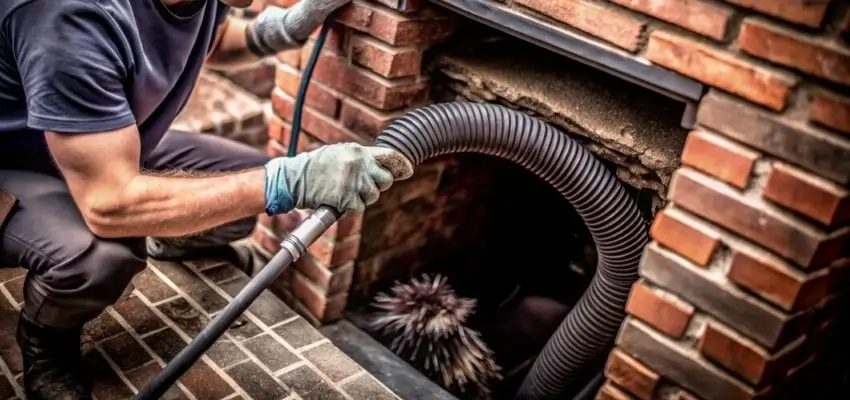
Flue last swept long ago? Chimney Cleaning in Abbotsford

Creosote cleared, flue inspected: Chimney Sweep for Abbotsford
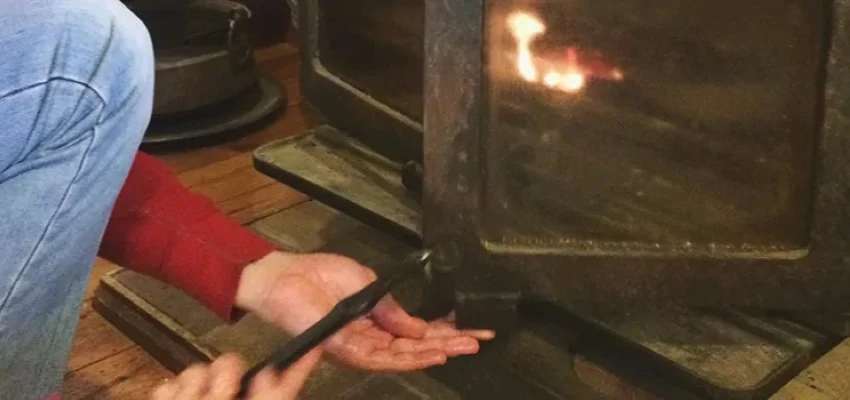
From roof cap to firebox, Chimney Sweep Services in Abbotsford
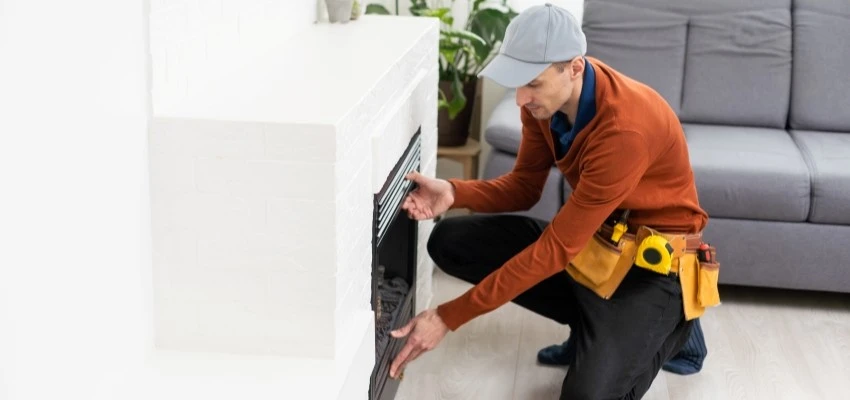
Ready for the season with Fireplace Experts in Abbotsford
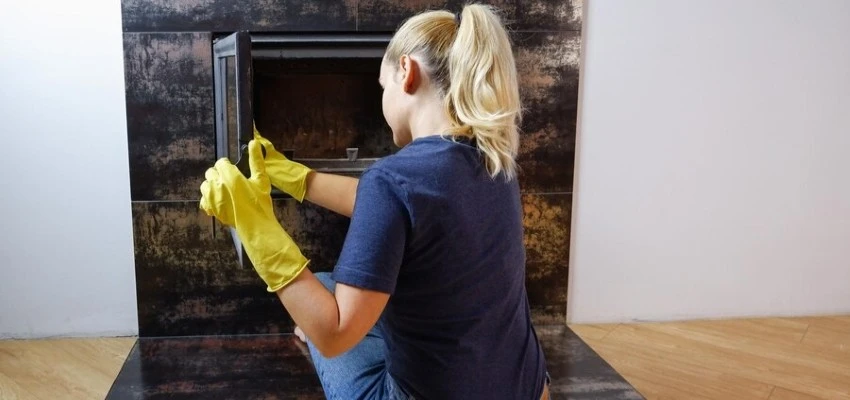
Control area vacuumed during Gas Fireplace Cleaning
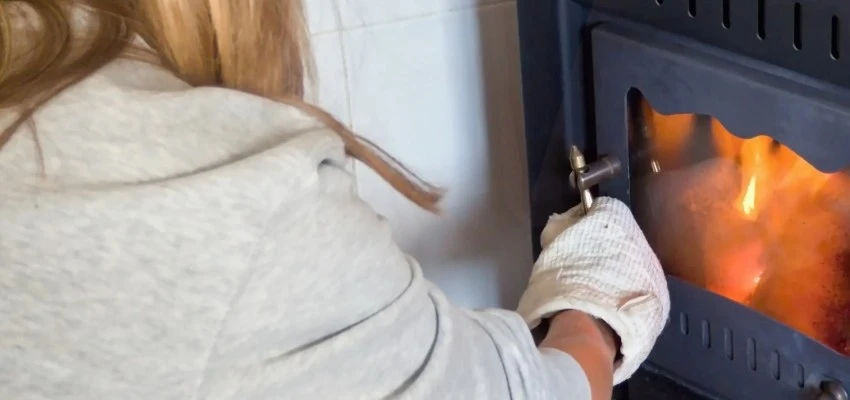
Yearly Gas Fireplace Maintenance in Abbotsford, before the cold arrives