Chimney problems are hard to judge from the ground, and climbing up for a closer look is not something we recommend. A clear explanation is the safer first step. This page covers what people in Abbotsford usually want to know after a search for “chimney flashing services”: what tends to go wrong, what a repair visit involves, what affects the price and how to tell a careful company from a hasty one. It is written to help you understand chimney flashing repair, not to push you into it.
Repairs matter because chimneys tend to fail slowly at first and then expensively. We regularly open up a chimney where a minor issue, such as a missing cap or one cracked mortar joint, was left alone for a few seasons. By then, water has soaked the bricks, rusted the damper or softened the wood framing beside the stack. Work at that stage takes longer and uses far more material. Catching the same fault early usually means a short visit and a modest bill. There is a safety side too, because a damaged flue or liner can let heat and smoke escape where nobody expects them.
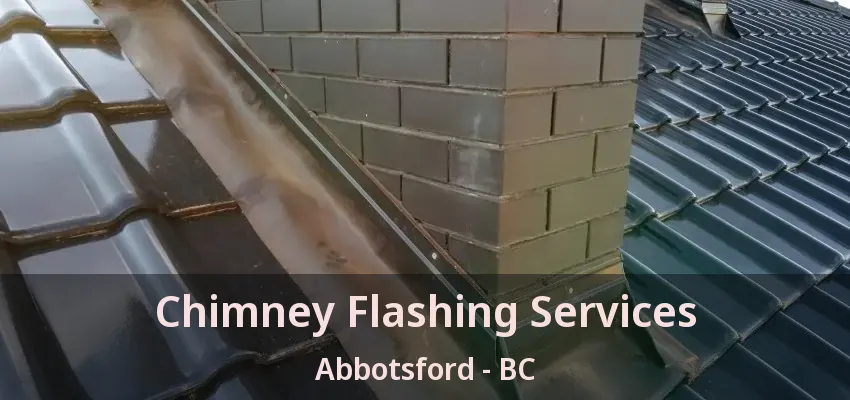
The signs we trust most are darkened wood beside the chimney in the attic and lifted or caulk-covered metal where the chimney meets the roof. Flashing is a weak spot because it joins two things that move differently: a heavy masonry stack and a roof that shifts with the seasons. Done properly, it has two layers, step flashing woven in with the shingles and counter-flashing set into the mortar joints and folded down over it. Trouble starts when one layer is missing, when everything relies on caulk or when roofers reused tired metal during a reroof.
A cricket, also called a saddle, is a small peaked structure built on the uphill side of a chimney so rain and snow split and flow around it instead of piling up against the brick. It is framed, sheathed and covered with metal or roofing, then tied into the flashing. Wide chimneys and chimneys on low-slope roofs benefit most, because water and debris collect behind them. Signs that one is missing include leaves packed behind the chimney and leaks that appear on the uphill side. If you are comparing quotes for “chimney flashing services”, ask whether a cricket is included or recommended.
It depends on the part being repaired. Caps, crowns, flashing, upper masonry, chase covers, chimney fans and top-sealing dampers are reached from the roof or from ladders set against the chimney. Throat dampers, fireboxes, ash dumps, cleanout doors and many vent connections are handled from inside the house or at ground level. Roof work is planned around the weather, the pitch of the roof and safe ladder placement. Homeowners should not climb up to inspect or repair a chimney themselves; binoculars from the yard or the technician’s photos will tell you what you need to know.
Chimney flashing is repaired by resealing it when the metal is still sound or by replacing it when it is rusted, bent or installed incorrectly. Resealing means cleaning out failed caulk and applying a new flexible sealant where the counter-flashing meets the brick. Replacement involves lifting the surrounding shingles, fitting new step flashing piece by piece, cutting a groove into a mortar joint for new counter-flashing and sealing it in. Wide chimneys may also get a cricket, a small peaked diverter on the uphill side that steers water around. Sealant alone is a short-term fix when the metal underneath has failed.
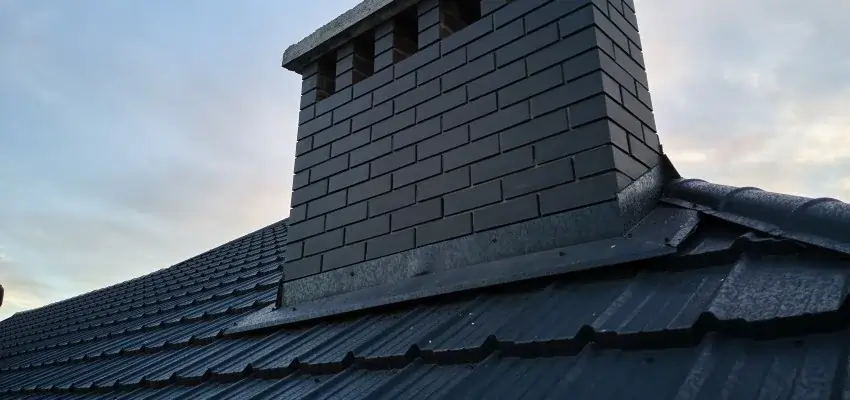
Well-installed metal flashing often lasts as long as the roof around it, sometimes longer, while the sealant along the counter flashing usually needs renewing sooner. Lifespan depends on the metal, how it was fastened, sun exposure and whether the chimney moves or settles. Flashing that relies on tar or caulk instead of proper overlaps may start leaking within a few seasons. A check during each yearly chimney inspection, looking for lifted edges and cracked sealant, is the simplest way to stay ahead of it. Small reseals during chimney flashing repair cost far less than repairing a soaked ceiling later.
A common guideline is to have a chimney inspected once a year, and many homeowners schedule it before the colder months when the fireplace sees more use. Yearly checks catch small problems such as a loosening cap, a new crack in the crown or a worn mortar joint before they let water in. It also makes sense to have the chimney looked at after a major storm, a chimney fire, a roof replacement or any change of insert, stove or appliance. Chimneys that are rarely used still need checking, because weather damages them whether or not you light fires.
Mention what the chimney is made of, what it serves and what you have noticed, because a few details on the phone save a lot of time on the roof. We ask which appliances use the flue, how many stories the house has and how steep the roof is. We ask what you have seen: a stain, debris in the firebox, a stuck handle, a rattling cap, smoke in the room. We ask when it started and whether a roofer or another contractor worked nearby recently. Two quick phone snapshots, one of the chimney top from the yard and one of the problem area inside, often tell us which parts and ladders to bring on the first trip.
The questions that matter most are about cause, scope and surprises, and any capable chimney company can answer them in plain words. Cause: why is this happening, and how do you know? Scope: which parts are included, which materials, and is the chimney top part of the job? Surprises: what happens if rotten framing or a cracked flue tile turns up halfway through? It is also fair to ask who will be on your roof, how long new mortar needs before a fire and how the site will be left. We welcome these questions, because they lead to fewer misunderstandings later.
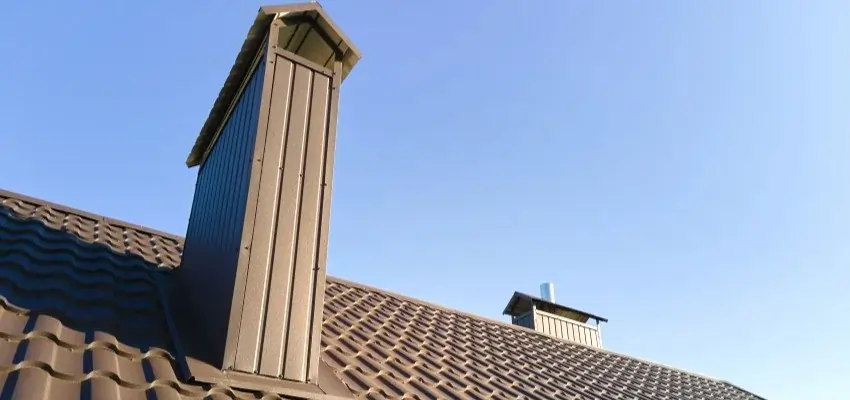
Renovations, inspections and sales are all good reasons to check the parts of a home that are usually out of sight. We can fit the visit around your contractors or your listing date. Request a quote for chimney flashing repair and mention your timeline.
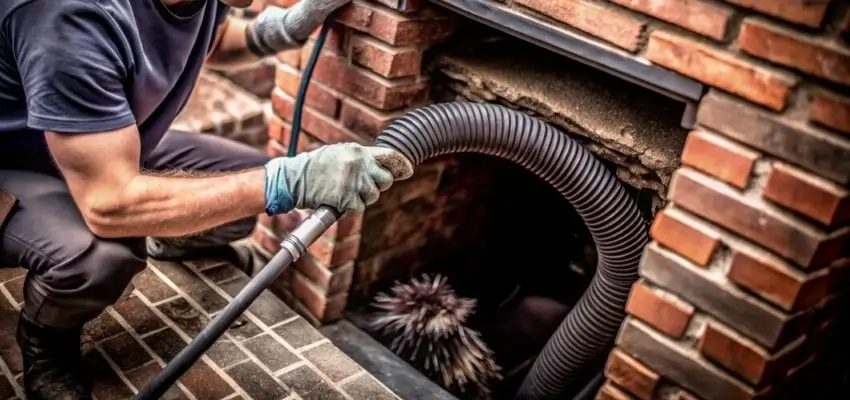
Flue last swept long ago? Chimney Cleaning in Abbotsford
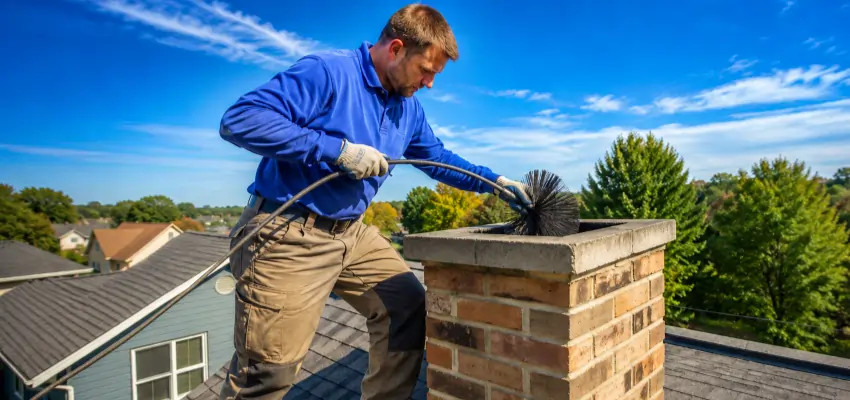
Creosote cleared, flue inspected: Chimney Sweep for Abbotsford
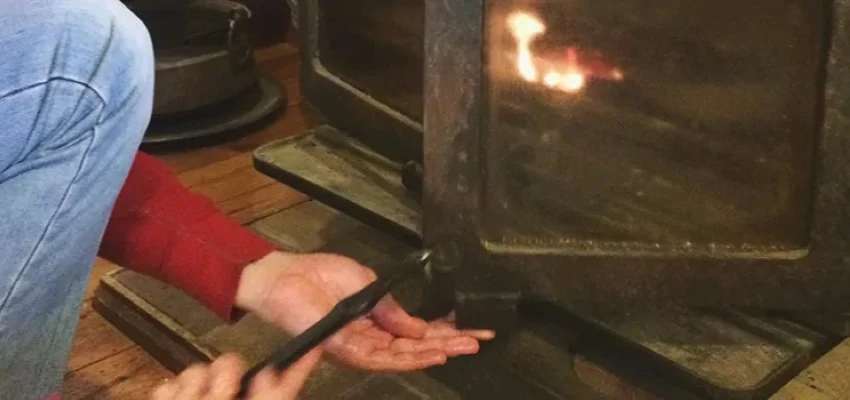
From roof cap to firebox, Chimney Sweep Services in Abbotsford
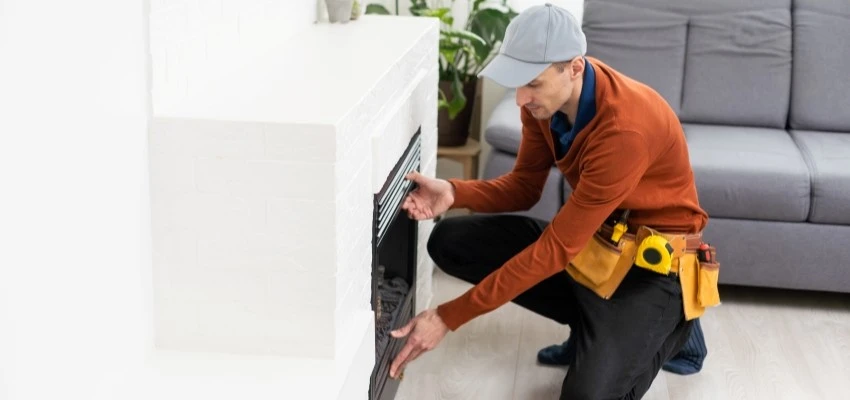
Ready for the season with Fireplace Experts in Abbotsford
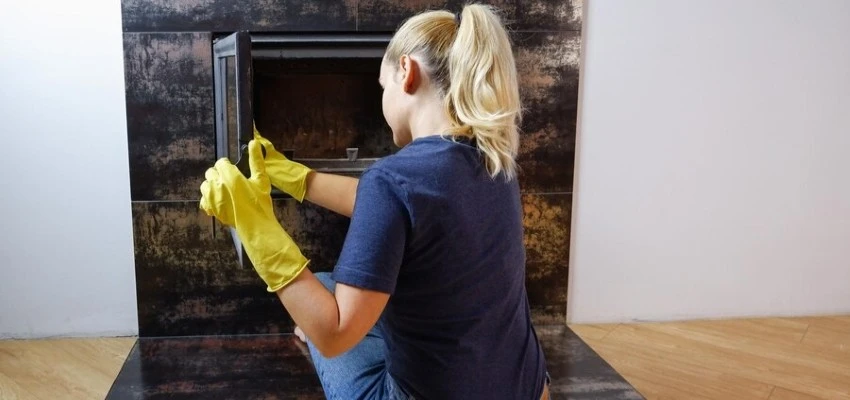
Control area vacuumed during Gas Fireplace Cleaning
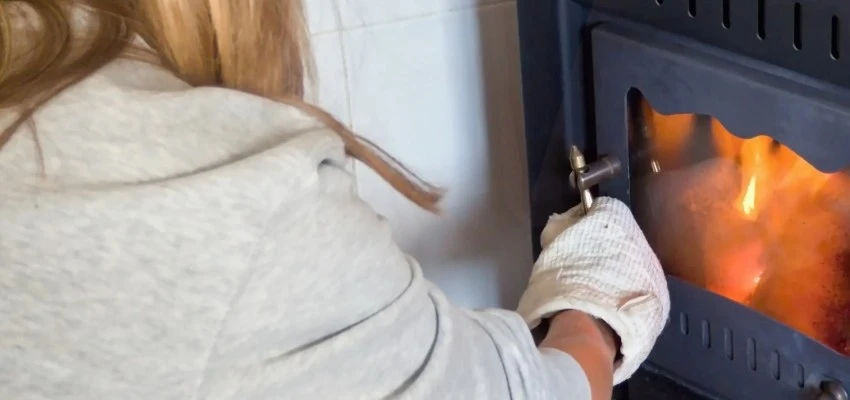
Yearly Gas Fireplace Maintenance in Abbotsford, before the cold arrives