Chimney problems are hard to judge from the ground, and climbing up for a closer look is not something we recommend. A clear explanation is the safer first step. This page covers what people in Abbotsford usually want to know after a search for “chimney fan services”: what tends to go wrong, what a repair visit involves, what affects the price and how to tell a careful company from a hasty one. It is written to help you understand chimney fan service, not to push you into it.
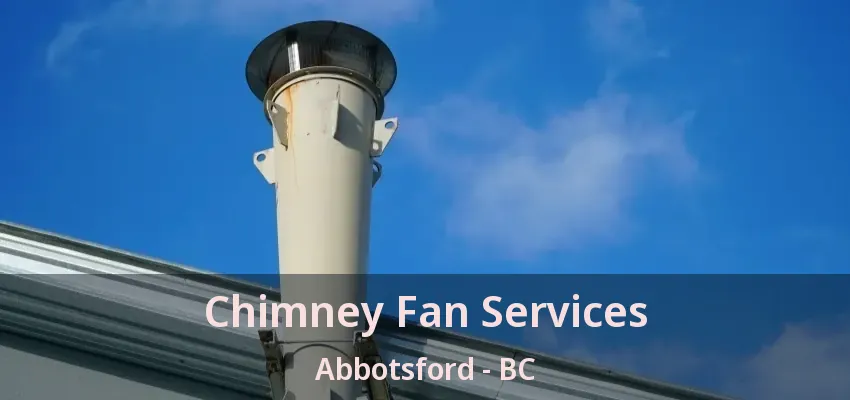
A chimney fan creates draft on demand, which is why we suggest one only after ruling out simpler causes of a smoky fireplace. Draft normally comes from warm gases rising up a tall enough flue. When the house, the chimney height or the surroundings work against that, smoke lingers at the firebox opening and drifts into the room. A fan at the top of the stack draws the exhaust out mechanically. Before recommending one, we check for blockages, damper faults and air-pressure issues in the house, since fixing the real cause is sometimes simpler. When a fan is the right answer, the difference is usually immediate.
The most obvious sign is the return of the problem the fan was meant to solve: smoke drifting into the room or a stove that struggles to draw. Other clues include new noises such as grinding, squealing or rattling from the roof, a fan that starts slowly or not at all, vibration you can feel in the chimney and a speed control that seems to have no effect. If the fan sounds damaged, stop adding fuel and let the fire burn out before switching the fan off, since some chimneys cannot draw well without it. Keep carbon monoxide alarms working, open a nearby window if smoke spills and arrange chimney fan service; a fan wheel or motor can often be repaired or replaced without changing the whole unit.
Smoke rolls into the room when the chimney’s pull is weaker than the forces pushing air back down, and our job is finding out which side of that balance is off. On the chimney side, we look for blockages, a flue sized wrong for the opening, a stack that ends below a nearby roof peak and missing or clogged air supply vents. On the house side, kitchen and bathroom exhaust fans, a running clothes dryer and an airtight modern envelope can all create negative pressure. Sometimes the cure is a fresh-air vent, sometimes a chimney fan, and occasionally just cleaning a clogged cap.
A chimney repair visit normally starts with an inspection to confirm the problem and check for anything related. The technician protects the area around the fireplace and, for exterior work, sets up ladders or roof anchors. Then the damaged part is removed or prepared, whether that means grinding out mortar, cutting away old sealant, unbolting a cap or opening a damper assembly. New materials go in, and the work is checked for fit and weathertightness. At the end you should see the finished work or photos of it and hear about anything else that turned up along the way.
We suggest once a year for most chimneys, with extra visits after anything unusual. A yearly look from the roof and up the flue shows us how earlier repairs are holding and whether anything new has appeared. Events that justify an extra check include a strong windstorm, hail, a lightning strike nearby, a roofer working around the chimney and any time an appliance is added or swapped. A chimney you never use is not exempt; some of the worst weather damage we find is on chimneys nobody has looked at in years, simply because no one noticed the warning signs inside.
After a repair, the main job is to watch for changes and keep water and debris away from the chimney. Follow any instructions about when the fireplace can be used again, since new mortar or crown material may need time to cure. In the first few rains, check the ceiling and walls near the chimney for stains and look in the firebox for water or debris. Keep tree branches trimmed back from the chimney top and the gutters near it clear. Book a yearly inspection so small wear is caught early, and file the paperwork from the repair for future reference.
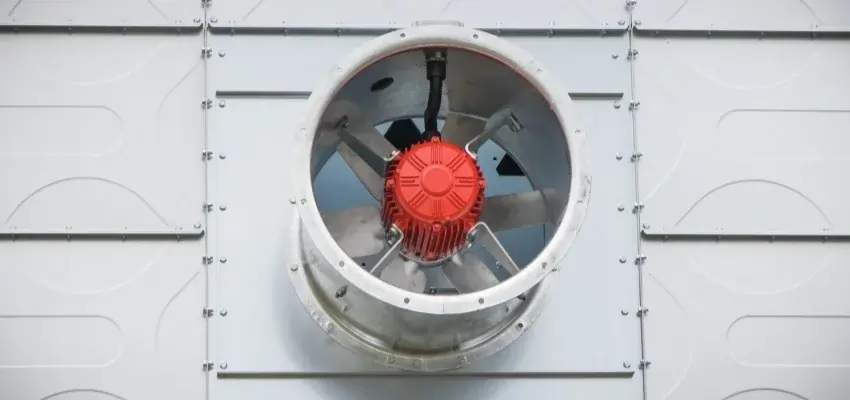
A chimney fan needs a regular cleaning and a quick mechanical check, usually during the yearly chimney sweep. Soot and creosote build up on the fan wheel and housing, which can unbalance it and reduce airflow, so the technician opens the unit, cleans those parts and checks that the motor turns freely and quietly. Wiring, the mounting base and the indoor speed control get a look too. Many fans are hinged so the flue can still be swept from the top. If you are looking into “chimney fan services”, ask whether fan cleaning is included with sweeping or quoted separately.
Local crews know the chimneys in the area, and that knowledge saves time and guesswork. Working the same streets season after season, we learn which subdivisions have tall chimneys on steep roofs, which builders used flat chase covers that rust and which older districts still have original clay liners. That history makes the first diagnosis faster and quotes more accurate. Being close by also means we can come back to check a repair after heavy rain without it becoming a major trip. When you call Chimney Sweep Abbotsford, you reach people who work on chimneys around Abbotsford every week.
Comparing chimney repair quotes is easiest when each one describes the same work. Check that every quote names the parts being repaired, the materials, how far the work extends, for example the whole chimney or just the top courses, and whether clean-up, disposal and any permits are included. Look at how each company would handle extra damage found during the job. A much lower quote often covers less: a sealant coating instead of a new crown, or patching a few joints instead of repointing the weathered side. A fair quote is specific, in writing and explained without pressure.
From townhouses to detached homes, we see a wide range of setups around Abbotsford and plan each visit around the home in front of us. If it is time to have your chimney looked at, get in touch with Chimney Sweep Abbotsford and we will arrange a time that suits you.
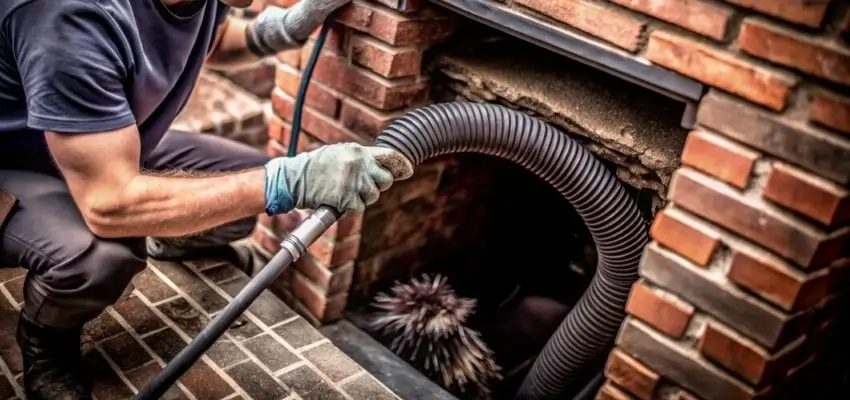
Flue last swept long ago? Chimney Cleaning in Abbotsford
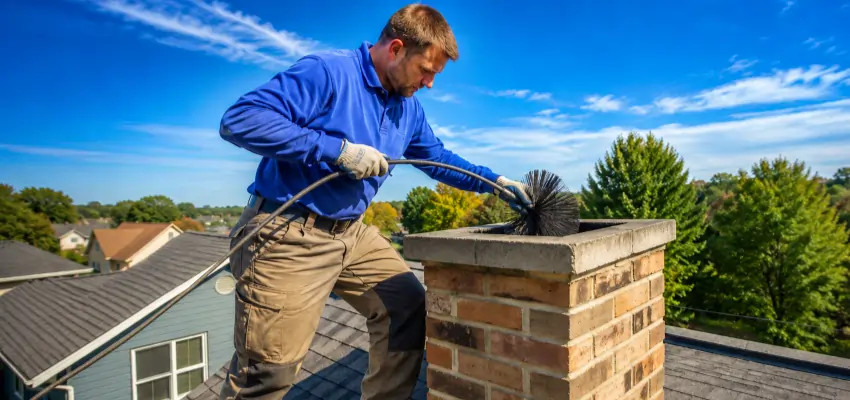
Creosote cleared, flue inspected: Chimney Sweep for Abbotsford
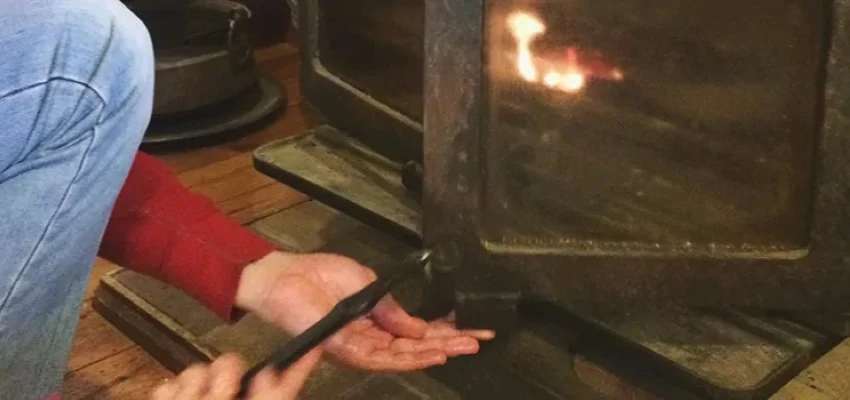
From roof cap to firebox, Chimney Sweep Services in Abbotsford
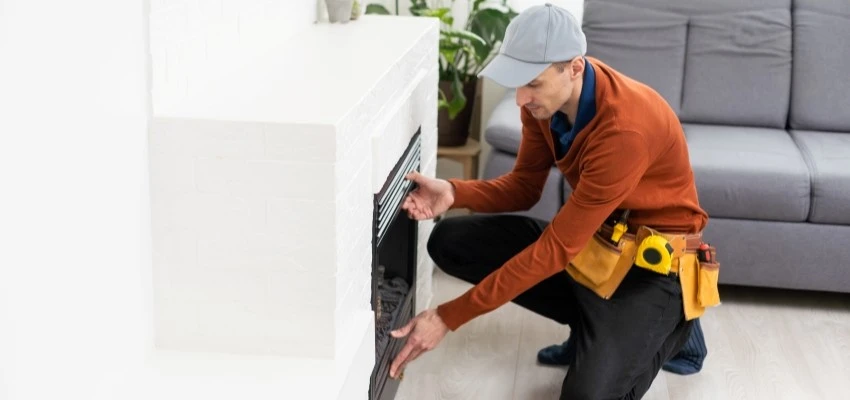
Ready for the season with Fireplace Experts in Abbotsford
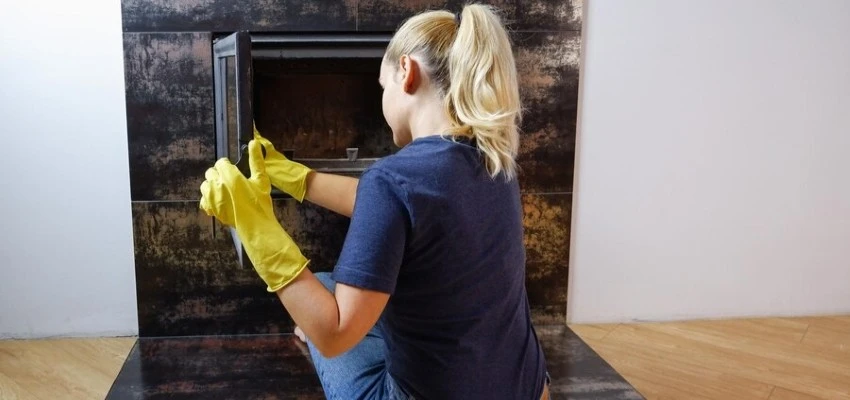
Control area vacuumed during Gas Fireplace Cleaning
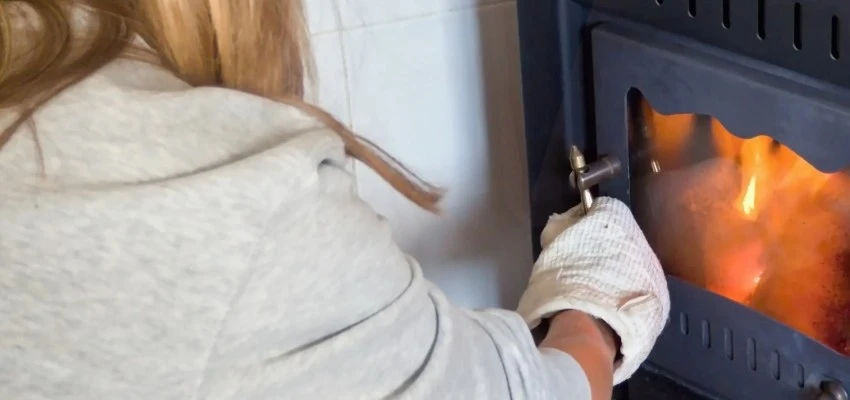
Yearly Gas Fireplace Maintenance in Abbotsford, before the cold arrives