Maybe you just took over a property with a fireplace nobody explained to you. Maybe you have run the same stove for many winters and never thought much about the flue above it. Either way, looking up “chimney experts” means you are already asking the right questions. This page gathers what people in Abbotsford usually want to know about chimney service, explained the way a technician would at your hearth.

Signs of a chimney fire include a loud roaring or popping sound, dense smoke, a strong hot smell and sparks or flames from the top of the chimney, but many chimney fires burn quietly and are only discovered later. Afterward you might notice puffy, honeycomb-like flakes of creosote on the roof or ground, a warped damper or cap, cracked flue tiles or discolored metal. If you think a fire is happening, get everyone outside and call the fire department. If you suspect one happened in the past, stop using the fireplace or stove until the chimney has been inspected.
They compare the inside area of the flue with the appliance it serves. An open fireplace needs a flue large enough for the size of its opening, while a stove or insert needs one close to the size of its outlet. A flue that is too small struggles to carry smoke and often spills it into the room. One that is far too large lets smoke slow down and cool, which builds creosote and weakens draft. Measuring the opening, the outlet and the flue, then looking at chimney height, is part of a thorough chimney service assessment when draft problems persist.
A chimney camera is worth using because it shows the full length of the flue, where cracks, gaps and hidden buildup sit far beyond the reach of a flashlight. From the bottom or top you can see only a few feet in; the camera travels the whole way on a flexible rod and records what it finds. It can reveal broken or shifted tiles, missing mortar between sections, damage from an old chimney fire, separated metal joints and obstructions partway up. Ask to see the footage or still images. They make a recommendation much easier to understand and to compare if you want a second opinion.
A standard chimney sweep usually takes about an hour to an hour and a half for a single flue. Expect more time if there are several flues, if a stove or insert has to be disconnected, if the roof is steep or high, or if the buildup is heavy or glazed. A camera inspection or a written report adds a little more. Plan to be available for the whole visit and for a short conversation at the end, when the technician explains what was found. If your day is tight, describe your setup when booking so the company can give you a realistic window.
A chimney quote is mostly time, access and materials, in that order. A single-story house with a gentle roof pitch and one lightly coated flue is quick. A three-story chimney, a slate or tile roof that needs extra care, or a cluster of flues on an apartment building calls for more equipment and more hands. Condition matters too: a flue we can brush in one pass costs less than one that needs rotary tools or several trips. Parts such as caps, dampers or liner sections are separate from labor. We would rather explain those factors up front than surprise anyone later.
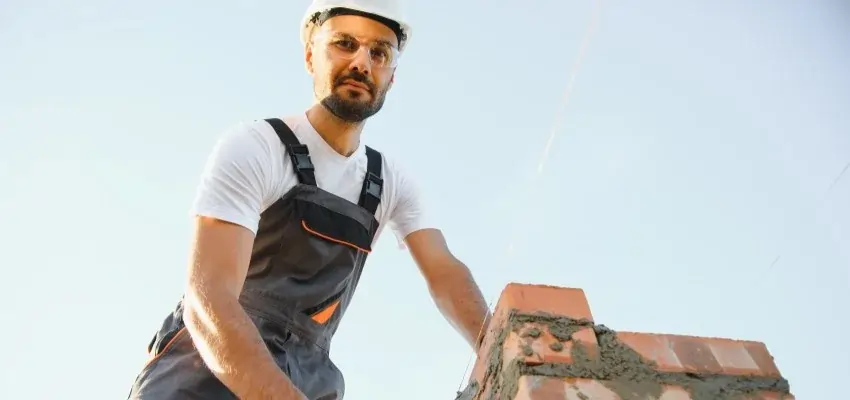
Tell us what burns in the chimney, what kind of appliance it serves, how tall the building is and what made you call, because those details save guesswork later. Wood, gas or both? A fireplace, an insert or a freestanding stove? Is the roof steep, tiled or metal? Have you had any trouble, like smoke in the room or scratching noises? Has anything changed recently, such as a new appliance or a renovation near the chimney? Those answers tell us whether to bring extra rods, roof gear or a camera, and how much time to reserve. We work around Abbotsford every week, so a good description helps us plan your slot.
A local company brings knowledge a visiting crew would have to guess at, and that is the main reason to hire one. Working the same area season after season, we learn which streets have older brick chimneys with clay liners, which developments used factory-built metal flues and where storms tend to loosen caps. We also know local burning habits and when the fall rush begins. That makes quotes more accurate and visits shorter. When you call around Abbotsford, ask where the crew is based and whether the same technician can come back for a follow-up.
Chimney work depends on understanding draft, heat and how smoke behaves, not just on being handy with tools. People who specialize in chimneys know how flue size should match the appliance, how liners age, what damage from a past chimney fire looks like and why one fireplace smokes while the next one does not. They also carry the equipment that goes with the trade: rods and brushes for different liners, rotary tools, cameras and roof safety gear. When you weigh companies that call themselves “chimney experts” against someone who does a bit of everything, ask what share of their week is spent on chimneys.
Look for a company whose technicians explain what they are doing as they do it; in our experience, that habit says more than any advertisement. Good chimney work is mostly visible only to the person on the roof, so the way a company shares photos, measurements and findings is your window into its standards. Ask how it protects floors and furniture, whether a camera check is included and who will actually come. Notice whether it separates urgent issues from ones that can wait. How a company handles your first phone call tends to match how it will handle your chimney.

The weeks before heavy use are the calmest time to deal with your chimney. Appointments are easier to find and any repair can be planned without pressure. Book chimney service in Abbotsford while your calendar still has room.
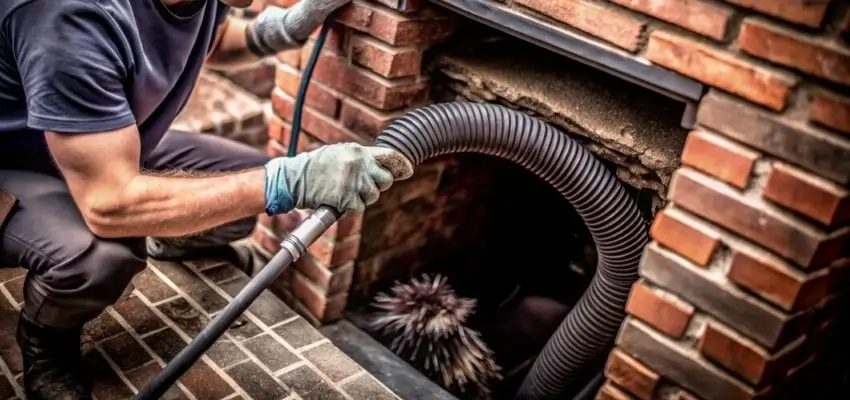
Flue last swept long ago? Chimney Cleaning in Abbotsford
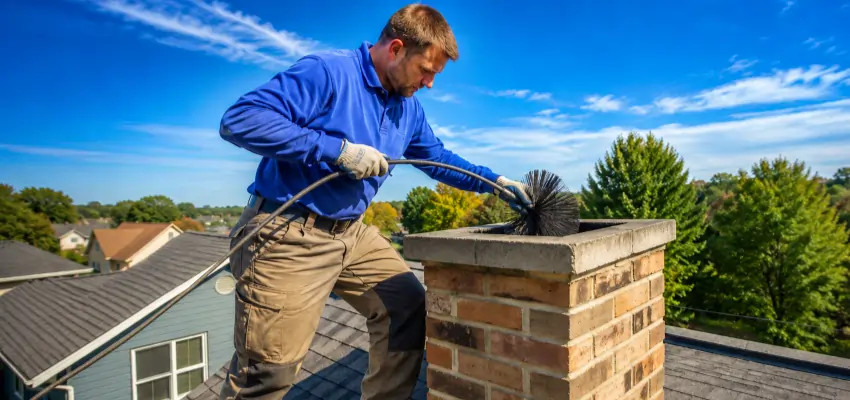
Creosote cleared, flue inspected: Chimney Sweep for Abbotsford
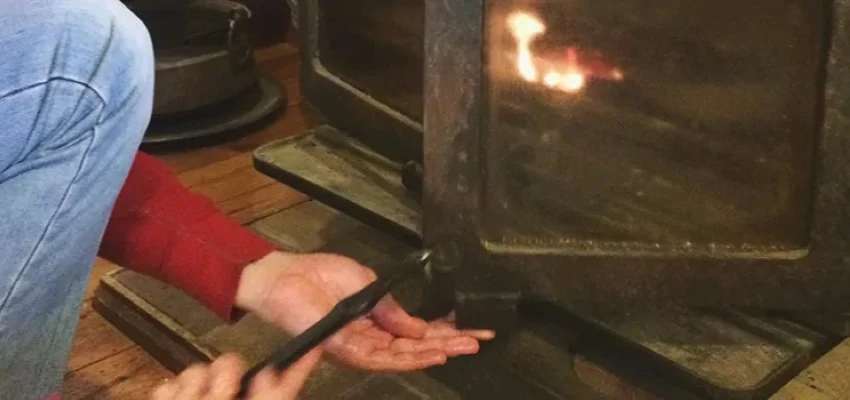
From roof cap to firebox, Chimney Sweep Services in Abbotsford
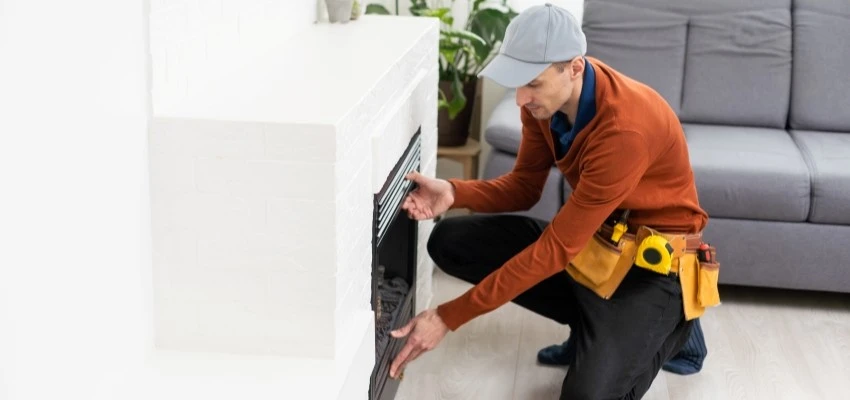
Ready for the season with Fireplace Experts in Abbotsford
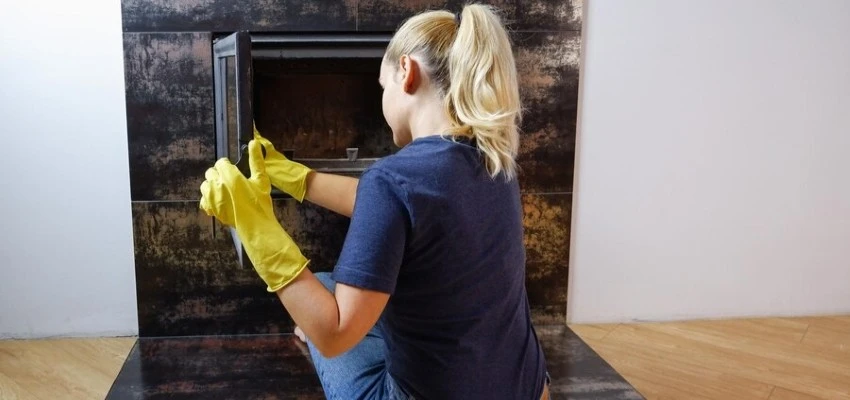
Control area vacuumed during Gas Fireplace Cleaning
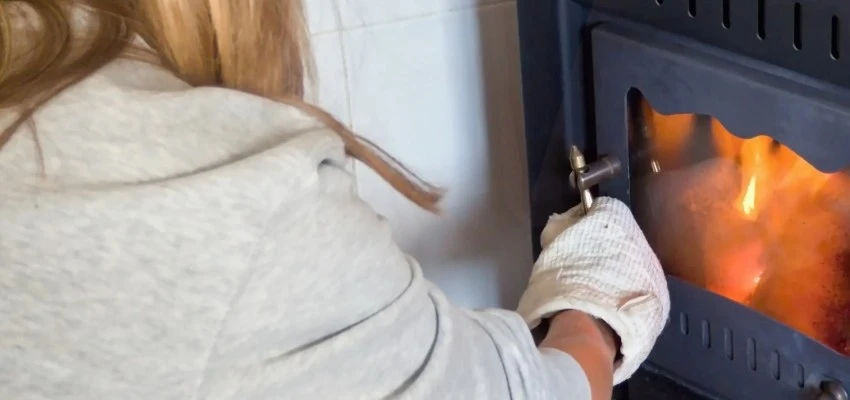
Yearly Gas Fireplace Maintenance in Abbotsford, before the cold arrives