Chimney care attracts plenty of half-truths: that gas never leaves anything behind, that a roaring fire burns the flue clean, that a sweeping log does the whole job. A search for “chimney creosote cleaning” tends to turn up all of them at once. The answers here sort fact from folklore for anyone in Abbotsford with a fireplace, stove or other appliance venting through a chimney, and they explain what creosote cleaning can and cannot do for yours.

Soot is dry carbon and creosote is a tar-based wood smoke residue, and telling them apart helps us work out what is going on with the appliance. Soot wipes off on a fingertip and falls easily under a brush. When we find heavy soot in a flue serving a gas furnace, boiler or fireplace, we take it as a sign the burner may need attention from a qualified gas technician. Creosote, by contrast, tells us how the wood fires have been run: flaky deposits suggest reasonably hot burning, while sticky or glassy layers point to cool, smoky fires or firewood that was not dry enough.
The clearest sign a chimney needs sweeping is black, flaky buildup you can see on the damper or falling into the firebox. Other clues often show up alongside it:
Any one of these is worth a check. Two or three together usually mean the flue is overdue.
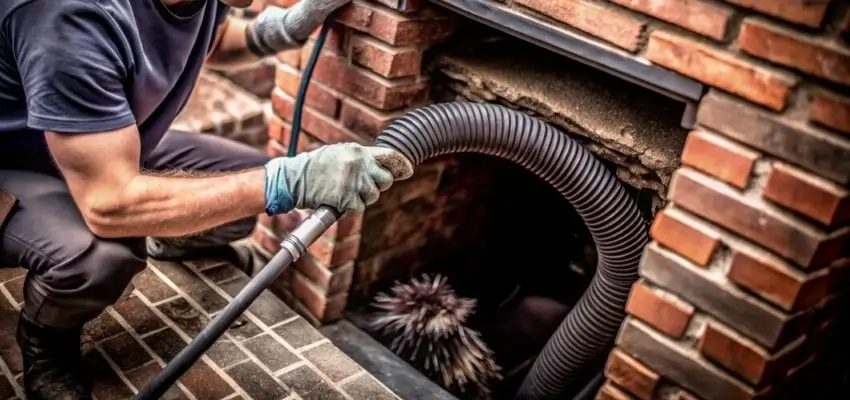
During a chimney sweep, the technician scrubs the inside of the flue from top to bottom and removes the loosened buildup without spreading it through the room. A typical visit starts with drop cloths around the hearth and a powerful vacuum set up at the fireplace or stove opening. Brushes sized to the flue are run through on flexible rods, from below, from the roof or both. The smoke chamber, damper and firebox are cleaned as well. Most sweeps finish by checking the cap and the visible parts of the chimney and telling you what they saw, including anything that needs attention later.
Yes, though the method depends on how the insert is connected. Many inserts vent through a full stainless liner running up the chimney, which can be swept from the roof or through the insert after its baffle is removed. Older installations sometimes have only a short connector into the original flue, and those often need the insert pulled forward so the smoke chamber and flue above can be reached. Pulling an insert takes more time and care. When booking creosote cleaning, mention that you have an insert and, if possible, how it connects, so the crew brings the right tools.
The goal is the same, but the hot spots are not. In an open fireplace, the heaviest creosote usually lines the smoke chamber above the damper and the first few feet of flue, so those areas get the most scraping. A wood stove sends smoke through a narrower connector pipe, often with elbows, and deposits pile up there and around the baffle inside the stove. Stoves also tend to produce stickier buildup because they run with restricted air. A “chimney creosote cleaning” visit for a stove therefore takes in the stove interior and pipe as well as the chimney itself.
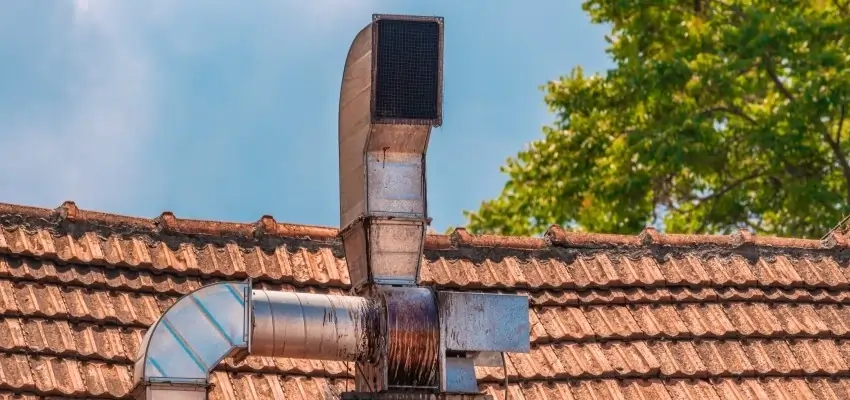
We tell most owners to plan on a yearly visit and let the findings set the sweeping schedule. If we pull out a heavy load after one season, the chimney should be checked sooner next time; if the flue is lightly coated, stretching the interval is reasonable. Fuel and habits matter more than the calendar. Dry hardwood burned hot leaves far less behind than damp wood or a stove turned down overnight, and inserts and stoves often need attention more often than open fireplaces. Keeping a note of each visit and what came out makes the right rhythm for your chimney easy to see.
Preparing for a chimney visit mostly means letting the fireplace or stove cool and clearing space around it. Skip fires for at least a day beforehand so the ashes and flue are cold. Move furniture, rugs, screens and decorations a few feet back from the hearth, and take fragile items off the mantel. Outside, make sure the technician can reach the roof: unlock gates, move vehicles away from the walls where a ladder may go and keep pets indoors. Note anything unusual you have noticed, such as smells, sounds or smoke, and have the date of the last cleaning handy if you know it.
The chimneys we find cleanest belong to owners who burn hot and dry. Creosote forms when smoke cools before it leaves the flue, so anything that keeps smoke hot and thin helps. Well-seasoned wood looks gray, has cracked ends and knocks hollow; heavy, fresh-looking logs hiss and smoke. Top-down fires, with kindling above the larger pieces, tend to burn cleanly from the start. Stove owners who run a brisk fire for a while each morning, rather than smoldering it all night, also see less buildup. A flue that stays lightly coated from one year to the next is the clearest proof the routine is working.
The biggest advantage of a chimney company that works nearby is familiarity with the buildings, weather and chimney styles of your area. Neighborhoods built in the same era tend to share construction details, so a nearby technician has likely seen your type of chimney many times. Local crews can also schedule more flexibly and return easily if a cap needs adjusting or you have a question later. Before booking, confirm the company works in your area itself rather than passing the job along, and ask for a clear arrival window. Recent reviews from nearby addresses are a useful check.
We would rather you book the service you actually need than the biggest package on the list. Tell us what is going on and we will explain what we recommend for your chimney and why. Call (778) 909-5649 to speak with the team serving Abbotsford.
Flue last swept long ago? Chimney Cleaning in Abbotsford

Creosote cleared, flue inspected: Chimney Sweep for Abbotsford
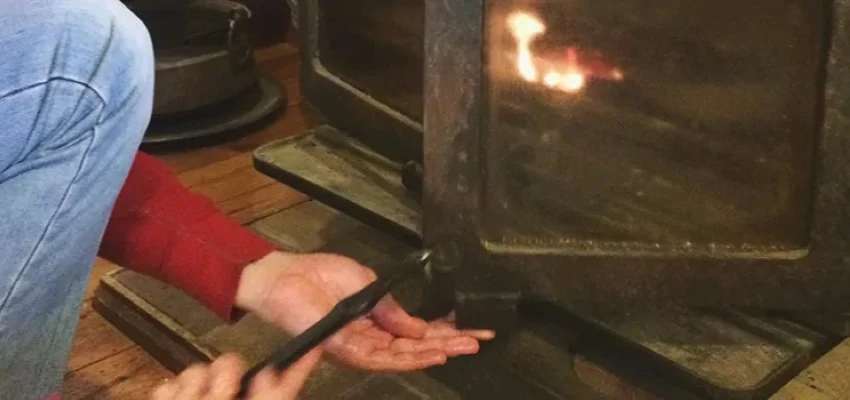
From roof cap to firebox, Chimney Sweep Services in Abbotsford
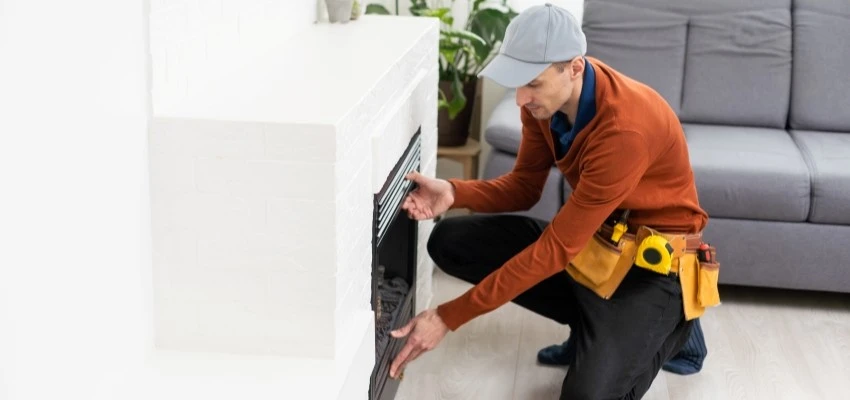
Ready for the season with Fireplace Experts in Abbotsford
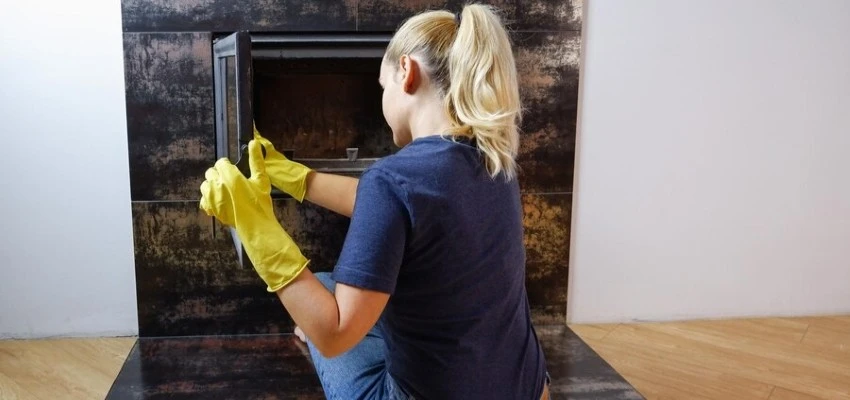
Control area vacuumed during Gas Fireplace Cleaning
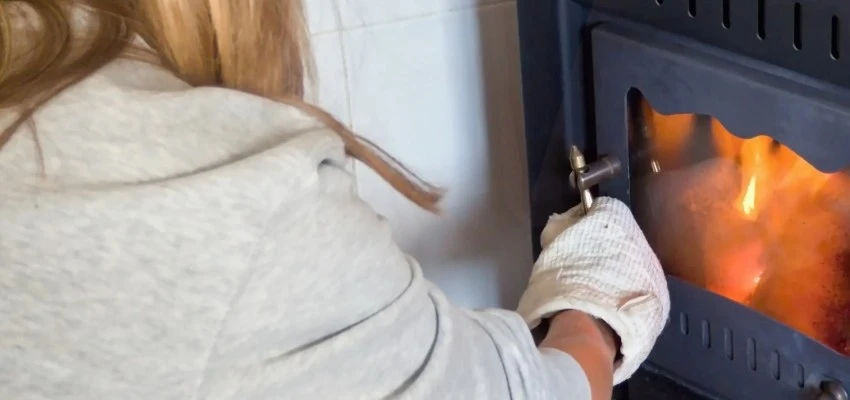
Yearly Gas Fireplace Maintenance in Abbotsford, before the cold arrives