Most chimney damage starts small. A hairline crack, a gap in a seal or a sticky part rarely looks urgent, and for a while it may not be. Water and heat are patient, though, and small faults tend to grow. This page is for anyone in Abbotsford who has been searching for “chimney cover services” and wants to understand chimney cover service before a minor issue turns into a major one, with clear answers on signs, process, timing and choosing who does the work.

A masonry chimney has more parts than most people realize, and each one can need repair on its own. From the top down, you will usually find:
Inside the house sit the damper, the smoke chamber, the firebox and sometimes an ash dump. Factory-built chimneys swap the brick for a metal flue inside a framed chase with a metal cover on top.
Stains, debris and stiff moving parts inside the house are usually the first signs, long before anything looks wrong from the yard. A water mark on the ceiling beside the chimney, a musty smell when it rains, flakes of tile or mortar in the firebox and a damper that has gone stiff all point to something above. Outside, white chalky deposits on brick tell us water is moving through the masonry, and dark streaks below the cap or chase cover suggest rust. Smoke that hangs at the fireplace opening points to a draft problem. We trace each clue back to its source before suggesting any repair.
We run repairs in a set order: confirm, protect, fix, test, explain. Confirming means checking the chimney ourselves rather than relying only on the phone description, because the cause of a leak or a stuck part is not always where it seems. Protecting covers drop cloths inside and care around shrubs and shingles outside. The repair itself depends on the part involved. Testing might mean running water over new flashing, cycling a damper several times or checking draft with a little smoke. We finish by walking you through what we did and showing photos of areas you cannot see from the ground.
Chimney caps come in a few main materials and styles. Stainless steel is a common choice because it resists rust for many years; copper looks distinctive and also lasts a long time; galvanized or painted steel costs less up front but tends to rust sooner. Single-flue caps fit over one flue tile, while multi-flue or full-width caps cover the whole top of the chimney. Mesh size matters too, since very fine screens clog faster. A new cap is measured to the flue or crown and fastened securely so wind cannot lift it, which is why careful measuring comes before ordering.
A full-width cover, sometimes called a multi-flue cap, is a single metal hood that sits over the entire top of a chimney rather than one flue. It is fastened to the crown or the outer bricks and has mesh sides all around. It makes sense when a chimney has several flues close together, when individual tiles are too short or damaged to clamp a cap to, or when the crown needs shelter from direct rain. It does not replace crown repair, though. If you are considering one through “chimney cover services”, ask how it will be anchored and whether the flues keep enough clearance below the hood.

The cost of chimney repair depends mostly on the part being fixed, how much damage there is and how hard the chimney is to reach. A tall chimney on a steep roof needs more equipment and time than a short one on a gentle slope. Materials vary too: stainless steel, copper and custom-sized parts cost more than standard ones, and masonry work depends on how many joints or bricks are involved. Hidden damage found once work begins, such as rotted framing under a chase cover, can add to the total. A written quote that spells out the scope makes comparisons easier.
Usually, yes. A cover fastened to a crumbling or badly cracked crown may not stay secure, and sealing the crown is easier before the cover is in the way. Minor hairline cracks can often be sealed the same visit, just before installation. A crown that is broken through may need rebuilding first, with the cover fitted once the new surface has cured. Ask the company to check the crown during the quote visit so both jobs can be planned together. People researching “chimney cover services” are often surprised that the crown matters as much as the cover, but the two work as one unit.
Mention what the chimney is made of, what it serves and what you have noticed, because a few details on the phone save a lot of time on the roof. We ask which appliances use the flue, how many stories the house has and how steep the roof is. We ask what you have seen: a stain, debris in the firebox, a stuck handle, a rattling cap, smoke in the room. We ask when it started and whether a roofer or another contractor worked nearby recently. Two quick phone snapshots, one of the chimney top from the yard and one of the problem area inside, often tell us which parts and ladders to bring on the first trip.
The repairs we make hold up longest when the rest of the chimney system is looked after too. That means a cap that stays in place with clear mesh, a crown kept free of leaves and moss, flashing left alone by anyone doing roof work and regular sweeping if you burn wood, because creosote and moisture attack the inside of the flue. We tell homeowners exactly how long to wait before the first fire after masonry work. After that, a glance at the chimney from the yard after big storms and a professional look once a year usually keeps surprises to a minimum.

Start with whatever you noticed, even if it seems minor. A short description is enough for us to suggest the right kind of visit for your chimney. Call (778) 909-5649 and the Chimney Sweep Abbotsford team will guide you from there.
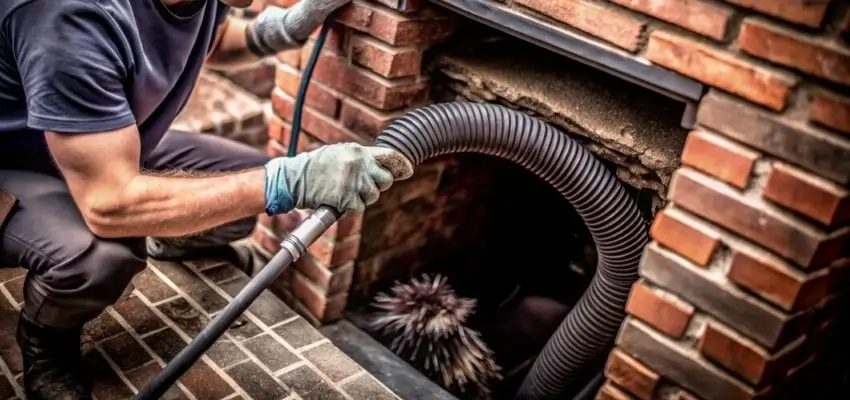
Flue last swept long ago? Chimney Cleaning in Abbotsford

Creosote cleared, flue inspected: Chimney Sweep for Abbotsford
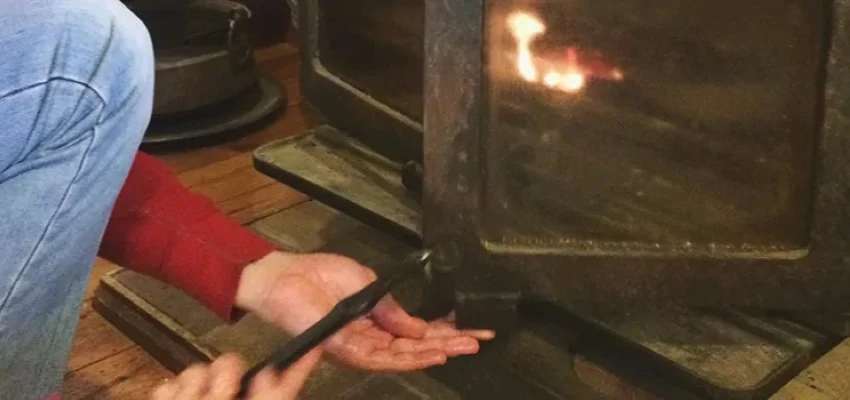
From roof cap to firebox, Chimney Sweep Services in Abbotsford
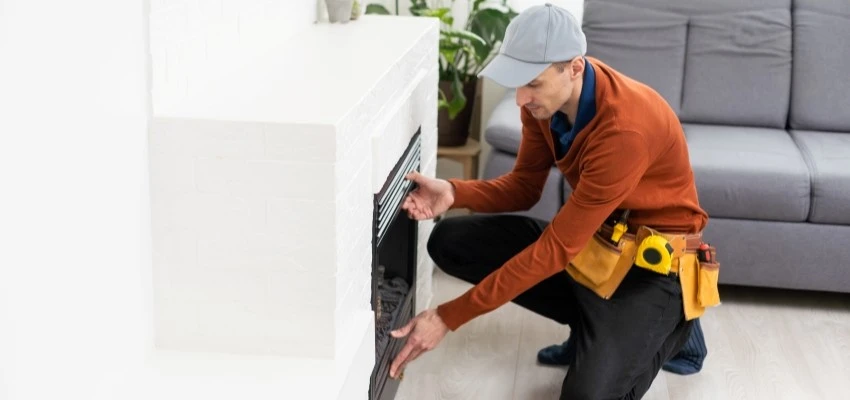
Ready for the season with Fireplace Experts in Abbotsford
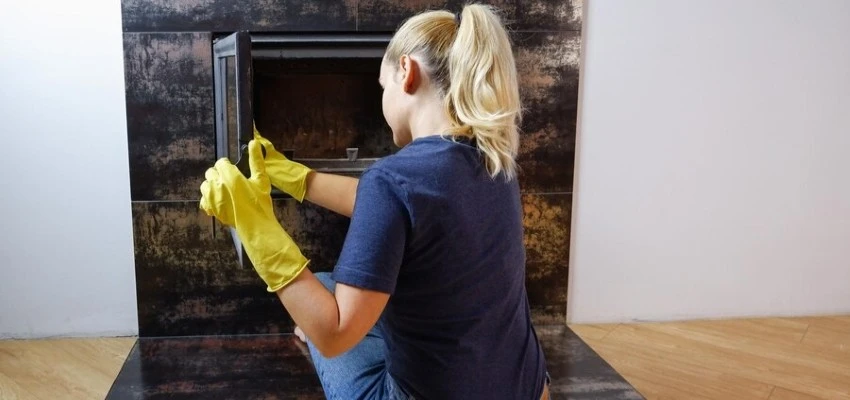
Control area vacuumed during Gas Fireplace Cleaning
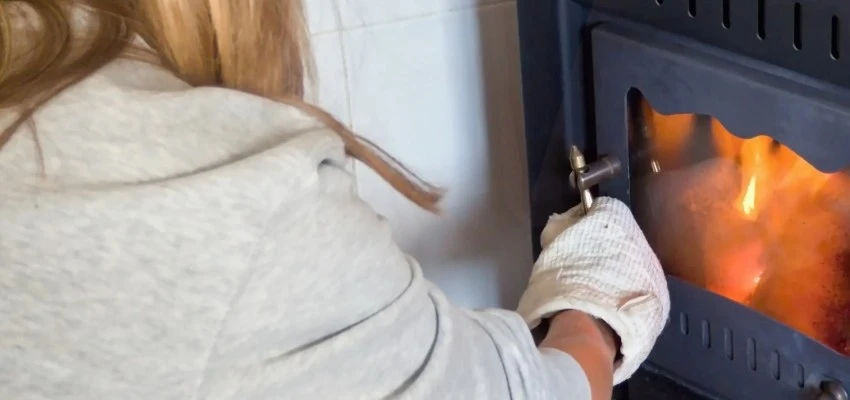
Yearly Gas Fireplace Maintenance in Abbotsford, before the cold arrives