Our crews hear the same questions on almost every roof and in almost every living room, so we wrote them down. If “chimney chase services” is what brought you here, you will find honest explanations of chimney chase repair for homes around Abbotsford, the kind a technician would give while pointing at the chimney itself. Some answers deal with safety, some with cost factors and timing, and a few simply explain how the parts of a chimney work together.
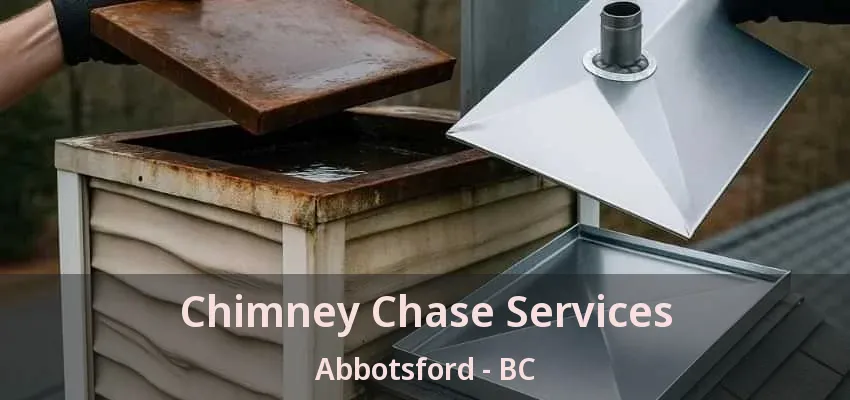
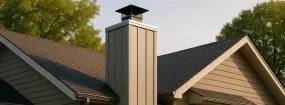
A chimney chase is the framed box, usually finished with siding, stucco or stone veneer, that encloses the metal flue of a factory-built fireplace or stove. Unlike a brick chimney, the chase does not carry the smoke; the insulated metal pipe inside does that. The chase hides and protects the pipe and makes it look like part of the house. At the top, a metal chase cover with an opening for the flue keeps rain out. Because it is built like an exterior wall, a chase needs the same care as siding and roofing, plus regular attention to that top cover.
Repairs matter because chimneys tend to fail slowly at first and then expensively. We regularly open up a chimney where a minor issue, such as a missing cap or one cracked mortar joint, was left alone for a few seasons. By then, water has soaked the bricks, rusted the damper or softened the wood framing beside the stack. Work at that stage takes longer and uses far more material. Catching the same fault early usually means a short visit and a modest bill. There is a safety side too, because a damaged flue or liner can let heat and smoke escape where nobody expects them.
Your chimney is most likely leaking at the crown, the flashing, the cap or through porous brick, though the stain rarely appears where the water gets in. Rain that slips past a cracked crown may travel down inside the masonry and show up at the firebox. Flashing leaks tend to stain the ceiling or the attic framing next to the chimney. An uncapped flue lets rain fall straight onto the damper, where it causes rust and a damp smell. Porous brick can wick moisture through the whole stack during long storms. We often test one area at a time with a hose, starting low and working up, so the repair targets the real entry point rather than a guess.
Often, yes. If the framing is still solid, damaged siding panels, trim boards and corner pieces can be replaced on their own, matched as closely as possible to the rest of the house. The key is fixing whatever let water in, usually the cover or collar at the top, and then checking the sheathing behind the damaged area. Where framing members have rotted through, those sections are rebuilt before new siding goes on. Heat shields and clearances around the factory-built flue must stay as the manufacturer intended. A good chimney chase repair plan describes each layer being replaced, not just the visible finish.
Replace a chase cover once rust, sagging or pooled water appear, because these covers fail from the middle out. A flat pan collects rain and snowmelt around the flue collar, the coating wears away and rust spreads until pinholes form, and from there water reaches the framing and the top of the firebox. When we replace one, we measure the chase precisely, order a cover made to size with built-in slope and a drip edge, and seal it to the flue with a storm collar. While the old cover is off, we also probe the framing at the top of the chase for soft wood, since rot there is common and easy to miss.
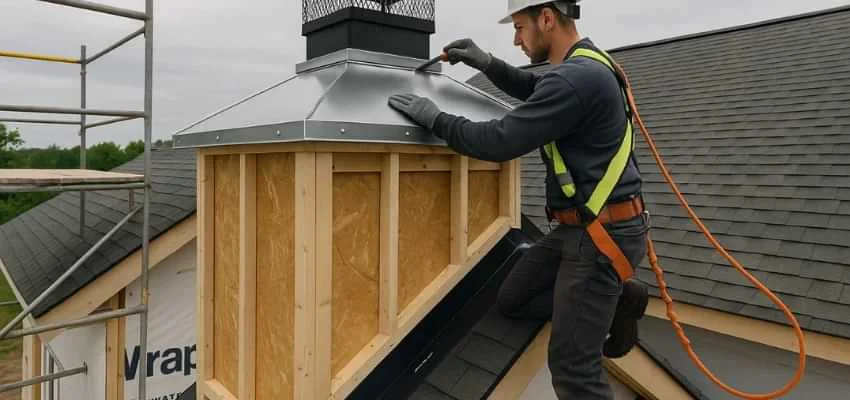
Not every repair needs the roof, and when one does, we plan safe access before we arrive. Work at the top of the stack means ladders, roof brackets or harnesses tied to a secure anchor, plus soft-soled footwear and pads to protect shingles. Steep or high roofs may call for extra equipment or a second technician. Wet, icy or very windy weather puts roof work on hold, because no repair is worth a fall. Jobs at the bottom of the chimney, such as an ash dump, a throat damper or a stove connection, keep us indoors, where the main concern is protecting floors and furniture from soot and dust.
Labor, access and materials drive the price, roughly in that order. Labor depends on the size of the repair and whether it can be finished in one visit or needs curing time between stages. Access covers roof height, pitch and anything that makes ladder setup awkward, such as a deck or steep slope below the chimney. Materials range from a tube of sealant to a custom stainless chase cover or a full liner kit. We also leave room in the conversation for surprises, because opening a chimney sometimes reveals more. Our quotes list each part of the work separately, so you can see where the money goes.
Yes, a reroof is an ideal time. Roofers remove the shingles and flashing around the base of the chase, so any soft sheathing or damaged framing there is exposed and easy to repair. It is also the moment to replace a tired chase cover, since crews and ladders are already on site. Coordinate with the roofing contractor so the chase is sealed and flashed before the new shingles are finished around it. If you are planning a reroof and searching for “chimney chase services”, ask both companies who will handle the flashing so nothing falls between the two jobs.
The repairs we make hold up longest when the rest of the chimney system is looked after too. That means a cap that stays in place with clear mesh, a crown kept free of leaves and moss, flashing left alone by anyone doing roof work and regular sweeping if you burn wood, because creosote and moisture attack the inside of the flue. We tell homeowners exactly how long to wait before the first fire after masonry work. After that, a glance at the chimney from the yard after big storms and a professional look once a year usually keeps surprises to a minimum.
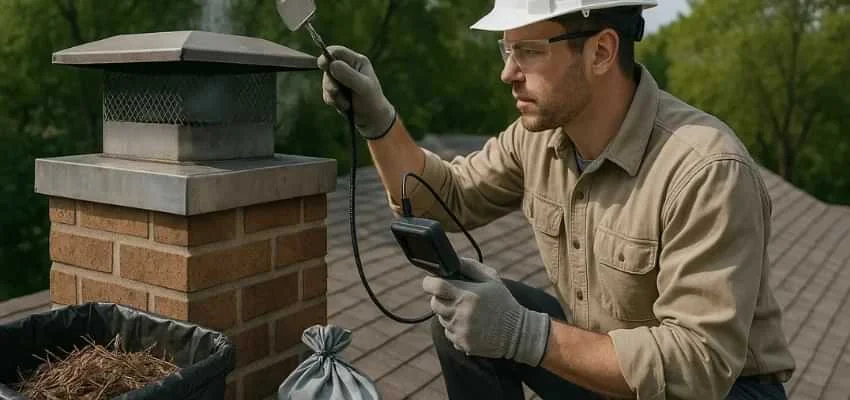
When the work is done, you should understand what was found, what was handled and whether anything needs attention later. That is how Chimney Sweep Abbotsford closes every job. Book your visit and leave with a clear picture of your chimney.
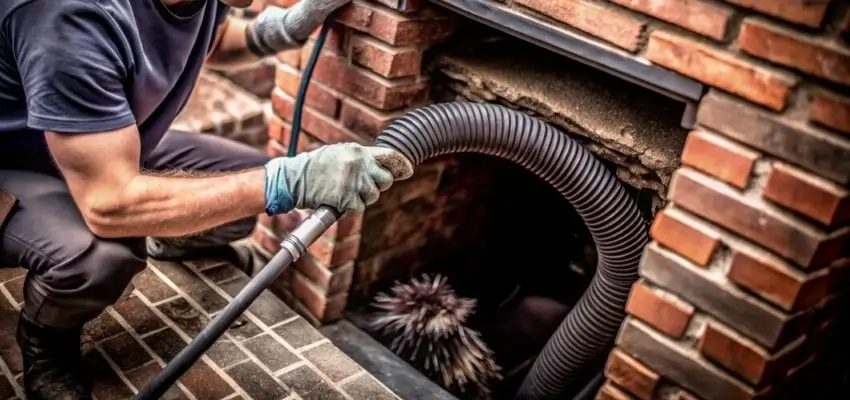
Flue last swept long ago? Chimney Cleaning in Abbotsford
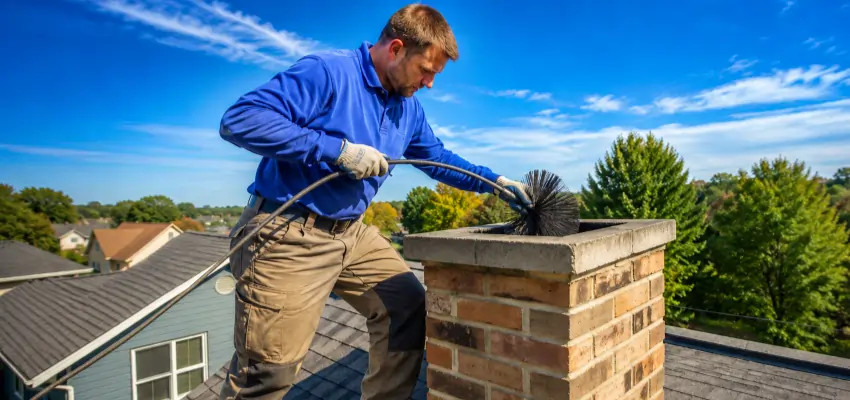
Creosote cleared, flue inspected: Chimney Sweep for Abbotsford
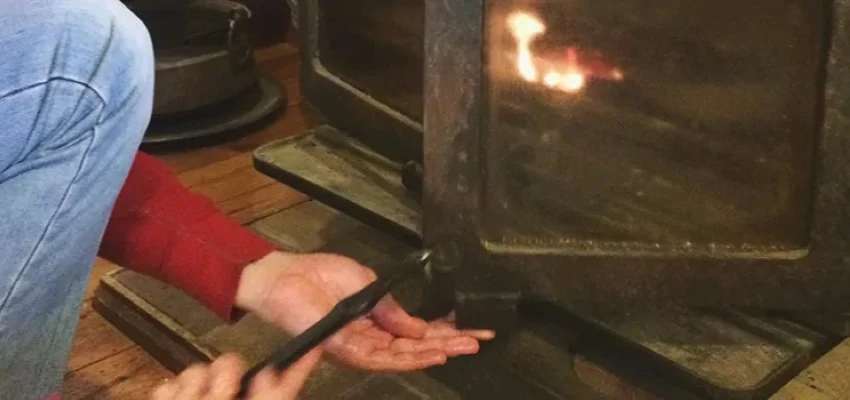
From roof cap to firebox, Chimney Sweep Services in Abbotsford
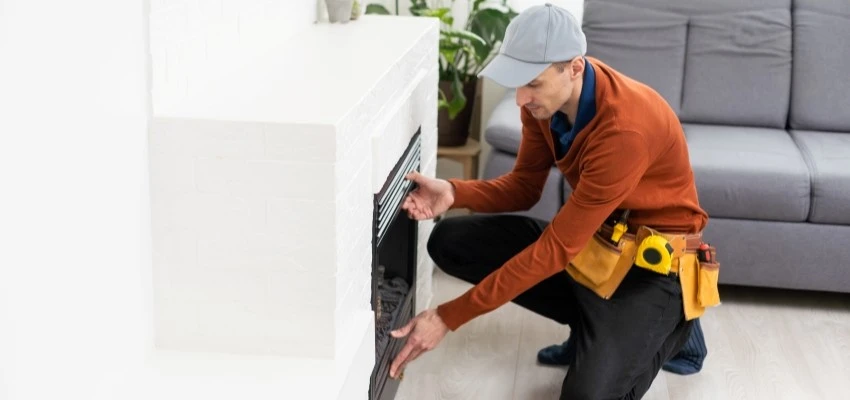
Ready for the season with Fireplace Experts in Abbotsford
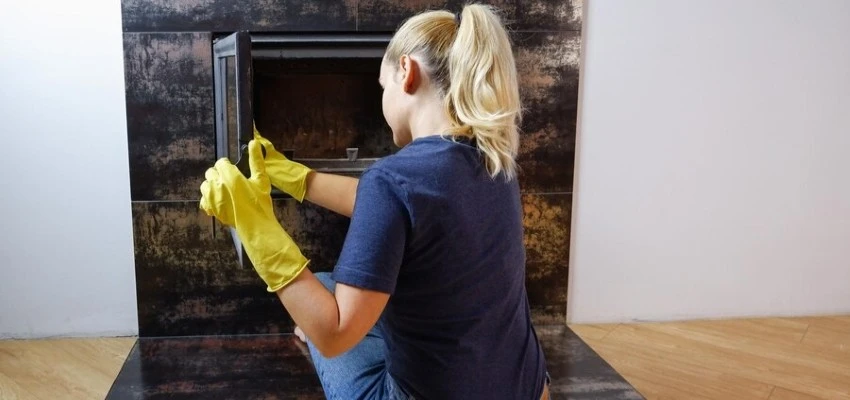
Control area vacuumed during Gas Fireplace Cleaning
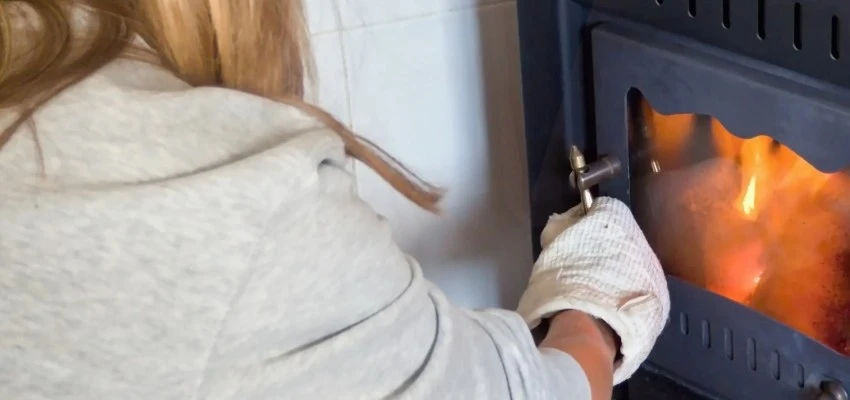
Yearly Gas Fireplace Maintenance in Abbotsford, before the cold arrives