Maybe you spotted a stain on the ceiling beside the fireplace, a few brick chips on the roof or a damper that will not budge. Small discoveries like these send many homeowners in Abbotsford looking up “chimney cap replacement” to find out how serious the problem really is. The answers below explain how chimney cap installation works, what tends to cause the damage in the first place and which details matter when you talk to a company about fixing it.

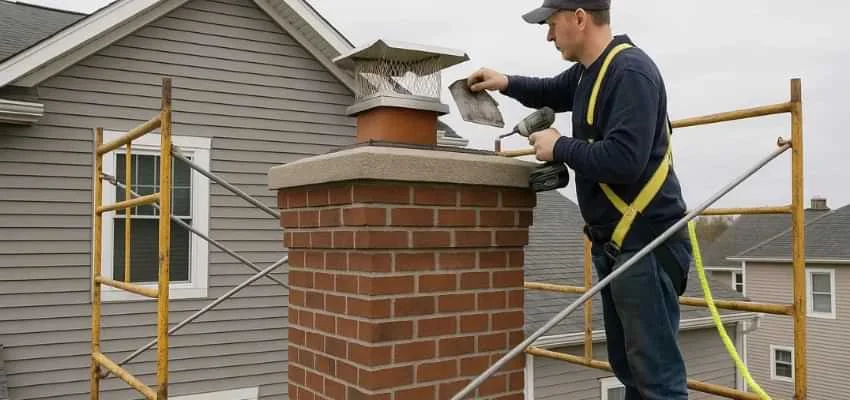
The crown protects the brick and the cap protects the flue, which is the simplest way to keep them straight. On the roof, the crown is the sloped top surface of the masonry, ideally with an overhang so water drips clear of the chimney walls. The cap is a metal hood with mesh sides, clamped or fastened over the opening. We check them separately, since one can fail while the other looks fine: we often find a shiny new cap sitting on a crown full of cracks. Both deserve attention, and fixing one never covers a problem with the other.
A chimney cap should be replaced when it is rusted through, bent, loose or missing pieces, or when its mesh is torn. Signs from inside the house include rain or debris falling into the firebox, birds or animals in the flue and a rusty damper. From the ground you may see a cap that sits crooked, rust streaks running down the crown or no cap at all after a windstorm. Galvanized caps tend to rust sooner than stainless steel or copper ones. A cap whose mesh is only clogged with soot may just need cleaning, but damaged metal should be replaced.
The most common signs show up as water, debris or poor performance. Watch for:
Outside, look for white staining on the bricks, gaps in mortar joints and a cap or flashing that looks loose. Any one of these is worth a closer look by someone who can reach the chimney safely.
It can let them into the chimney, and from there into the house in some cases. Birds, squirrels and raccoons use uncapped flues as shelter, and a damper left open or a gap in an old firebox can give them a route indoors. Signs include scratching or chirping in the chimney, nesting debris in the firebox and a strong smell. Do not light a fire to drive animals out. A wildlife service may be needed first, and then the cap can go on. People who search for “chimney cap replacement” after an animal visit should ask that the flue be checked for nests before the new cap is fitted.
The main choices are stainless steel, copper and galvanized steel, in single-flue or full-width designs, and we pick based on the chimney rather than the catalog. First we measure the flue tile or crown, count the flues and check whether the tile stands tall enough to clamp to. We also note what the chimney serves, since some stoves and gas appliances call for specific cap designs. Stainless is our everyday answer, copper suits homes where looks matter, and low-cost galvanized caps rarely last as long. Fitting means fastening the cap firmly, checking the mesh is clear and making sure it sits square.

Yes, some replacement caps combine the hood and screen with a top-sealing damper, a spring-loaded lid that shuts the flue at the top whenever the fireplace sits unused. A cable inside the firebox opens it before a fire is lit. One unit then keeps out rain, animals and cold drafts, which suits fireplaces whose old throat damper no longer seals. The flue tile has to be sound for the lid to close tightly, and this style does not suit every gas appliance. If you are pricing “chimney cap replacement”, ask whether a damper cap fits your fireplace and where the release cable would be anchored.
A common guideline is to have a chimney inspected once a year, and many homeowners schedule it before the colder months when the fireplace sees more use. Yearly checks catch small problems such as a loosening cap, a new crack in the crown or a worn mortar joint before they let water in. It also makes sense to have the chimney looked at after a major storm, a chimney fire, a roof replacement or any change of insert, stove or appliance. Chimneys that are rarely used still need checking, because weather damages them whether or not you light fires.
Preparing for chimney repair mostly means clearing access inside and out. Stop using the fireplace or stove at least a day before so the firebox and flue are cool, and move decorations, screens, tools and furniture away from the hearth. Outside, move vehicles, patio furniture, planters and grills away from the side of the house where ladders will go, and unlock any gates. Let the company know about pets, an alarm system or anything fragile near the chimney. If the job involves the attic or basement, such as tracing a leak or emptying an ash pit, clear a path there too.
Choose a chimney repair company that inspects before it quotes, explains the cause of the problem and shows you evidence such as photos. A good company will tell you what it plans to fix, what materials it will use and what the work will not cover. Ask whether its own crew does the work, how it protects your home and roof and how it handles hidden damage found mid-job. Read recent reviews for comments about communication and clean-up. Be cautious about anyone who wants a large rebuild without showing why, or who only offers to coat everything with sealant.
You can contact us just to ask whether a visit makes sense. If the answer is no, we will say so. If it is yes, we will explain why. Reach Chimney Sweep Abbotsford at (778) 909-5649 for an honest opinion about your chimney.
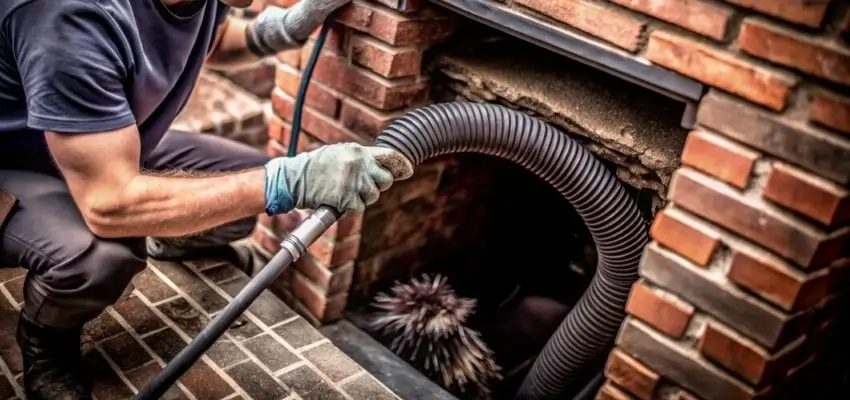
Flue last swept long ago? Chimney Cleaning in Abbotsford
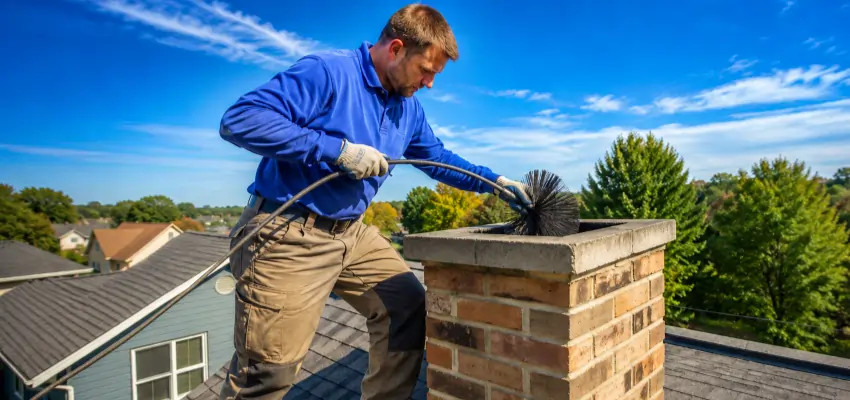
Creosote cleared, flue inspected: Chimney Sweep for Abbotsford
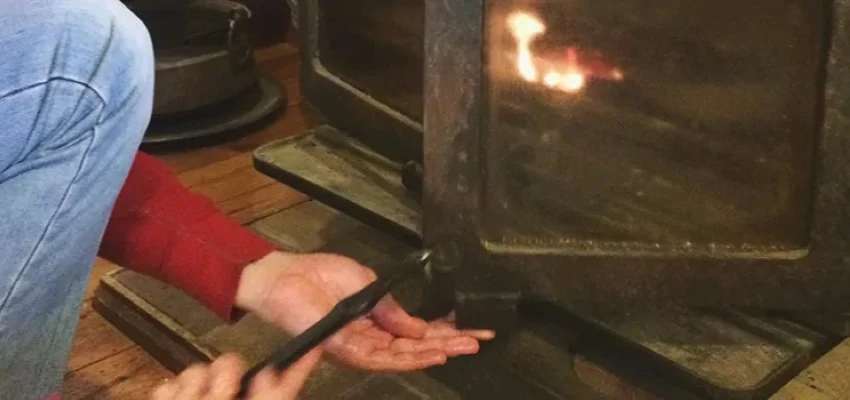
From roof cap to firebox, Chimney Sweep Services in Abbotsford
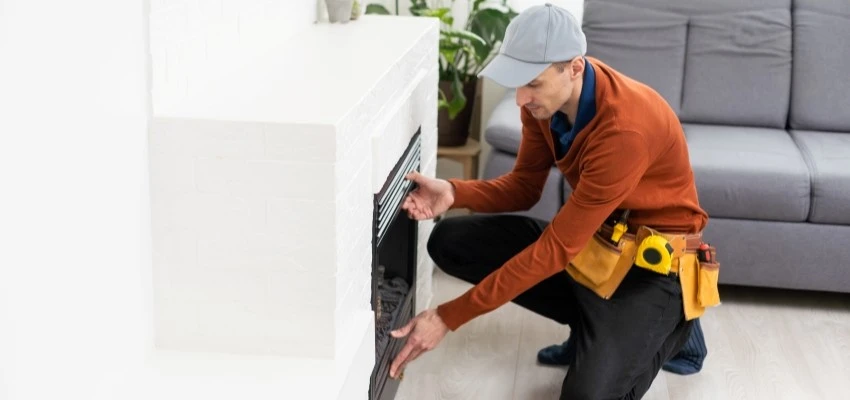
Ready for the season with Fireplace Experts in Abbotsford
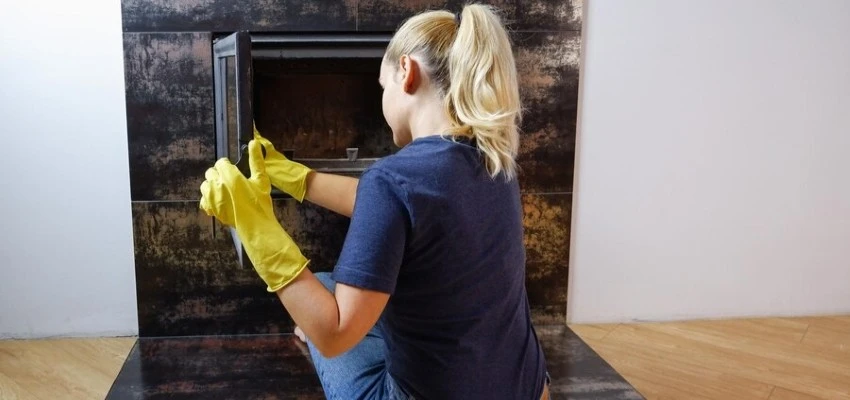
Control area vacuumed during Gas Fireplace Cleaning
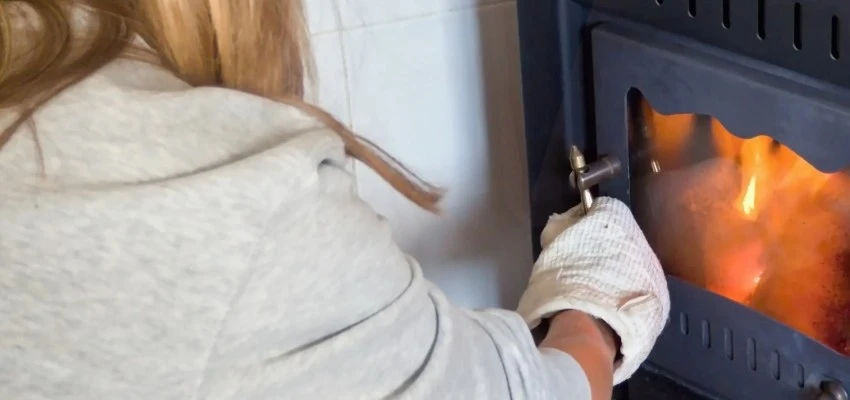
Yearly Gas Fireplace Maintenance in Abbotsford, before the cold arrives