Plenty of people only think about their chimney when the first cool evening arrives and they want a fire. Others notice a problem in spring after a wet stretch of weather. Either way, a search for “chimney ash dump services” usually starts with a simple question: does this need fixing now? Here you will find practical answers about ash dump service for homes in Abbotsford, including what the work involves, how long it takes and how to keep the chimney sound afterward.

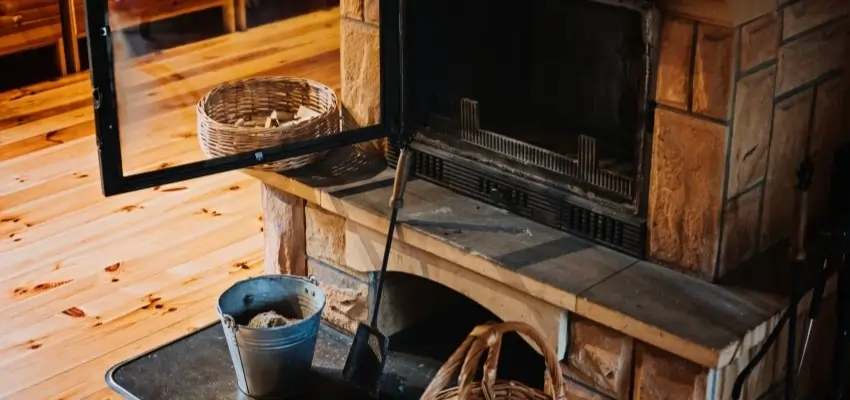
An ash dump is a small metal door set into the floor of a masonry firebox. When the ashes have cooled completely, you sweep them through the opening and they drop into an ash pit, a hollow space built into the base of the chimney. The pit is emptied through a cleanout door, usually in the basement or on the outside of the chimney near the ground. It saves carrying ash through the house. The dump door should sit flat and close fully, and the cleanout door should seal, otherwise drafts, water or small animals can find their way in.
Stains, debris and stiff moving parts inside the house are usually the first signs, long before anything looks wrong from the yard. A water mark on the ceiling beside the chimney, a musty smell when it rains, flakes of tile or mortar in the firebox and a damper that has gone stiff all point to something above. Outside, white chalky deposits on brick tell us water is moving through the masonry, and dark streaks below the cap or chase cover suggest rust. Smoke that hangs at the fireplace opening points to a draft problem. We trace each clue back to its source before suggesting any repair.
Water in an ash pit usually means the chimney above is letting rain in, often through a missing cap, a cracked crown or failing flashing, and the moisture can rust the doors and turn the ash heavy and sour-smelling. Droppings, nesting material or scratching sounds suggest a cleanout door that no longer closes tightly or a gap in the masonry near the ground. Either finding is a reason to look beyond the pit itself. During ash dump service, the technician should trace the source, not just shovel out the mess, so the problem does not return within a season.
Yes, in most fireplaces. Ash dump doors come in several common sizes, usually cast iron, and many have a pivoting lid that sits in a frame set into the firebox floor. If only the lid is missing or bent, a matching lid can often drop into the existing frame. If the frame itself is cracked or loose, it is chipped out and a new one is set in refractory mortar. The cleanout door at the bottom of the pit can be replaced the same way. Homeowners searching for “chimney ash dump services” can speed things up by measuring the opening or sending a photo.
It depends on the part being repaired. Caps, crowns, flashing, upper masonry, chase covers, chimney fans and top-sealing dampers are reached from the roof or from ladders set against the chimney. Throat dampers, fireboxes, ash dumps, cleanout doors and many vent connections are handled from inside the house or at ground level. Roof work is planned around the weather, the pitch of the roof and safe ladder placement. Homeowners should not climb up to inspect or repair a chimney themselves; binoculars from the yard or the technician’s photos will tell you what you need to know.
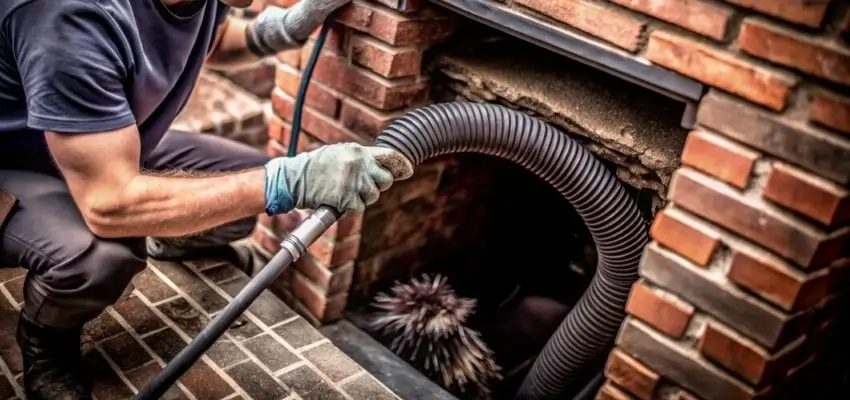
A chimney repair visit normally starts with an inspection to confirm the problem and check for anything related. The technician protects the area around the fireplace and, for exterior work, sets up ladders or roof anchors. Then the damaged part is removed or prepared, whether that means grinding out mortar, cutting away old sealant, unbolting a cap or opening a damper assembly. New materials go in, and the work is checked for fit and weathertightness. At the end you should see the finished work or photos of it and hear about anything else that turned up along the way.
Small chimney repairs, such as replacing a cap, sealing a crown or freeing a damper, often take a few hours. Mid-sized jobs like new flashing, a new chase cover or a fan installation usually fit into a day. Larger masonry work, including repointing an entire stack or rebuilding the section above the roof, can take several days, because mortar and concrete need time to set between stages. Weather adds to the schedule for anything done outside, since rain and cold delay masonry. Ask for an estimate of both working time and total calendar time before the job is booked.
Cold ashes, a metal can and a pit that never fills to the top are the three rules we give every homeowner with an ash dump. Embers buried in an ash pile can stay hot far longer than people expect, so waiting several days before sweeping ash down is sensible. How often the pit needs emptying depends on how much you burn; a heavy wood user may need to clear it once or twice a season, while a light user can go longer. When we service an ash dump, we free the doors, check the cleanout for rust and look for water in the pit.
A few direct questions reveal a lot about a chimney repair contractor:
Clear, specific answers are a good sign. If the replies stay vague or the price changes without explanation, it is reasonable to get another opinion before agreeing to the work.
Every home is a little different, so your situation may raise a question that is not on this page. Call us at (778) 909-5649 and describe what you have noticed. We can talk through the options for your chimney and set up a visit anywhere around Abbotsford if it makes sense.
Flue last swept long ago? Chimney Cleaning in Abbotsford

Creosote cleared, flue inspected: Chimney Sweep for Abbotsford
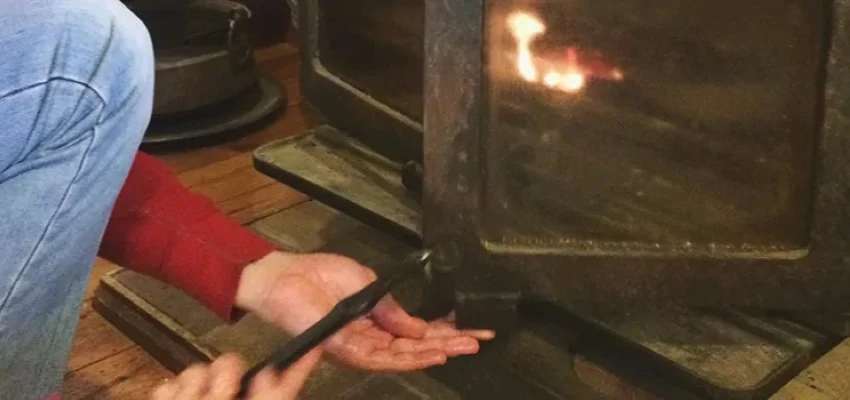
From roof cap to firebox, Chimney Sweep Services in Abbotsford
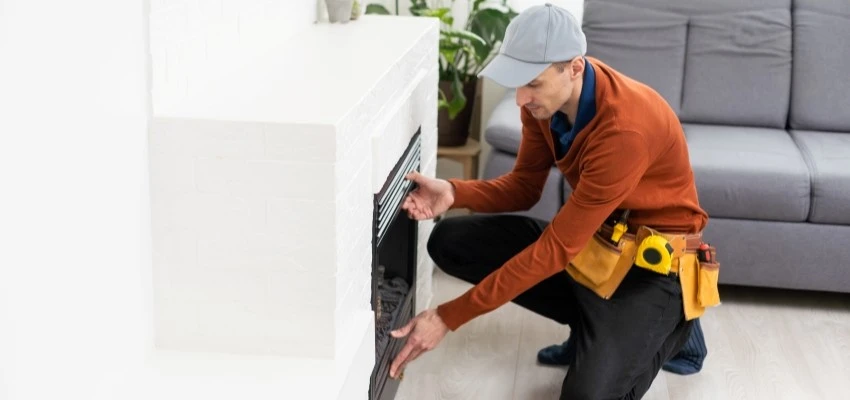
Ready for the season with Fireplace Experts in Abbotsford
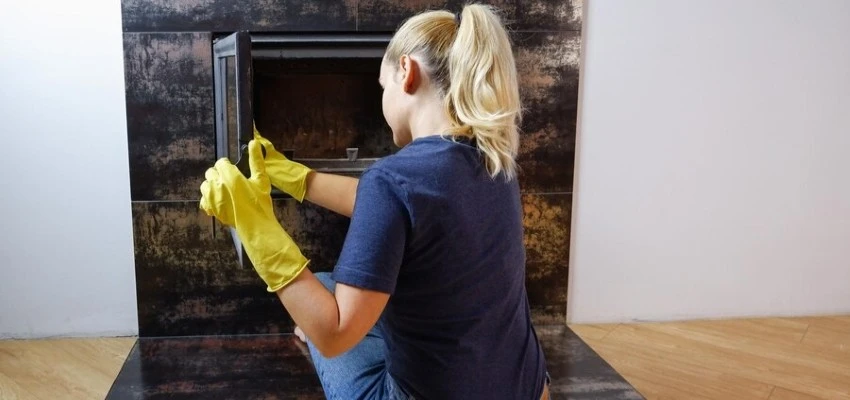
Control area vacuumed during Gas Fireplace Cleaning
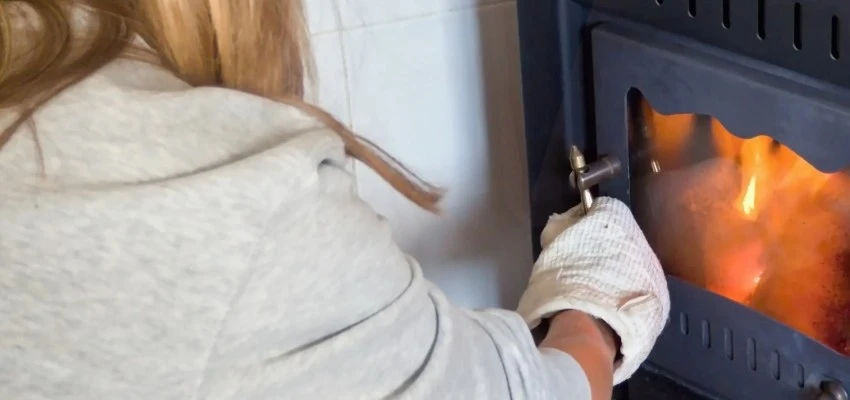
Yearly Gas Fireplace Maintenance in Abbotsford, before the cold arrives