The first cool evening of the season is when many people remember the chimney and start wondering what state it is in. If you searched for “chimney animal removal”, you probably want clear facts before anyone climbs onto the roof. This page answers the questions owners around Abbotsford ask most often about chimney wildlife removal, in plain language and without scare tactics. Read the parts that match your situation, skip the rest and come away knowing what is normal, what deserves a closer look and what can safely wait.

Creosote is condensed wood smoke, and its flammability is the main reason chimney sweeping exists. Smoke carries unburned particles and vapor, and when it meets a cooler surface those compounds stick. We find the heaviest deposits where gases slow down or lose heat quickly: the smoke chamber just above the damper, the bends in a stovepipe and the upper section of chimneys built on an exterior wall. That residue is fuel sitting inside a passage built to carry fire, so a spark or an overloaded firebox can ignite it. That is why we gauge its thickness on every visit and explain what it means for you.
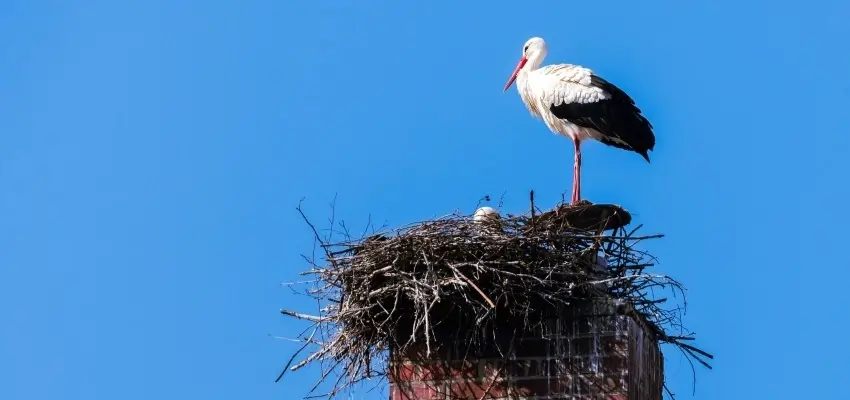
Wildlife can wreck dampers, caps and liners as well as block the flue, and the damage we find after a long-term visitor is often worse than owners expect. Raccoons are strong enough to bend damper blades, rip out the insulation around a factory-built flue and pull mortar from a deteriorating smoke chamber while building a den. Birds pack sticks so tightly that a flue closes almost completely. Squirrels chew at whatever they can reach while trying to escape. Then there is what animals leave behind: droppings, wet nesting material and sometimes the animal itself, all of which soak into porous masonry. A camera check after removal shows us whether any of that needs repair.
Smoke comes back into the room when the chimney cannot pull it upward fast enough, and the usual causes are a cold flue, a partly closed damper or a house that is short of air. Make sure the damper is fully open and start with a small, hot kindling fire so the flue warms gradually. Kitchen and bathroom fans can draw air down the chimney, so switch them off and open a nearby window slightly. Wet wood produces heavy smoke too. If smoke still spills in after those changes, a blockage or a problem with the chimney itself needs a professional look.
Animals are removed humanely by giving them a safe way out rather than forcing them, and by keeping mothers and their young together. Depending on the animal, that may mean waiting until young birds have left the nest, fitting a one-way exit at the top so a squirrel or raccoon can leave but not return, or carefully lifting out a trapped animal and releasing it outdoors. Never light a fire or burn anything to drive an animal out, since it can trap the animal, ignite the nest and fill the house with smoke. Once the chimney is empty, the nesting material is cleared and a cap goes on.
About an hour covers a typical single flue; when a visit runs longer, the chimney is almost always the reason. Laying drop cloths, setting up the vacuum, sweeping, cleaning the smoke chamber and packing up form the core. A wood stove or insert adds time because pipes and baffles come apart. Steep or slippery roofs slow everything down, since roof safety is not something we rush. Heavy creosote or a camera inspection add more. When we book, a few questions about the appliance and the roof let us give you an arrival time and an honest estimate of how long we will need.
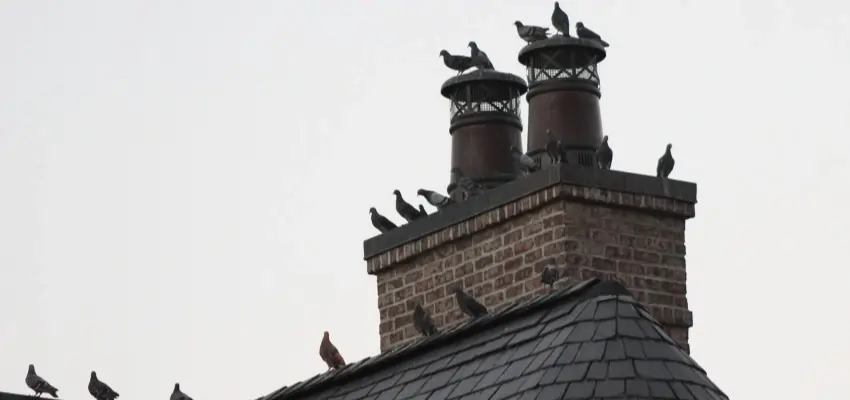
Spring is nesting season, so many animals start looking for safe, sheltered spots just as fireplaces go quiet. Raccoon mothers search for dens before giving birth, birds return and begin building, and squirrels raise their first litters. An uncapped chimney that has sat unused for a few weeks looks ideal to all of them. That timing makes late winter a smart moment to check that your cap is intact and fastened. If you already hear activity, booking chimney wildlife removal early in the season gives you more options than holding off until the young are larger and louder.
A cold firebox and a bare hearth help us more than anything else. Clear a few feet of floor for the vacuum and drop cloths, and lift screens and ornaments off the hearth itself. Warm ash is the most common reason a job starts late, since we cannot clean safely until it has cooled. Outside, we need a stable spot near the chimney for the ladder, so mention soft ground, flower beds or a deck that might be in the way. Tell us about alarm systems, a dog that dislikes visitors or a roof that is easier to reach from the back. Those small details save time on the day.
Keeping animals out comes down to closing the openings they use, and the top of the flue is the big one. After a removal, we fit or repair a cap with mesh fine enough to stop birds yet open enough not to clog with soot. Multi-flue chimneys may need one cover over the whole crown. We also look for second routes: gaps where the crown meets the flue, loose flashing or a damaged chase cover on a metal chimney. Squirrels and raccoons are persistent, so a cap held on by a single loose screw will not last. Solid fastening matters as much as the mesh itself.
For most chimney animal problems, a chimney company is a sensible first call, because the work involves the flue, damper and cap as much as the animal. Many chimney technicians handle trapped birds and squirrels and clear nests themselves, and they can fit a proper cap afterward. Some situations, such as a raccoon family or bats, may be passed to a wildlife specialist or handled together with one. Ask during your “chimney animal removal” inquiry who will do which part, how the animal will be handled and whether the chimney will be swept and capped before the job is closed.
Some decisions are easier once a person explains them in plain words. A technician from Chimney Sweep Abbotsford can look at your chimney, point out what matters and skip what does not. Ask for a visit and pick a time that works for your household in Abbotsford.
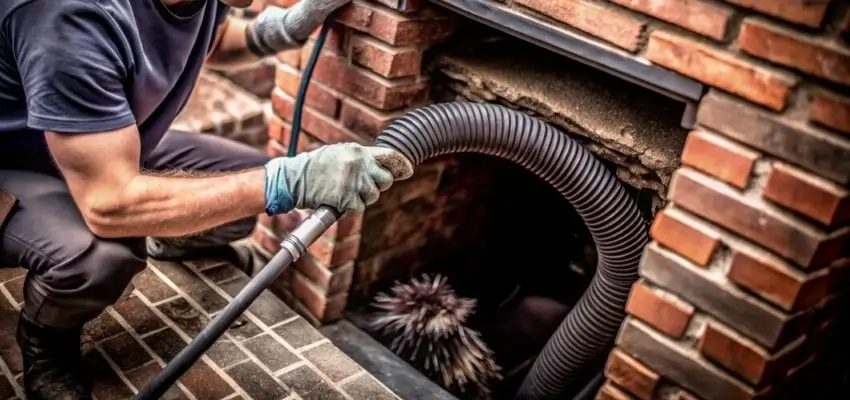
Flue last swept long ago? Chimney Cleaning in Abbotsford
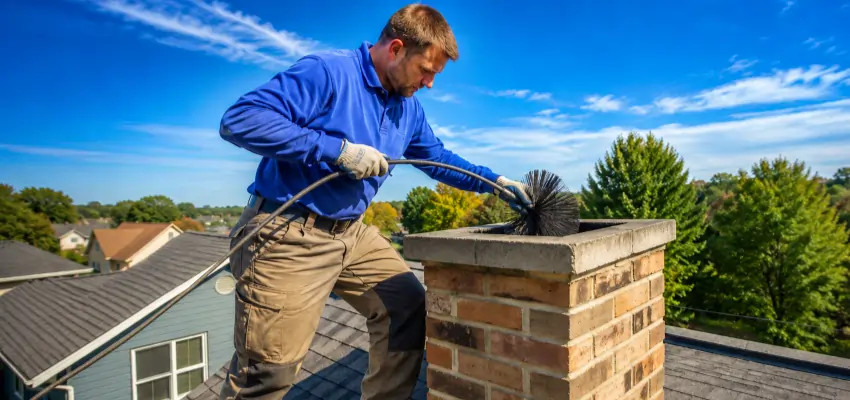
Creosote cleared, flue inspected: Chimney Sweep for Abbotsford
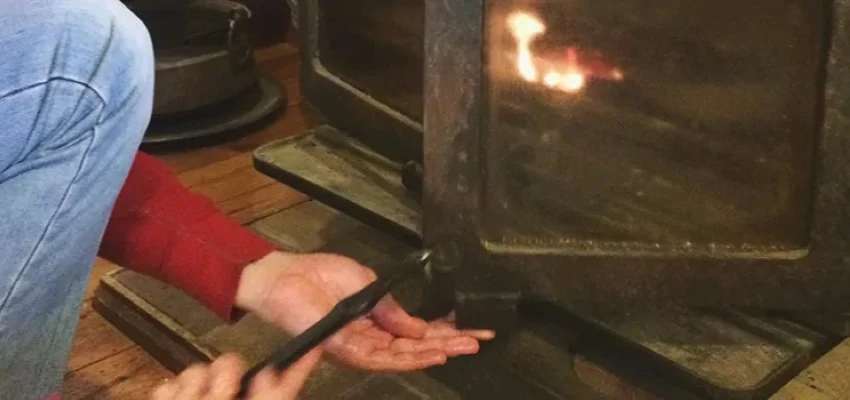
From roof cap to firebox, Chimney Sweep Services in Abbotsford
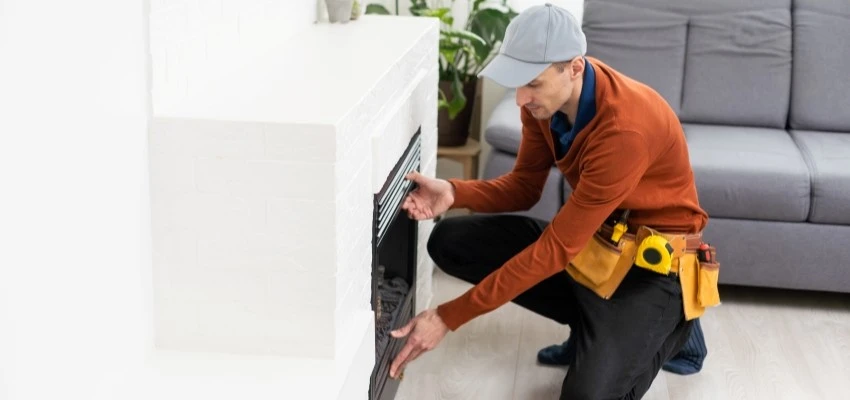
Ready for the season with Fireplace Experts in Abbotsford
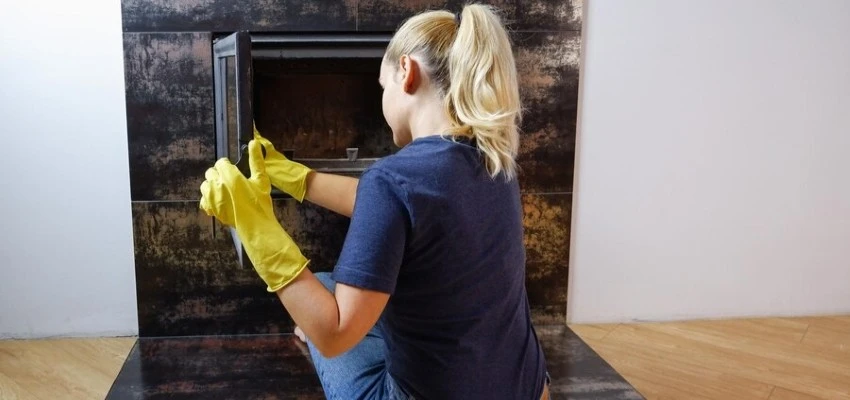
Control area vacuumed during Gas Fireplace Cleaning
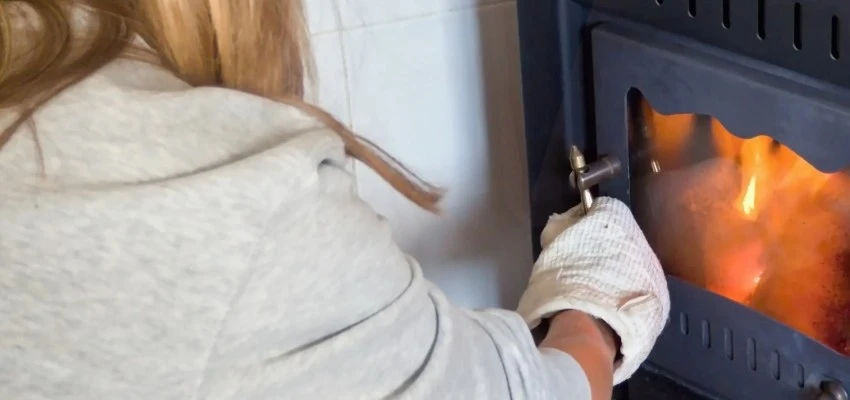
Yearly Gas Fireplace Maintenance in Abbotsford, before the cold arrives